Lionfish Contract
U.S. Navy Awards HII Option Year Contract for Lionfish Unmanned Undersea Vehicle Production
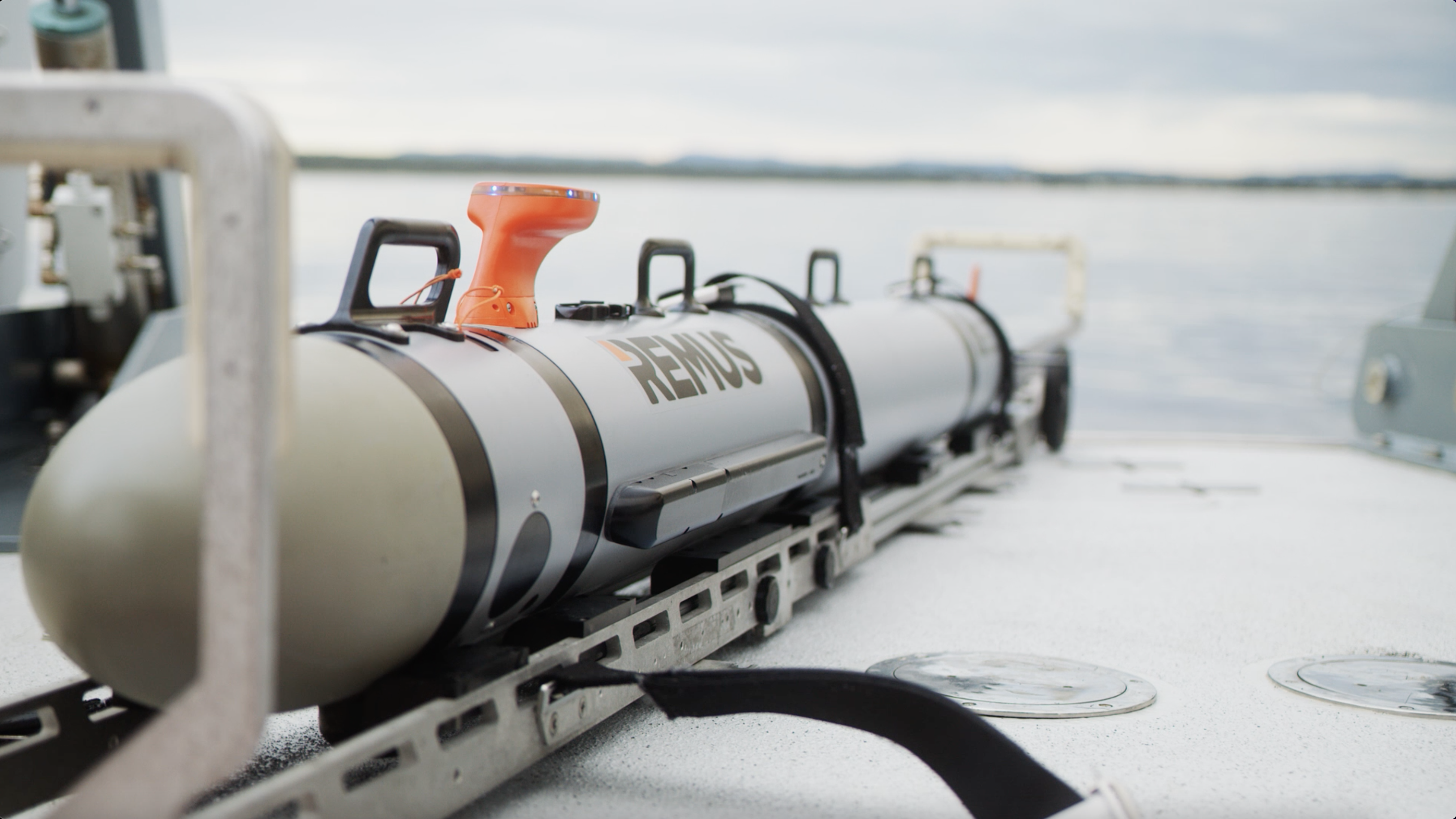
HII has been awarded an option year production contract to build Lionfish small unmanned undersea vehicles for the U.S. Navy, according to GlobeNewswire. The five-year program could produce up to 200 vehicles, with a total contract value exceeding $347 million.
The Lionfish is based on HII's commercial REMUS 300 platform — a compact, underwater drone used for missions like reconnaissance and mine detection. The Navy's decision to exercise this option year signals strong confidence in the vehicle's performance and reliability, GlobeNewswire reported.
What the Lionfish Vehicle Does Underwater
The Lionfish is a small unmanned undersea vehicle, or SUUV. That means it operates underwater without a crew. It can carry out missions that are too dangerous or difficult for humans. Common tasks include surveillance, mine hunting, and underwater mapping.
The vehicle is built on HII's REMUS 300 platform. REMUS stands for Remote Environmental Monitoring Units. HII has delivered over 700 REMUS vehicles to more than 30 countries, according to GlobeNewswire. That includes 14 NATO member nations.
A $347 Million Program That Could Grow to 200 Vehicles
The contract is structured as a five-year deal with multiple option years. The Navy can choose to exercise each option as the program progresses. If all options are exercised, HII could deliver up to 200 Lionfish vehicles. The full contract value could exceed $347 million, GlobeNewswire reported.
This option year award means the Navy has already seen enough from HII to keep the program moving forward. Option year contracts are a way for the military to test a supplier before committing to the full order. Exercising this option is a strong sign of approval.
HII's Proven Track Record in Unmanned Maritime Systems
HII describes itself as a global leader in autonomous unmanned maritime systems. The company is headquartered in Pocasset, Massachusetts. It has built a large portfolio of underwater drone technology over several decades.
Delivering over 700 REMUS vehicles to more than 30 countries gives HII a significant edge in this market. Having 14 NATO allies as customers also adds credibility for U.S. defense contracts. The Navy's continued investment in the Lionfish program reflects how central underwater drones are becoming to modern naval strategy.
Why the Navy Is Betting Big on Small Underwater Drones
Small unmanned undersea vehicles cost far less than crewed submarines. They can be deployed quickly and in large numbers. A fleet of 200 Lionfish vehicles could cover vast underwater areas at once. That kind of scale is hard to match with traditional naval assets.
The U.S. Navy has been expanding its unmanned systems programs across air, surface, and underwater domains. The Lionfish contract fits into a broader push to modernize the fleet with autonomous technology. With adversaries like China and Russia investing heavily in submarine capabilities, underwater drones are now a key part of U.S. naval competition, according to Yahoo Finance.
Sentiment
NeutralPublishers
6
Articles
6
Reach
6


