Colonoscopy for Prevention
Colonoscopies Can Prevent Colorectal Cancer: Preparation and Process Details Amid Rising Cases in Younger Adults
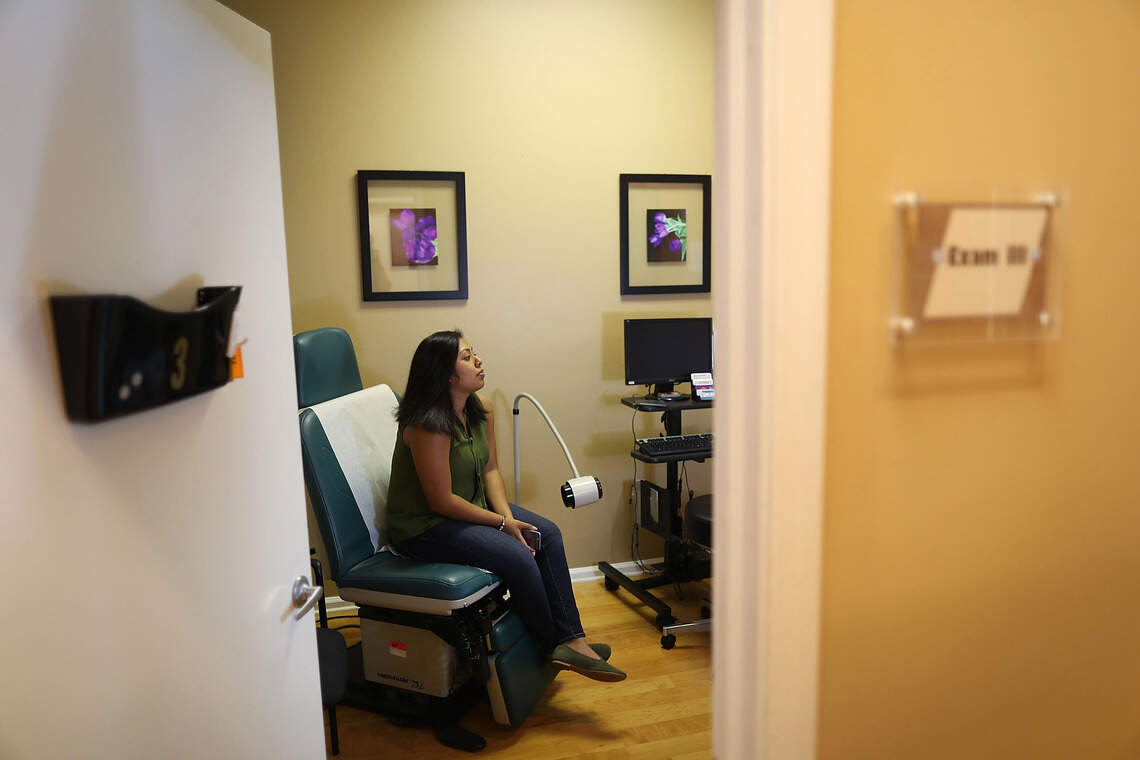
Colorectal cancer is rising in younger adults, and doctors are now telling more people to get a colonoscopy earlier than they planned. Charlotte Observer reports that the exam involves a doctor inserting a thin tube with a tiny camera into the colon and rectum to look for polyps, inflammation, bleeding, ulcers, and color changes. Most patients are sedated, so they feel little to no discomfort during the procedure.
The screening does more than just detect cancer — it can prevent it. Doctors can remove polyps, which are small growths, during the same exam before they turn into cancer. That makes a colonoscopy one of the most powerful tools available for colorectal cancer prevention.
Low-Fiber Diet Starts Three to Five Days Before
Preparation begins well before the procedure. According to Kansas City Star, most patients start a low-fiber diet three to five days before the exam. This helps clear the colon so the doctor can see clearly during the screening.
Foods to avoid include granola, nuts, seeds, whole-grain bread, and brown rice. You should also skip fruits and vegetables that have skin or seeds. These high-fiber foods leave residue in the colon that is hard to flush out, which can block the doctor's view.
Clear Liquids Only the Day Before the Exam
The day before the colonoscopy, patients switch to clear liquids only. Sacramento Bee notes this step is critical for emptying the colon completely. Approved options include water, clear broth, plain gelatin, and some sports drinks.
One key warning: avoid anything red, blue, or purple. Fresno Bee explains that these colors can linger in the colon and look like blood to the examining doctor. That could lead to a false concern or a repeat procedure. Stick to clear or light yellow options to be safe.
Blood Thinners Require a Special Conversation With Your Doctor
Patients who take blood thinners need to plan ahead. Star-Telegram reports that the decision to stop blood thinners before a colonoscopy should come from the doctor who prescribed them — not the doctor doing the procedure. This is an important distinction many patients miss.
Stopping blood thinners too soon or at the wrong time can create serious health risks. Every patient's situation is different. Talk to your prescribing doctor early, at least one week before the scheduled exam, to get clear guidance on what to do.
Recovery Is Typically Fast and Straightforward
Most people recover quickly after a colonoscopy. Because of the sedation, patients need a friend or family member to drive them home. Sun Herald notes that some mild bloating or gas is normal after the exam, since air is pumped into the colon during the procedure to give the doctor a better view.
Most patients return to a normal diet and routine the same day or the day after. If the doctor removed any polyps, they may recommend a softer diet for a short time. Results are usually shared right after the procedure, though biopsy results can take a few days to come back.
Sentiment
NeutralPublishers
12
Articles
11
Reach
12


