Moon Crater Revealed
NASA Reveals New Images of Moon Crater Caused by SpaceX Rocket Impact
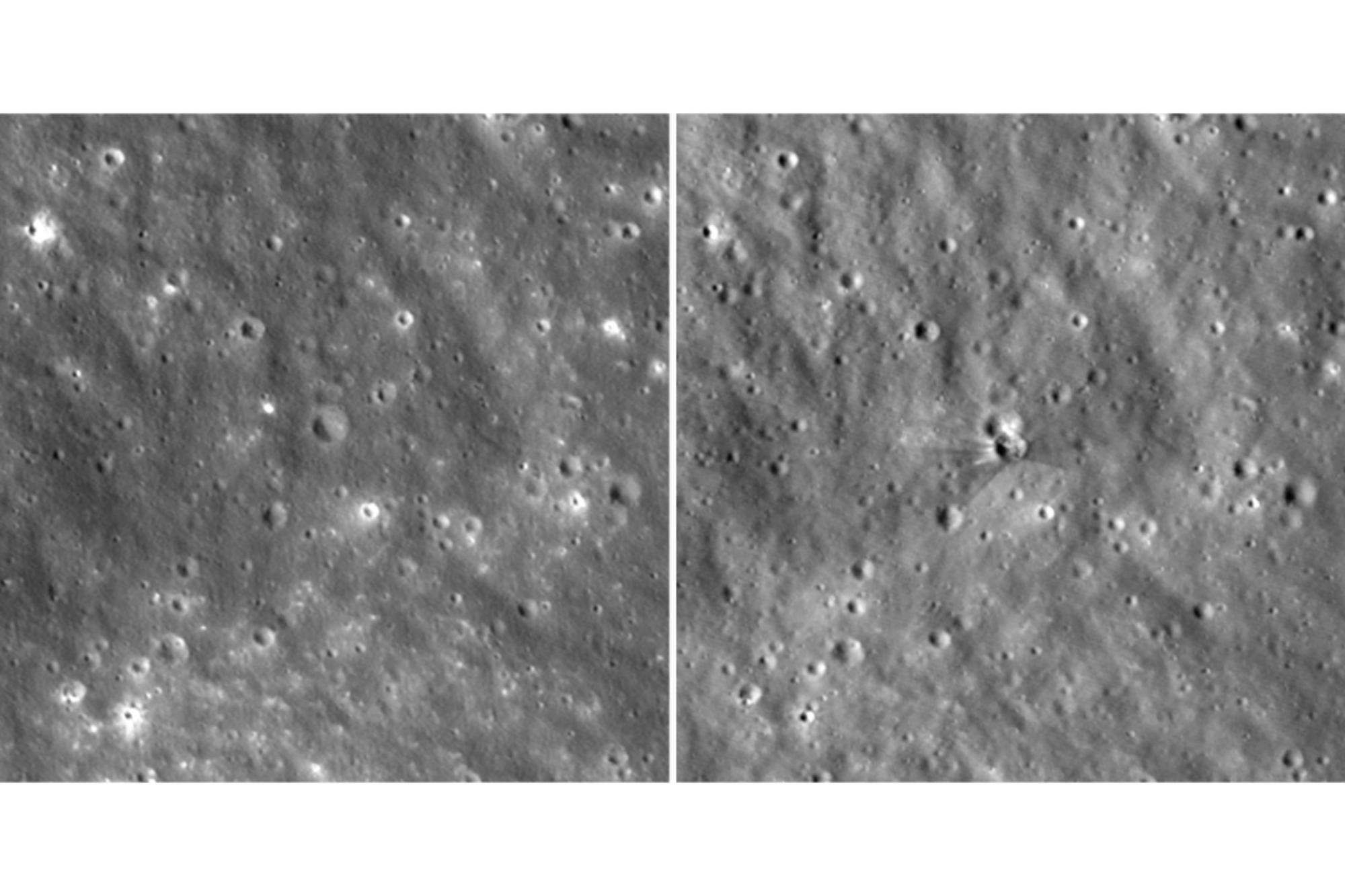
NASA has released striking before-and-after photos showing the crater left by a SpaceX Falcon rocket that slammed into the moon on Aug. 5. According to Trentonian, the crater is roughly 60 feet across and less than 10 feet deep — a scar carved at an impact speed of about 5,400 mph.
The images were captured by NASA's Lunar Reconnaissance Orbiter, a spacecraft that has circled the moon since 2009. Sun Sentinel reports the orbiter is now providing the sharpest views yet of the crash site, giving scientists a close-up look at what happens when human-made debris hits the lunar surface.
A Rogue Rocket Adrift for Over a Year
The Falcon rocket's upper stage did not crash right away. It drifted through space for more than a year before gravity finally pulled it toward the moon. Upper stages are the top sections of rockets that help push payloads into orbit. Once their job is done, they are often left in space with no way to steer them home.
This particular piece of debris had no controlled landing plan. It circled erratically until its path crossed the moon's surface. San Diego Union-Tribune noted the crash happened on Aug. 5, with the rocket hitting at roughly 5,400 mph — fast enough to gouge a visible hole into the lunar ground.
NASA's Orbiter Snaps the Sharpest Views Yet
NASA's Lunar Reconnaissance Orbiter has been circling the moon since 2009. Its job is to map the surface in fine detail. When the SpaceX rocket hit, scientists already had clear images of that part of the moon — making a direct before-and-after comparison possible.
Twin Cities reported that the orbiter is providing the sharpest views yet of the new crater. The images clearly show a dark depression where the impact occurred. Scientists can use the size and shape of the crater to learn more about the moon's surface material and how it responds to high-speed collisions.
Space Junk Problem Gets a Moonlit Close-Up
This crash shines a light on a growing problem: space junk. Old rocket parts, broken satellites, and other debris circle Earth and beyond with no one controlling them. When they hit something, there is often no warning. This rocket piece wandered for over a year before anyone knew exactly where it would land.
The moon has no atmosphere to burn up incoming objects, so even small pieces can leave lasting marks. The 60-foot crater is a clear example. News Herald noted that NASA is studying the site closely as part of its broader effort to return astronauts to the lunar surface — making knowledge of impact risks more important than ever.
Moon Mapping Supports Future Astronaut Missions
NASA's interest in this crater goes beyond curiosity. The agency is actively working to send astronauts back to the moon under its Artemis program. Understanding the lunar surface — including how it gets damaged by impacts — is key to keeping future crews safe.
Citizens Voice reported that the Lunar Reconnaissance Orbiter has been gathering detailed surface data since 2009. That long record makes events like this rocket crash especially useful. Scientists now have a real-world data point showing exactly what a 5,400 mph impact does to the moon's soil and rock.
Sentiment
NeutralPublishers
6
Articles
6
Reach
6


