Starship Recovery Milestone
SpaceX Successfully Recovers Starship Ship 40 from Ocean Near Christmas Island, Marking Major Reusability Milestone
Key Points
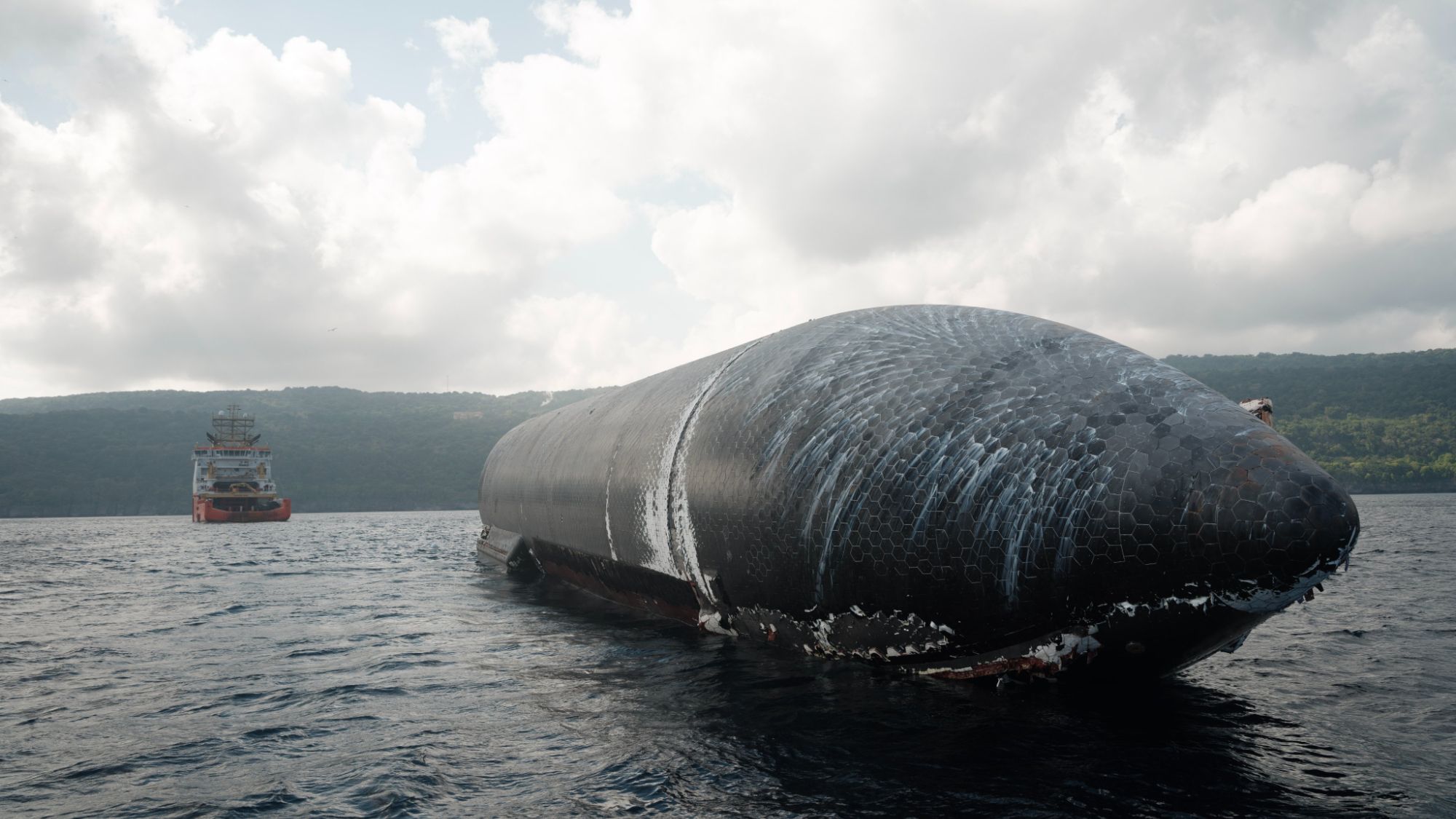
Ship 40 is about 171 feet tall (52 meters) and marked SpaceX's first Starship to survive an intact ocean splashdown, representing a milestone for the Version 3 design and the ongoing test sequence following Flight 12 and Ship 39 incidents.
The recovery operation lasted roughly 24 days and moved from rough seas to calmer waters off Christmas Island as engineers prepared to inspect the vehicle before any return to Starbase Texas.
Towing the Starship from the Indian Ocean toward shore proceeded at an exceptionally slow pace, with vessels making just about one knot, underscoring the challenging sea conditions.
Christmas Island’s environment provided a cinematic backdrop to the recovery, with the island known for millions of red crabs that migrate to the sea to spawn, adding natural-world context to the operation.
Elon Musk acknowledged the recovery publicly on X during the operation, saying the effort was 'not looking good' at one point, highlighting the high-profile nature and uncertainties of the process.
SpaceX has towed its Starship prototype, Ship 40, to Christmas Island in the Indian Ocean after a grueling 24-day recovery operation — the first time a Starship survived an intact ocean splashdown, according to Space.com. The 171-foot (52-meter) spacecraft is now in calmer waters where engineers will inspect it before any attempt to bring it back to Starbase, Texas.
The milestone marks a turning point for SpaceX's Starship program. Unlike Ship 39, which was lost after Flight 12, Ship 40 came through its splashdown in one piece — a key step toward the full reusability SpaceX needs to support NASA's Artemis moon program and future launches from Florida, Ars Technica reported.
24 Days at Sea Before Christmas Island Arrival
Ship 40 splashed down in the Indian Ocean on July 24. For over three weeks, it bobbed in rough seas while SpaceX recovery teams struggled to reach it. Elon Musk acknowledged the difficulty publicly on X, saying at one point the effort was "not looking good." The sea conditions were so harsh that tow vessels moved at just about one knot — barely faster than a brisk walk, Starlust reported.
Eventually, crews hauled the giant spacecraft into calmer waters near Christmas Island. Space.com reported that engineers will now inspect Ship 40 up close before deciding how and when to ship it back to Starbase. The entire recovery effort lasted roughly 24 days — an unusually long and complex salvage operation for any spacecraft.
Australia Coordinated the Whole Recovery Operation
The Australian Space Agency played a central role in the recovery. Australian authorities worked with SpaceX and the federal government to stage the operation from Christmas Island, an Australian territory in the Indian Ocean. The island's location made it a practical base for remote recovery work, Ars Technica noted.
Locals on Christmas Island watched the operation unfold under an exclusion zone set around the craft. Photographers and observers documented the event, capturing the sheer scale of the vehicle up close. Christmas Island added an unexpected backdrop to the story — the island is famous for millions of red crabs that migrate to the sea to spawn each year, according to Head Topics.
Ship 40's Intact Splashdown Sets It Apart From Ship 39
Ship 40 flew on Starship Flight 13 and became the first Version 3 Starship to survive an ocean landing in one piece. That is a big deal. Ship 39, which flew on Flight 12, did not make it through its splashdown. The fact that Ship 40 held together gives SpaceX engineers real hardware to study — data they could not get from a destroyed vehicle, Starlust reported.
SpaceX described the recovery as a key step in making Starship fully reusable. Reusability is the core goal. A rocket that can fly, land, and fly again costs far less than one built for a single use. That cost reduction is central to SpaceX's plans for both commercial launches and NASA's Artemis missions to the Moon, according to Yahoo News.
What Comes Next for Ship 40 and the Starship Program
Engineers must first complete a full inspection of Ship 40 at Christmas Island. After that, SpaceX will decide whether to ship it back to Starbase in Texas. The goal is to learn what worked and what did not — then apply those lessons to future flights. SpaceX is also planning Starship launches from Florida, which would expand the program beyond its Texas home, Ars Technica reported.
The broader Starship test sequence continues. Each flight adds data. Each recovery adds more. With Ship 40 now on dry land and intact, SpaceX is closer than ever to the full reuse cycle it has promised — launch, land, inspect, and launch again, according to Space.com.
Sentiment
Mostly NegativePublishers
21
Articles
55
Reach
76


