Solid Tumor CAR-T Access
First International Patient Receives Pioneering Solid Tumor CAR-T Therapy in China
Anonymous
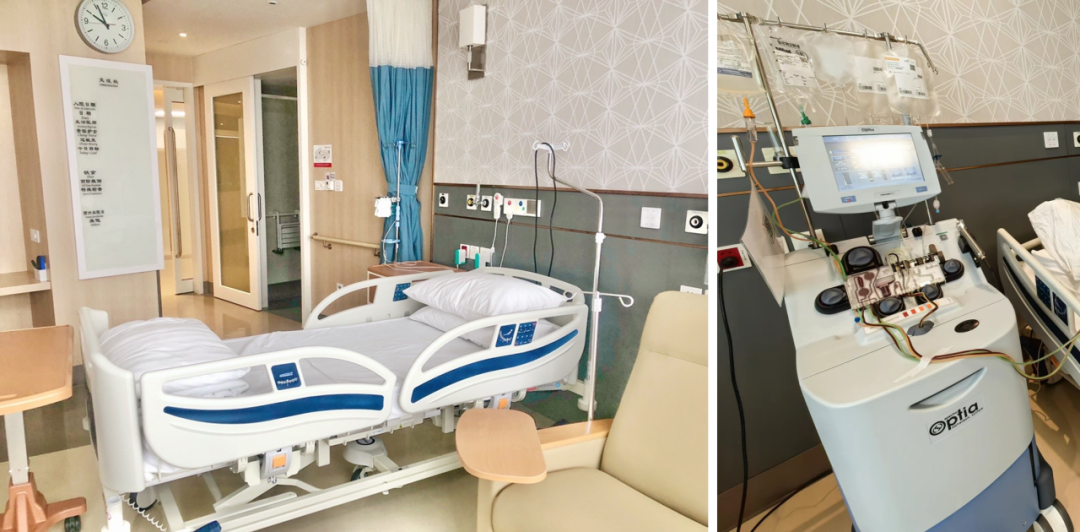
A 59-year-old New Zealand man named Josh has become the world's first international patient to receive Satri-cel, the first CAR-T therapy ever approved for a solid tumor, according to Financial Post. Josh traveled to Shanghai after running out of treatment options at home for his advanced gastroduodenal cancer.
The treatment is being administered at Jiahui International Cancer Center (JICC) in Shanghai. Satri-cel is currently only available in China, making JICC one of the few places in the world where patients can access this therapy, National Post reported.
What Is CAR-T Therapy and Why Satri-cel Matters
CAR-T therapy is a type of treatment that uses a patient's own immune cells. Doctors take T-cells from the patient's blood, re-engineer them in a lab, and send them back into the body to attack cancer. Until now, approved CAR-T therapies only worked for blood cancers, not solid tumors like stomach or colon cancer, Calgary Herald reported.
Satri-cel changes that. It is the first CAR-T therapy ever approved to treat a solid tumor. This is a major step forward, because solid tumors make up the vast majority of cancers worldwide. The approval marks a new chapter in cellular immunotherapy, Ottawa Sun noted.
Josh's Journey from New Zealand to Shanghai
Josh was diagnosed with advanced gastroduodenal cancer, a cancer affecting the stomach and the upper part of the small intestine. After conventional treatments in New Zealand reached their limits, his options narrowed sharply. He then looked beyond his home country for a solution, Brantford Expositor reported.
He found Satri-cel through JICC, which is one of China's leading cancer centers for international patients. Josh made the trip to Shanghai and began treatment, becoming the first non-Chinese patient anywhere in the world to receive this therapy, according to Leader-Post.
China Emerges as a Destination for Cutting-Edge Cancer Care
Satri-cel is only approved in China right now. That means patients from countries like New Zealand, Canada, or the United States cannot get this drug at home. JICC has positioned itself as a bridge, helping international patients access therapies that are not yet available in the West, Montreal Gazette reported.
JICC is designed to serve global patients. It offers care in multiple languages and follows international medical standards. Josh's case signals a growing trend: patients traveling to China for cancer innovations that their home countries have not yet approved, Owen Sound Sun Times noted.
What Comes Next for Solid Tumor CAR-T Treatment
Satri-cel's approval is seen as a landmark moment for cancer research. For decades, scientists struggled to make CAR-T work against solid tumors. These tumors create a hostile environment that blocks immune cells. Cracking that barrier opens the door to treating far more cancer patients worldwide, Chatham Daily News reported.
Whether Satri-cel will gain approval in other countries is still unknown. Regulatory bodies in the US and Europe will need to review the data independently. But Josh's treatment at JICC shows that global patients are not waiting. They are traveling to get access now, according to Whitecourt Star.
Sentiment
NeutralNEGATIVENEUTRALPOSITIVE
Publishers
22
Articles
22
Reach
22
A
AnonymousAuthor


