MMA Gene Therapy Progress
Genespire and SR-TIGET Announce Durable Preclinical Efficacy for MMA Gene Therapy
Anonymous
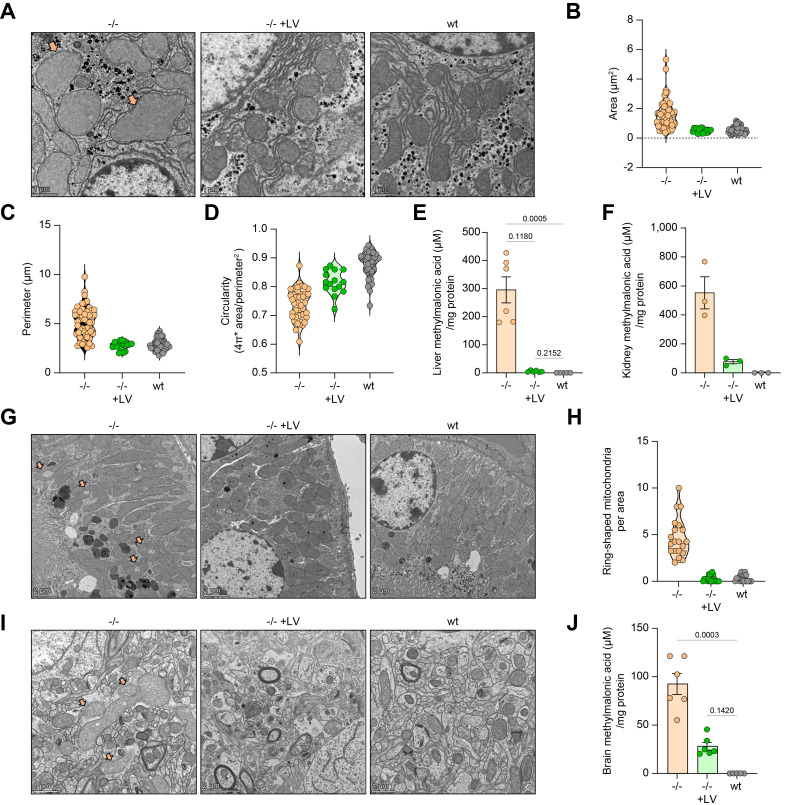
Genespire and the San Raffaele Telethon Institute for Gene Therapy (SR-TIGET) have published preclinical data showing that a single gene therapy injection can produce lasting benefits in mice with methylmalonic acidemia (MMA), a rare and life-threatening metabolic disorder. The findings appeared in the Journal of Hepatology, according to Financial Post.
MMA is caused by a broken gene called MMUT. Without it working properly, toxic acids build up in the body, damaging the kidneys, brain, and other organs. Current treatments, including strict diets and organ transplants, do not fully solve the problem. Genespire's lead drug, GENE202, aims to change that with a one-time treatment.
Single Injection Delivers Durable Results in Mouse Models
The study tested an immune-shielded lentiviral vector, or ISLV, to carry a working copy of the MMUT gene directly into the liver. Lentiviral vectors are tiny delivery tools made from modified viruses. They carry corrected genes into cells. According to Seaforth Huron Expositor, a single administration produced durable therapeutic benefits throughout the study period in mouse models of MMA.
The liver was chosen as the target organ for good reason. It naturally produces enzymes that process the acids MMA patients cannot break down. By fixing the liver's MMUT function, researchers hope to reduce toxic acid buildup across the whole body. Ottawa Sun reported the approach showed strong and lasting correction of metabolic markers in treated mice.
The 'Immune Shield' Technology That Sets GENE202 Apart
A key challenge for gene therapy is the immune system. The body often attacks viral delivery tools before they can work. Genespire's ISLV platform is designed to hide the therapy from immune attack, according to Leader Post. This immune-shielding feature is central to what makes GENE202 different from older gene therapy approaches.
Most earlier liver-directed gene therapies used a different type of vector called AAV. AAV vectors can lose their effect over time, especially in growing children whose liver cells divide and dilute the therapy. Lentiviral vectors like the one in GENE202 integrate into the cell's DNA, which may allow for more stable, long-term correction, Fort McMurray Today noted.
GENE202 Moves Toward Human Clinical Trials
Genespire is now advancing GENE202 toward the clinic. The company believes the preclinical results can translate into a single-administration treatment for human MMA patients, according to Montreal Gazette. No clinical trial start date has been announced yet, but the Journal of Hepatology publication marks a significant step toward regulatory filings.
MMA affects roughly 1 in 50,000 to 1 in 100,000 newborns worldwide. It is detected through newborn screening programs in many countries. Patients face repeated metabolic crises, long-term organ damage, and shortened life expectancy. A one-time gene therapy could dramatically reduce that burden, Hanna Herald reported.
SR-TIGET Partnership Adds Scientific Weight to the Program
SR-TIGET, based in Milan, Italy, is one of Europe's leading gene therapy research centers. It has produced approved therapies for other rare diseases, including ADA-SCID and metachromatic leukodystrophy. Its collaboration with Genespire on MMA adds significant scientific credibility to the GENE202 program, according to County Market.
The research team at SR-TIGET designed and tested the ISLV vector used in the study. Their work builds on years of experience developing liver-directed gene therapies for metabolic disorders. Paris Star Online reported that the partnership is focused on moving from strong preclinical data to a viable treatment option for patients as quickly as possible.
Sentiment
NeutralNEGATIVENEUTRALPOSITIVE
Publishers
15
Articles
15
Reach
15
A
AnonymousAuthor


