Today's Top Global Stories
Gaza Ceasefire Uncertain, US-Canada Tariff Deal Pending, Disney Sues FCC on Rights
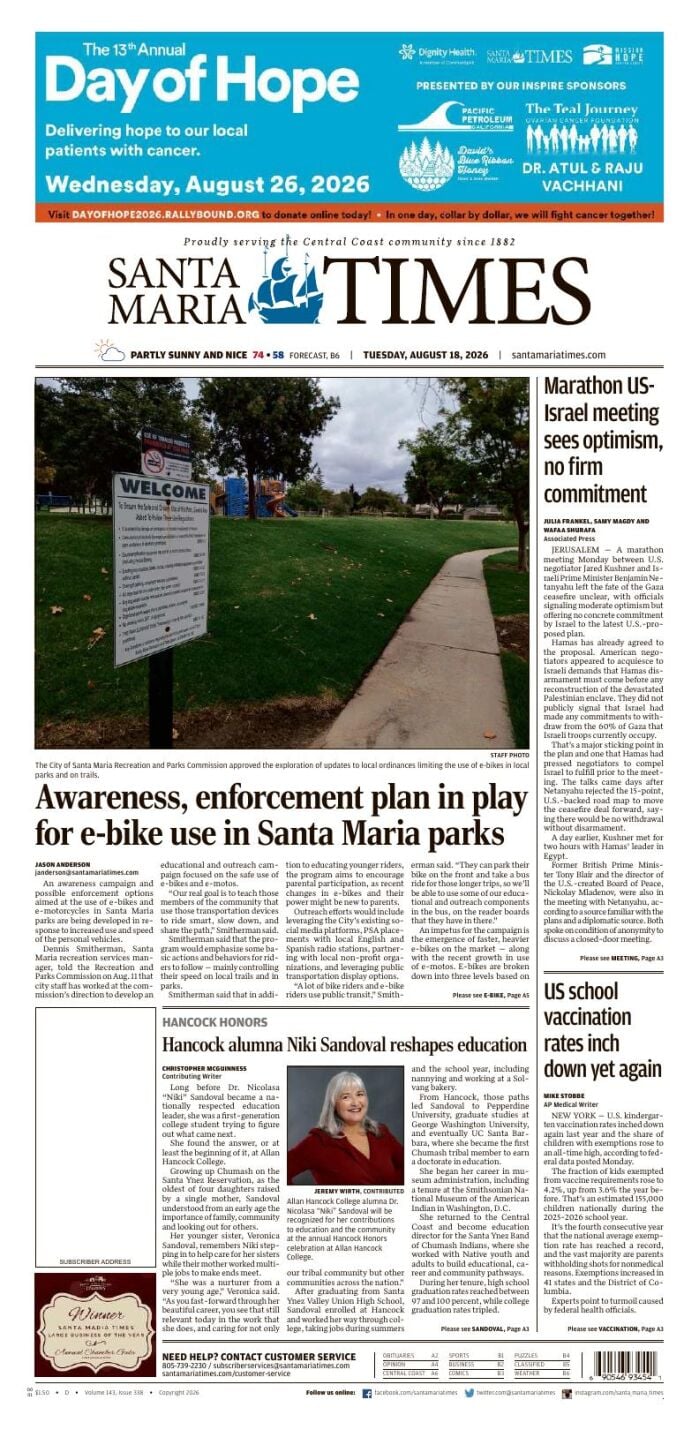
Three major stories are dominating the morning news cycle: a stalled Gaza ceasefire, a looming U.S.-Canada trade war, and a First Amendment lawsuit against a federal agency. AP News reports that U.S. negotiator Jared Kushner held a marathon session with Israeli Prime Minister Benjamin Netanyahu, but left without any firm commitment to Washington's plan for Gaza.
Meanwhile, the U.S. and Canada are racing against a deadline set by President Donald Trump. If no deal is reached, Trump has threatened to hit $20 billion worth of Canadian goods with 50% tariffs. And Disney has taken the federal government to court over what it calls a First Amendment violation.
Kushner Leaves Israel With Optimism but No Deal
Jared Kushner flew to Israel for a high-stakes meeting with Prime Minister Netanyahu over the future of Gaza. The two sides reportedly talked for hours. But when it was over, Israel had not agreed to the American reconstruction plan for the war-torn territory, according to AP News.
The Gaza ceasefire remains fragile. The U.S. plan centers on rebuilding the devastated Palestinian enclave, but Israel has not signed on. Kushner expressed optimism after the meeting. However, optimism is not a commitment. No timeline or next steps were announced publicly.
Trump's 50% Tariff Threat Pushes U.S.-Canada Talks
The U.S. and Canada are in active negotiations to avoid a major trade fight. President Trump set a deadline for the two countries to reach a truce. If talks fail, he has threatened to impose 50% tariffs on $20 billion worth of Canadian products, according to AP News.
A 50% tariff would be a steep tax on Canadian goods entering the U.S. That cost typically gets passed on to American businesses and consumers. Both governments are under pressure to reach a deal quickly. No agreement had been announced as of the morning briefing.
Disney Sues FCC Over Rushed Antisemitism Settlements
Disney has filed a federal lawsuit against the Federal Communications Commission. The company claims the FCC violated its First Amendment rights. The suit centers on a government task force set up to fight antisemitism, according to AP News.
Disney argues the task force pushed Ivy League universities to reach settlements with the government. But the company says the underlying investigations were rushed and incomplete. A First Amendment claim means Disney is arguing the government tried to punish or pressure speech it did not like. The case could have wide implications for how the federal government handles campus antisemitism probes.
Sentiment
NeutralPublishers
6
Articles
6
Reach
6


