Private Cyber Hacking
Trump Administration Authorizes US Private Firms to Hack Foreign Criminal Groups Under Oversight
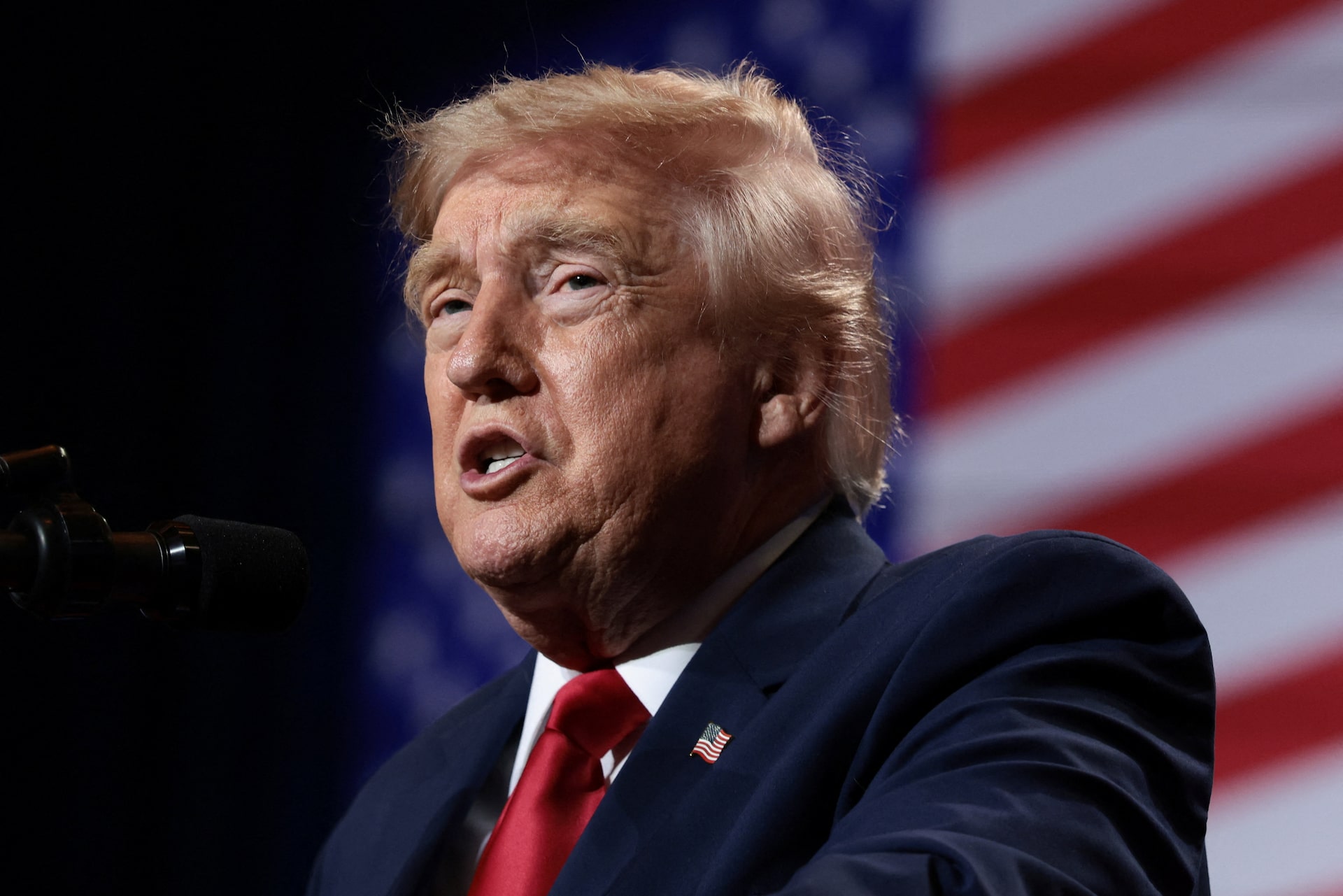
President Trump has signed an executive order allowing private US companies to hack foreign criminal groups under government supervision — a move experts are calling a major shift in how America fights cybercrime, according to CNN. The program, which has been compared to the historical practice of "cyber privateers," lets firms use hacking tools to surveil and disrupt overseas criminal networks.
The order targets foreign criminal gangs that cost the US economy billions of dollars each year. Companies that take part must operate under strict "control and oversight" from the federal government, CNN reported.
What the "Cyber Privateers" Order Actually Does
The term "privateers" refers to private fighters authorized by a government to attack enemies — a concept dating back to the 1600s. This new order applies that idea to the digital world. Private companies can now legally use cyber tools against foreign criminal groups, as long as Washington approves and monitors their actions, according to CNN.
Crucially, the program's target is foreign criminal gangs — not foreign governments. That distinction is meant to limit the political fallout of authorizing private hacking operations on foreign soil.
Why Trump Pushed This Policy Shift Now
Foreign cybercrime costs American businesses and individuals billions of dollars every year. The US government has struggled to keep up. By bringing in private companies, the administration hopes to punch back harder and faster — while also freeing up government cyber resources for other threats, Local 3 News reported.
The move signals a more aggressive posture on cybersecurity from the Trump White House. Rather than relying solely on federal agencies like the FBI or NSA, the administration wants to harness private-sector skills and technology to go on offense.
Legal Risks and Collateral Damage Concerns
Experts warn the plan carries serious legal risks for any company that signs up. Hacking, even with government approval, can go wrong fast. One major concern: a government-backed private firm could accidentally hit a hospital or other civilian system while targeting a criminal network, CNN reported.
That kind of collateral damage could expose companies to lawsuits — or create a diplomatic crisis if the hack crosses into a foreign country's critical infrastructure. Legal experts say the order's protections for participating firms are still unclear.
How Government Oversight Is Supposed to Work
The order requires companies to operate within a framework of federal "control and oversight." That means Washington — not the private firms — sets the rules for what targets are allowed and how attacks are carried out, according to Local 3 News. The goal is to prevent rogue or reckless hacking that could spiral out of control.
Still, critics say oversight on paper does not always work in practice. Cyber operations move fast. By the time a government handler spots a problem, the damage may already be done. The program's exact oversight structure has not been fully made public yet.
Sentiment
NeutralPublishers
4
Articles
3
Reach
4


