Haitians Monitored, Not Detained
Haitians in Ohio Receive Ankle Monitors Amid Rising Immigration Case Backlog
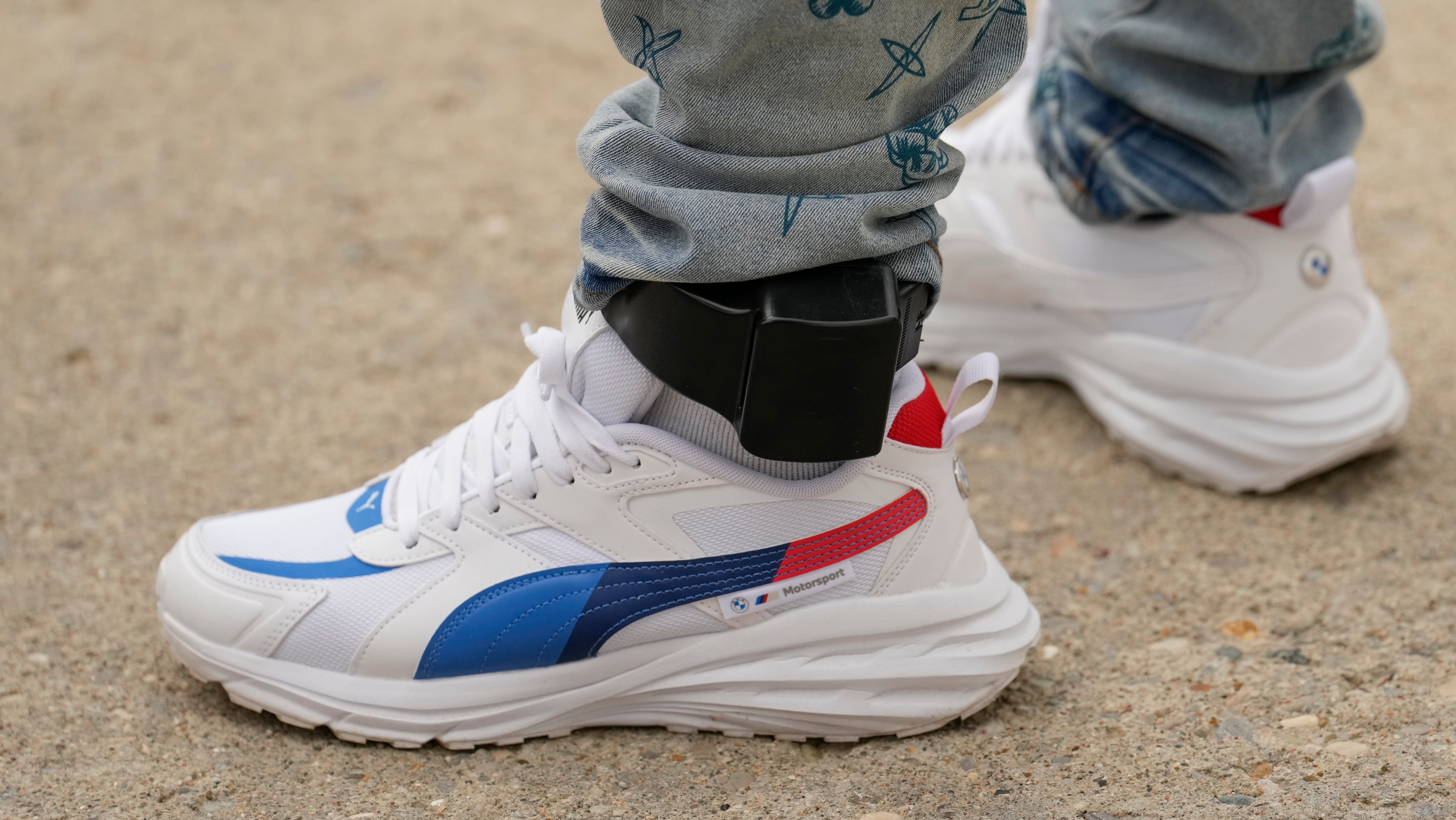
Haitians in Ohio who lost their protected immigration status are getting ankle monitors instead of jail, according to attorneys familiar with the cases. ICE is calling people in for check-ins and strapping monitors to their ankles, letting them stay home while courts decide their fate. NBC News reports the shift is driven by a simple problem: there is not enough detention space for the more than 300,000 Haitians who lost their status after a Supreme Court ruling in June.
The ankle monitors track where immigrants go at all times. They can keep living and working in the U.S. while a judge reviews whether they have a valid reason to stay — like an asylum claim. The approach marks a quiet but significant break from the Trump administration's tough-on-immigration stance.
Supreme Court Ruling Left 300,000 Haitians Without Status
The chain of events started with a Supreme Court decision in June. The court's ruling ended Temporary Protected Status, known as TPS, for hundreds of thousands of Haitians living in the United States. TPS is a program that lets people from dangerous or disaster-hit countries stay in the U.S. legally. Once TPS ends, those people can be deported.
More than 300,000 Haitians lost their protected status as a result. That number is simply too large for ICE to lock up all at once. The U.S. immigration detention system does not have enough beds, according to NBC Philadelphia. So officials needed another option fast.
Ankle Monitors Replace Jail Cells at Ohio Check-Ins
ICE is summoning Haitians in Ohio to scheduled check-in appointments. When they show up, agents fit them with ankle monitors instead of taking them into custody. The monitors track their location around the clock. Attorneys say they are seeing this happen more and more, according to NBC Connecticut.
The monitors let immigrants stay in their homes, keep their jobs, and care for their families. But they are not free. They must report their whereabouts and follow strict rules. If a judge later finds they have no legal right to stay, deportation could still follow.
Policy Shift Could Put DHS Secretary at Odds With Trump
The move is being watched closely in Washington. NBC Los Angeles notes that this is seen as one of the latest policy shifts by DHS Secretary Markwayne Mullin. Some observers believe it could draw the ire of President Donald Trump, who has pushed for aggressive deportations and strict immigration enforcement since taking office.
Trump has repeatedly called for locking up immigrants who are in the country without legal status. Using ankle monitors instead of detention cells is a softer approach — one that past administrations also used but that clashes with the hardline image the White House has tried to project.
Asylum Claims Could Let Some Haitians Stay Legally
While wearing their ankle monitors, Haitians can still fight their cases in court. An asylum claim is one of the strongest legal tools available. If a person can show they face serious danger back in Haiti — from gang violence, political persecution, or other threats — a judge can allow them to stay, according to NBC San Diego.
Haiti has been gripped by gang violence for years, with armed groups controlling large parts of the country. That reality may help some Haitians make a strong case for asylum. For now, the ankle monitor is keeping them in a legal gray zone — present in the U.S., but with their future still unresolved.
Sentiment
NeutralPublishers
9
Articles
9
Reach
9