Unjammable Drone Defense
Wrap Technologies Secures NATO Rights for Unjammable Drone Detection via WrapShield
Anonymous
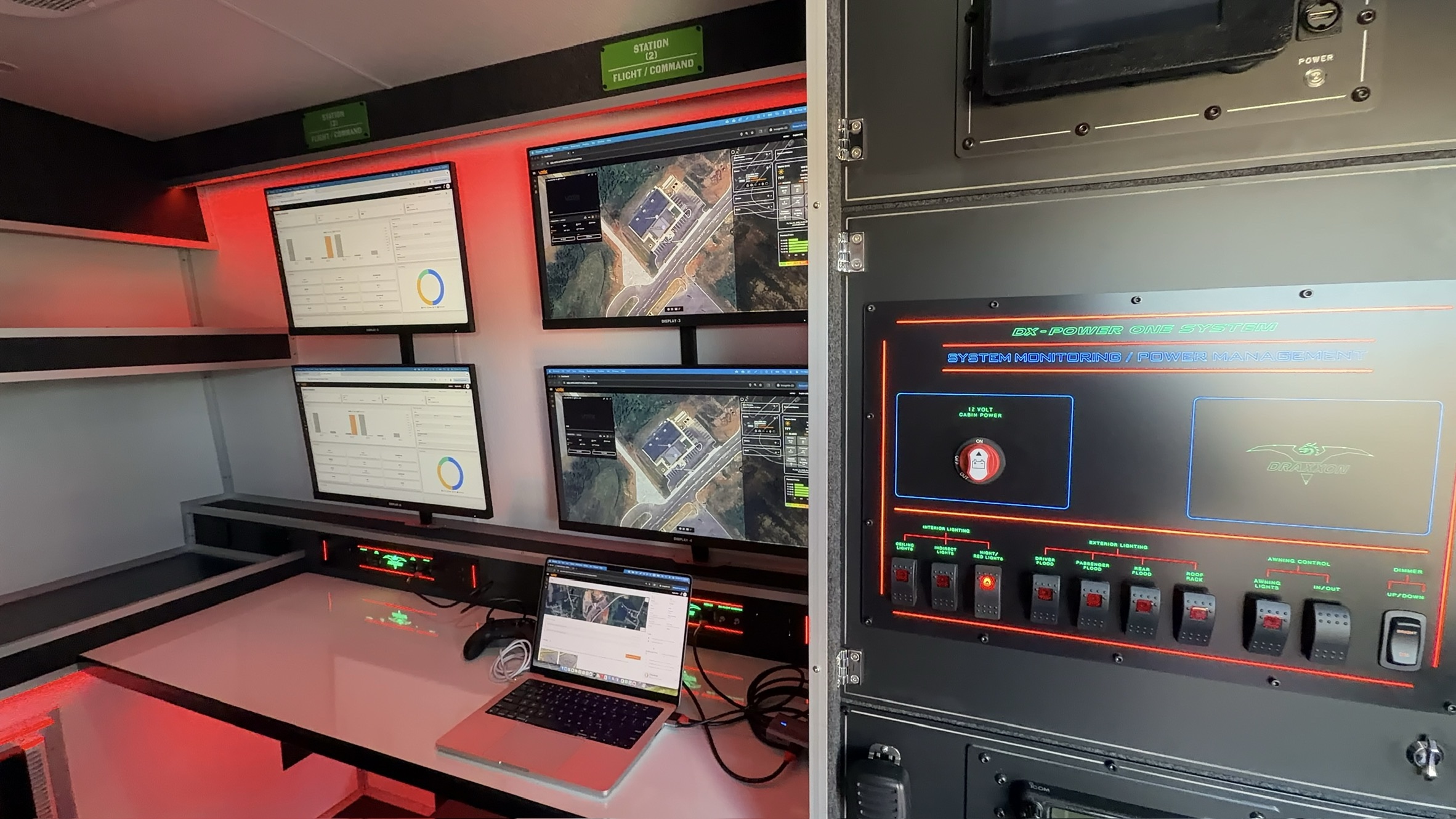
Wrap Technologies Inc. (NASDAQ: WRAP) has built a drone-detection system that works even when drones go silent — and it cannot be jammed, spoofed, or switched off, according to Leader Post. The company secured exclusive U.S. and NATO rights to a physics-based sensor that reads a drone's thermal fingerprint, a signal the target cannot hide.
The technology now sits at the core of WrapShield, Wrap's new counter-drone and autonomous public-safety platform. Its potential market spans domestic law enforcement, allied militaries, and critical infrastructure across all NATO nations, Montreal Gazette reported.
The Drone Threat No Jamming Signal Can Stop
Modern drones have learned to go dark. They can cut radio signals, avoid radar, and fly low to dodge detection. Most counter-drone tools rely on those same signals to find a threat — so when the drone goes quiet, the defender goes blind. Wrap's physics-based sensor takes a different approach. It reads heat, not radio waves. Heat cannot be turned off.
That single insight is the foundation of WrapShield. Because the sensor reads a thermal fingerprint — the unique heat pattern every drone produces — it works even when attackers adapt their hardware or software, according to Montreal Gazette. No software patch can change the laws of physics.
Exclusive NATO Rights Give Wrap a Structural Moat
Wrap did not just build a new sensor. It locked up the rights to it. The company secured exclusive U.S. and NATO licensing for the underlying detection method, meaning no competitor inside those borders can legally copy the approach, Toronto Sun reported. That covers dozens of allied nations and hundreds of billions in combined defense and infrastructure budgets.
Exclusive rights in a winner-take-most market matter enormously. Public-safety agencies tend to standardize on one platform and stay there for years. Getting in first — and locking out rivals by contract — gives Wrap a durable edge that goes beyond the technology itself.
Autonomous Response Closes the Human Speed Gap
A drone can cross a stadium perimeter in seconds. A human operator needs time to see the alert, read it, decide, and act. That gap — between attacker speed and defender response — is structural, according to Brantford Expositor. No amount of hiring alone can close it. Only automation can.
WrapShield is built around that idea. It pairs the thermal sensor with an autonomous response layer — detect, decide, and act without waiting for a human in the loop. Fort McMurray Today noted that public-safety agencies are increasingly expected to adopt exactly this kind of autonomous stack, where the sensor locks the threat and the system locks the response.
A Market That Spans Law Enforcement to Critical Infrastructure
The addressable market for WrapShield is wide. It covers local police and federal agencies in the U.S., allied militaries across NATO's 32 member states, and the operators of critical infrastructure — power grids, airports, pipelines — that face growing drone threats, Cochrane Times Post reported.
Each of those buyers faces the same core problem: threats move faster than people. Wrap's argument is that a locked sensor feeding an autonomous response platform is the only scalable answer. Whether governments agree — and how fast they buy — will determine how quickly that broad market turns into real revenue for the Nasdaq-listed company, according to Owen Sound Sun Times.
Sentiment
NeutralNEGATIVENEUTRALPOSITIVE
Publishers
13
Articles
13
Reach
13
A
AnonymousAuthor


