Ukraine Government Shakeup
Ukrainian Prime Minister Resigns Amid Zelenskyy's Government Reshuffle; Attacks Continue in Russia
Anonymous
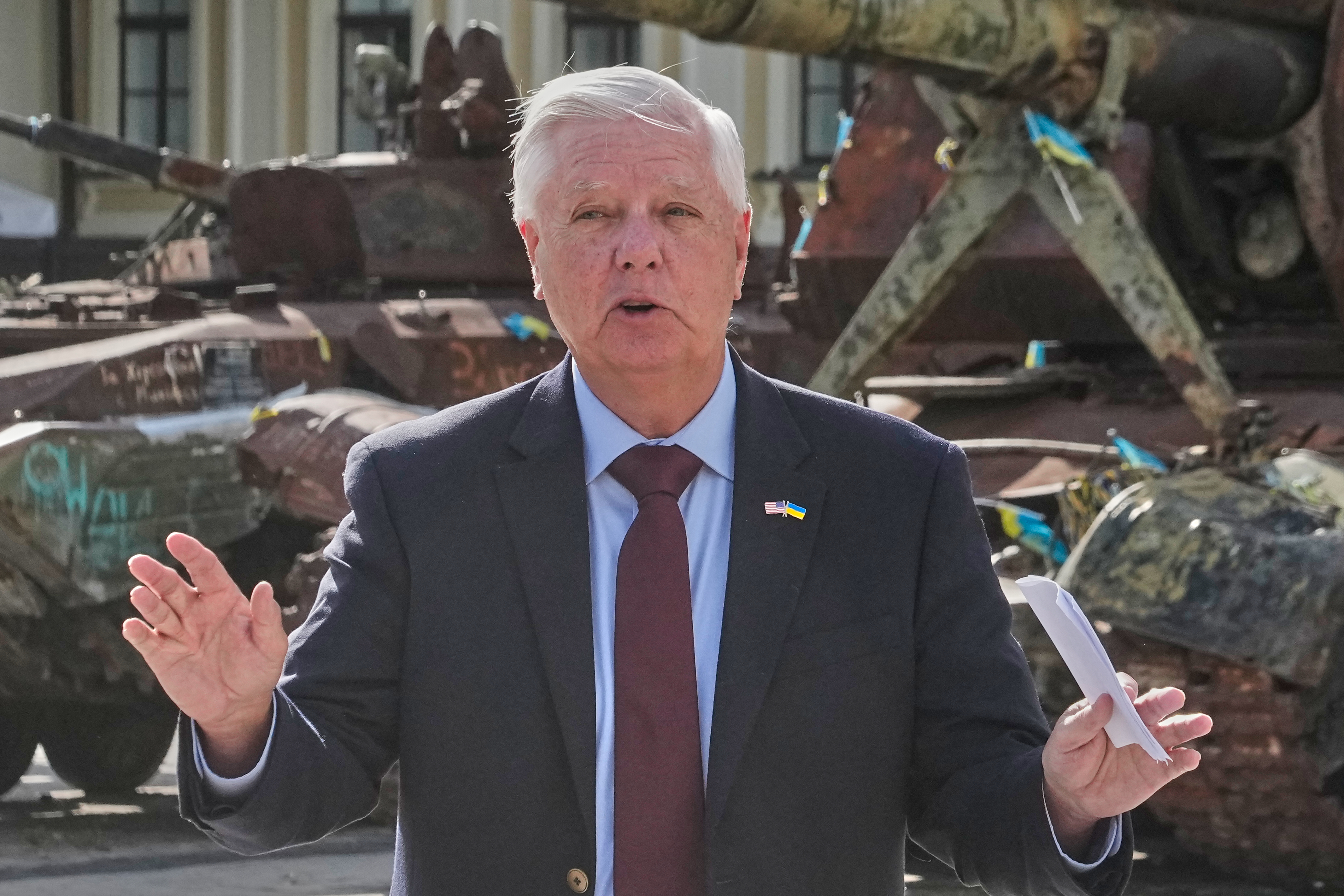
Ukrainian Prime Minister Yulia Svyrydenko resigned on Sunday as President Volodymyr Zelenskyy announced a broad government reshuffle. Jones Borough Sun reported that Svyrydenko posted her resignation on social media, saying she was offered the chance to lead Ukraine's ties with a key international partner.
Svyrydenko had only recently been appointed prime minister in 2025. She rose to the role after helping Ukraine secure a critical minerals agreement with the United States. The reshuffle signals Zelenskyy is restructuring how Ukraine handles its most important foreign relationships during the ongoing war.
Zelenskyy Restructures Foreign Policy Leadership Top to Bottom
Zelenskyy announced that each major area of Ukraine's foreign policy will now be assigned to a specific person. That person must have deep experience and be able to deliver real results. The move is a clear signal that Zelenskyy wants more accountability in how Ukraine manages its global alliances during wartime.
Svyrydenko's new role was not fully named in official statements. But her background in securing the U.S. minerals deal suggests she will focus on economic diplomacy. Enid News noted she said the opportunity to lead relations with a "key international partner" drove her decision to step down as prime minister.
Svyrydenko's Fast Rise and Sudden Departure
Svyrydenko's tenure as prime minister was short but significant. She was named to the post in 2025 after playing a central role in negotiating Ukraine's minerals deal with Washington. That agreement was seen as a major win for Kyiv, helping lock in U.S. economic engagement with Ukraine.
Her resignation does not appear to be a demotion. Idaho Press reported she is moving to a new post focused on a key foreign partner. The quick transition suggests Zelenskyy is reorganizing talent rather than removing it.
Ukrainian Strike in Southwest Russia Kills One, Wounds Three
As the reshuffle unfolded, Ukraine's military kept up pressure on Russian soil. A Ukrainian attack in southwest Russia killed one person and wounded three more, according to Yakima Herald. Kyiv's forces have increasingly targeted Russian oil infrastructure in recent weeks.
The strikes on Russia's energy facilities have caused serious damage. Multiple Russian regions are now experiencing gasoline shortages and fuel rationing. The attacks appear designed to strain Russia's economy and military supply chains by hitting the energy sector hard.
Fuel Crisis Spreads Across Russian Regions After Energy Strikes
Russia's fuel crisis is growing. Gasoline shortages have spread to multiple regions, forcing local governments to introduce rationing. The disruptions are a direct result of sustained Ukrainian drone and missile strikes on oil refineries and storage facilities inside Russia.
The energy pressure campaign marks a shift in Ukraine's war strategy. Rather than focusing only on front-line fighting, Kyiv is hitting Russia's economy where it hurts. Fuel shortages can slow troop movements, cut military output, and raise civilian frustration inside Russia.
Sentiment
NeutralNEGATIVENEUTRALPOSITIVE
Publishers
7
Articles
6
Reach
7
Topics
A
AnonymousAuthor


