Support Cord Blood Banks.
Cord Blood Council Achieves Nonprofit Status, Opens Donations to Support Public Cord Blood Banks.
Anonymous
The Cord Blood Council (CBC) has secured federal 501(c)(3) tax-exempt status, making it an official nonprofit and opening the door for tax-deductible public donations, according to Montreal Gazette. The milestone marks a significant step for the organization, which works to support and strengthen the United States' public cord blood bank system.
Public cord blood banks store donated umbilical cord blood after birth. That blood is rich in stem cells, which doctors use to treat more than 80 diseases, including leukemia and other blood disorders. The CBC's new status means everyday donors can now give money and receive a tax deduction in return, The Province reported.
What the 501(c)(3) Status Means for Donors
A 501(c)(3) designation is granted by the IRS to qualifying nonprofit organizations. It means the group does not pay federal taxes. More importantly for supporters, any money donated to the CBC is now tax-deductible. That makes giving more attractive to individuals, foundations, and corporations alike, Sault Star noted.
Before this status, the CBC could not offer that financial benefit to donors. Now that the barrier is removed, the organization is actively asking the public to contribute. Funds raised will go toward expanding access to high-quality cord blood for patients who need stem cell transplants.
CBC's Mission to Unify Public Cord Blood Banks
The CBC was created to bring the nation's public cord blood banks under a shared mission. Public banks collect donated cord blood at no cost to families. That blood is then made available to any patient who needs a match — unlike private banks, which store blood exclusively for the donor's own family, Cochrane Times-Post reported.
The council works across several core areas, including advocacy, education, and research support. By unifying these banks, the CBC aims to increase the overall supply of high-quality cord blood units available to patients nationwide. A larger, more diverse supply improves the odds that patients — especially those from minority backgrounds — will find a matching donor.
National Cord Blood Awareness Month Drives Education Push
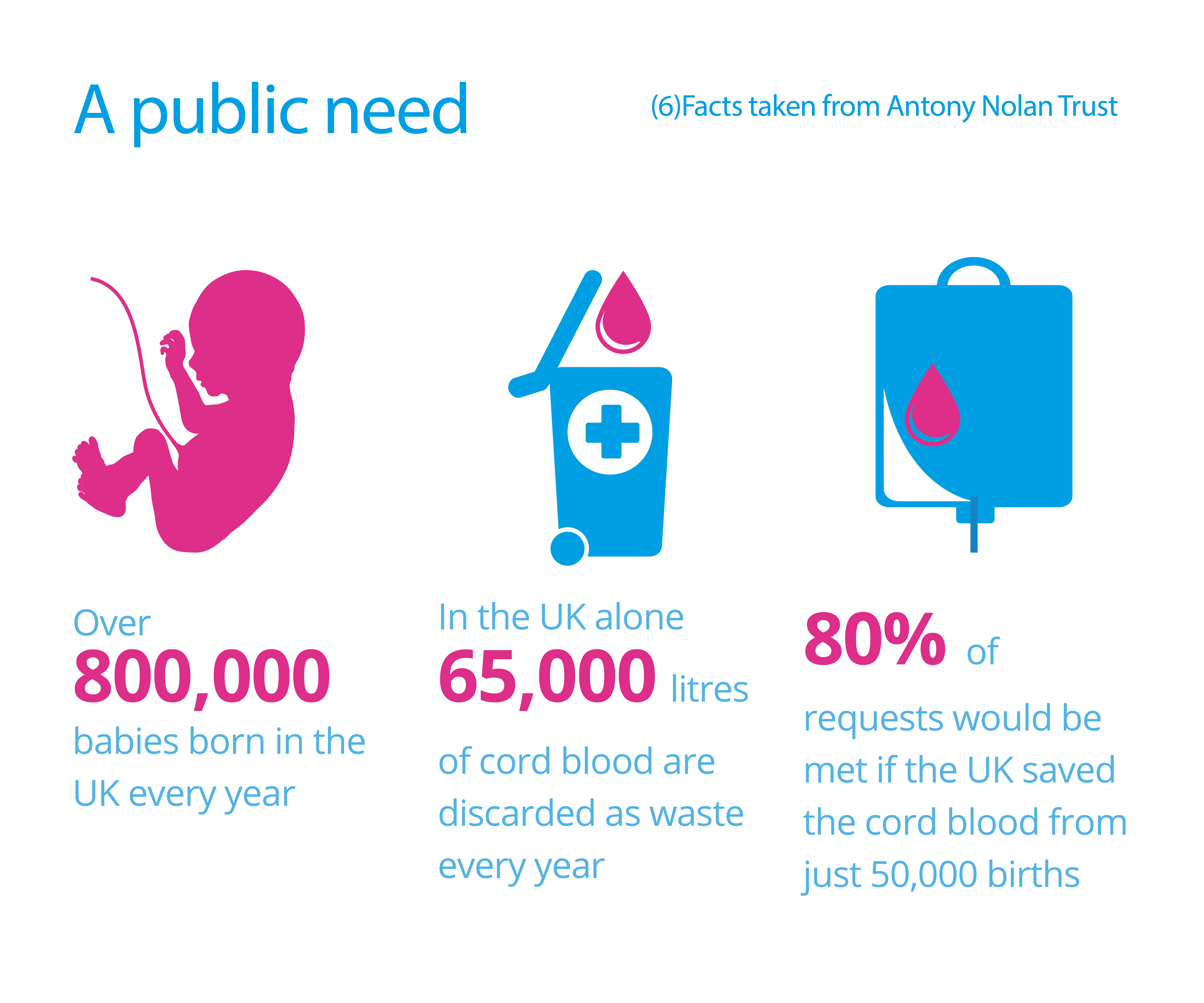
The CBC plans to mark National Cord Blood Awareness Month with a series of educational content for the public. The campaign is designed to inform expecting parents about the option to donate cord blood after delivery. Most cord blood is discarded after birth unless parents choose to donate it, according to Fort McMurray Today.
Awareness is a major hurdle for public banks. Many parents simply do not know that donation is possible or that it could one day save a stranger's life. The CBC's education push aims to change that, growing the donor pool and ultimately helping more patients find a life-saving match.
Why Public Cord Blood Banks Need More Support
Public cord blood banks operate on tight budgets. Processing, testing, and storing a single cord blood unit can cost thousands of dollars. Federal funding helps, but it does not cover everything. Private donations now become a critical new revenue stream for the CBC and the banks it supports, Stratford Beacon Herald reported.
The 501(c)(3) status gives the CBC a stronger platform to seek grants and corporate partnerships as well. With more resources, the organization can push for policy changes, fund research, and help more hospitals set up cord blood collection programs. The end goal is simple: more units available means more lives saved.
Sentiment
NeutralNEGATIVENEUTRALPOSITIVE
Publishers
9
Articles
9
Reach
9
Topics
A
AnonymousAuthor


