Mumbai Metro's 5G Future
ACES India and Reliance Jio Sign 25-Year Deal for 4G/5G Connectivity on Mumbai Metro Line-3
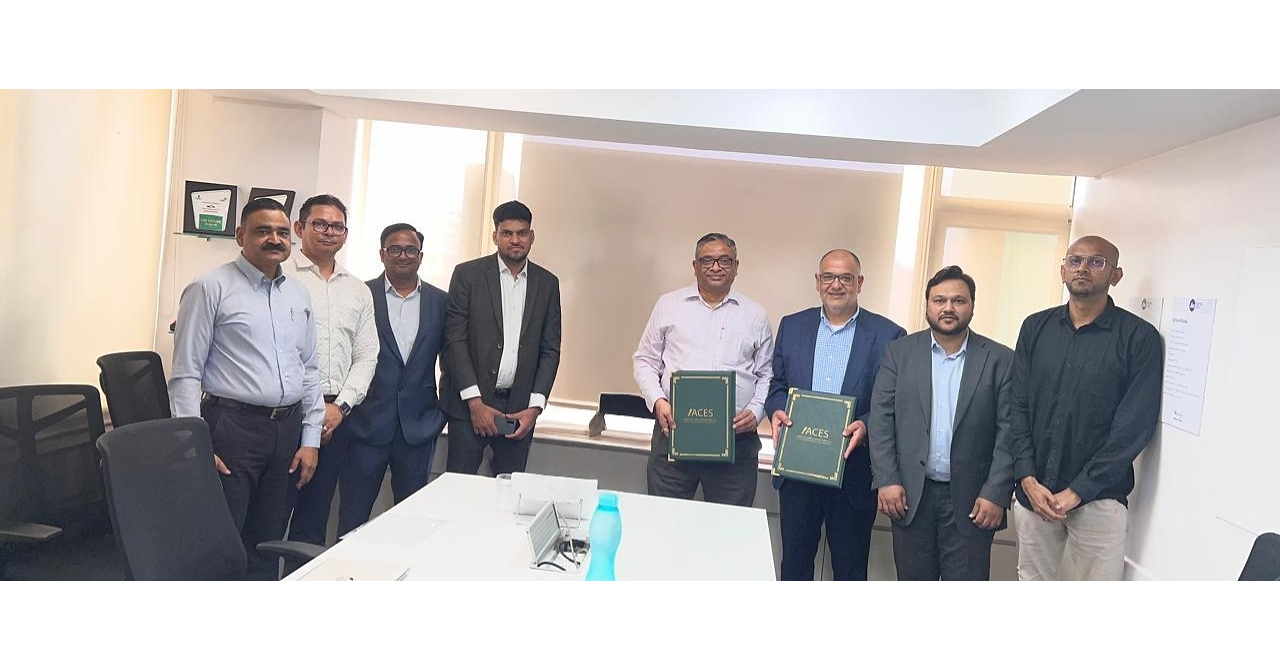
ACES India Private Limited has signed a 25-year agreement with Reliance Jio to bring 4G and 5G connectivity to the Mumbai Metro Aqua Line-3, according to PR Newswire. The deal marks a major step in delivering seamless mobile service across one of Mumbai's busiest underground transit corridors.
The deployment will cover stations, platforms, concourses, and underground tunnels along the Aqua Line-3 network. Commuters will get high-speed data, voice, and digital services throughout their entire journey, Yahoo Finance reported.
A 25-Year Commitment to Underground 5G Coverage
The agreement between ACES India and Reliance Jio runs for 25 years. That makes it one of the longest telecom infrastructure deals tied to a single metro line in India. PR Newswire noted the partnership is aimed at supporting growing mobile data demand across the city's expanding transit network.
ACES India is a wholly owned subsidiary of ACES, a neutral digital infrastructure company. Being "neutral" means ACES does not favor one telecom carrier over another. It builds shared infrastructure that multiple operators can use, making deployments more efficient and cost-effective.
Aqua Line-3 Becomes a Next-Generation Connectivity Corridor
Mumbai Metro Aqua Line-3 is a critical urban rail link running through the heart of the city. It is fully underground, which makes mobile connectivity harder to deliver. Tunnels block standard cellular signals, so dedicated in-tunnel infrastructure is required to serve riders.
The ACES India deployment will place connectivity infrastructure at every key point along the line. That includes station concourses, platforms, and the tunnels between stops. Riders will stay connected from the moment they enter a station to the moment they exit, according to PR Newswire.
Reliance Jio Expands Its Metro Transit Footprint
Reliance Jio is India's largest telecom operator by subscribers. Partnering with ACES India lets Jio extend its 4G and 5G network into the metro without building its own underground infrastructure from scratch. This kind of neutral-host model is increasingly common in dense urban transit systems worldwide.
The deal reinforces Jio's push to deliver next-generation services in high-footfall public spaces. Metro stations see millions of passengers each year. Strong in-tunnel coverage turns a dead-zone commute into a productive, connected experience for riders.
ACES India Cements Its Role in Urban Digital Infrastructure
ACES India positioned the Jio agreement as proof of its neutral digital ecosystem strategy. The company aims to be the backbone of smart urban infrastructure in India. By hosting multiple carriers on shared systems, it reduces the cost and complexity of rolling out 5G in difficult environments like subway tunnels.
The Mumbai Metro deal could serve as a template for future agreements across other Indian cities. India's metro rail network is expanding rapidly in cities like Delhi, Bengaluru, and Hyderabad. Each new line represents a potential new opportunity for neutral-host connectivity deployments, PR Newswire noted.
Sentiment
NeutralPublishers
7
Articles
6
Reach
7


