Record Foreign Employment
Spain's Foreign Affiliates Surpass 3.5 Million for First Time, Boosting National Employment
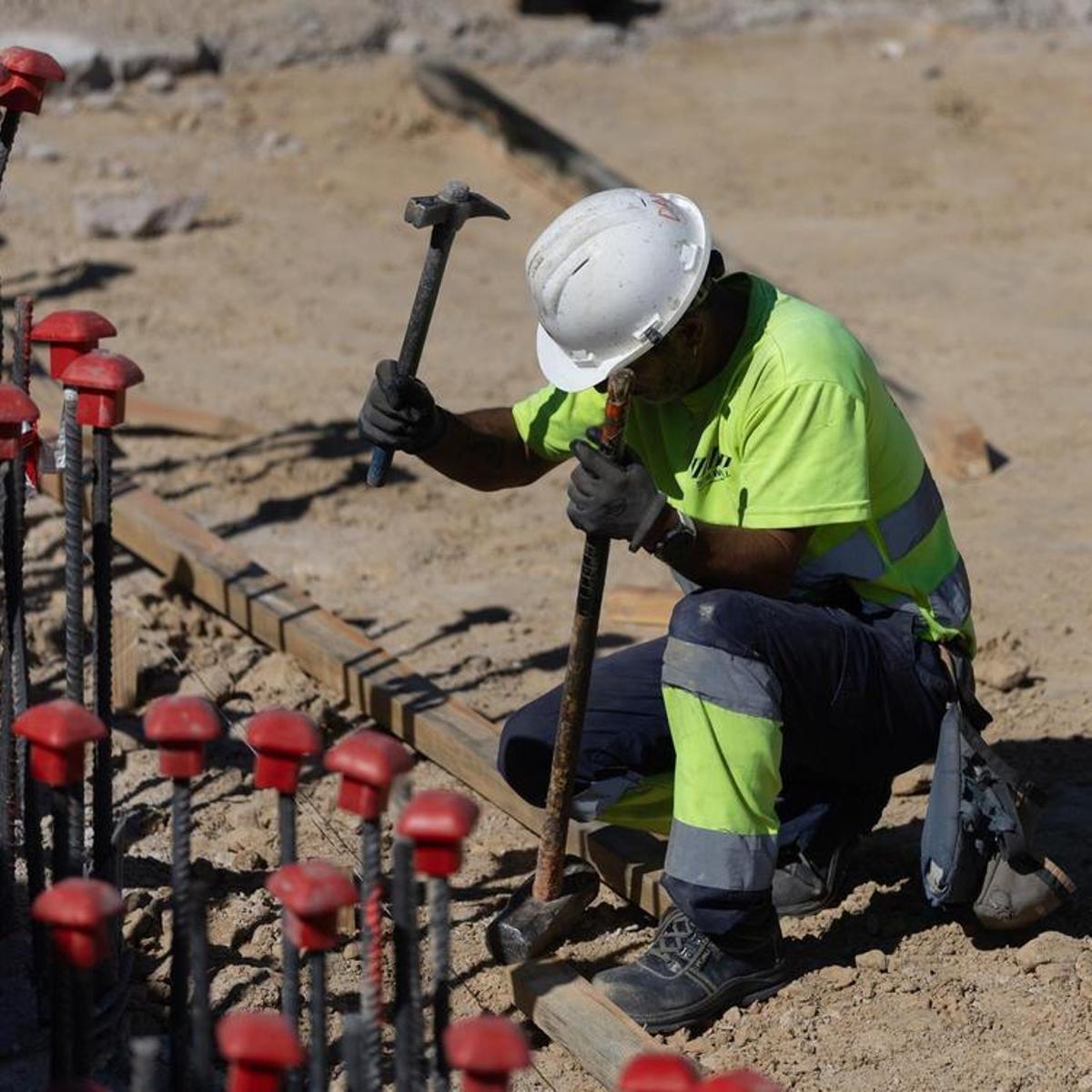
For the first time in Spanish history, foreign-born workers have crossed the 3.5 million social security contributors mark, according to Diario de Ibiza and other regional outlets. This milestone represents a sweeping shift in Spain's labor market, with workers of other nationalities adding 420,875 new affiliates in just one year.
Foreign workers now account for 46.3% of all jobs created since Spain's labor reform took effect. That means nearly half of every new job since the reform has gone to a non-Spanish national, according to La Opinión de Málaga.
3.5 Million Foreign Contributors: A Historic First
Spain's Social Security system has never registered this many foreign contributors before. The 3.5 million threshold is not just a round number — it marks a structural change in who is keeping Spain's pension and welfare system funded. Just one year ago, the figure was roughly 3.08 million, according to Levante EMV. That is a gain of more than 420,000 contributors in 12 months.
Foreign affiliates now make up a growing share of Spain's total workforce. Their rapid growth has outpaced that of Spanish-born workers, making them a key engine of job creation in the current economic cycle, reports El Periódico de Aragón.
Labor Reform's Role in Driving Foreign Employment
Spain's labor reform, introduced to reduce temporary contracts and encourage stable employment, has had a measurable effect on foreign workers. Of all new jobs created since the reform passed, 46.3% belong to workers from other countries. That figure is striking given that foreign nationals make up a smaller share of the total population, according to El Correo Gallego.
The reform pushed companies toward permanent contracts. Foreign workers, often filling roles in sectors like construction, hospitality, and agriculture, benefited directly. More stable contracts mean more consistent Social Security contributions, says La Opinión de Murcia.
Which Sectors and Regions Are Absorbing Foreign Workers
Foreign workers tend to concentrate in specific parts of the economy. Hospitality, agriculture, construction, and domestic services lead the way. Coastal and island regions — including the Balearic Islands and the Canary Islands — show especially high shares of foreign affiliates, according to Diario de Mallorca and La Provincia.
Urban areas like Madrid and Valencia also draw large numbers of foreign contributors. These workers often fill jobs that face chronic labor shortages. Without them, key sectors of the Spanish economy would struggle to meet demand, reports Información.
What This Means for Spain's Pension System
Every new Social Security contributor helps shore up Spain's pay-as-you-go pension system. With an aging Spanish population, the influx of younger foreign workers is a financial lifeline. More contributors mean more money flowing into the system each month to pay current retirees, according to LNE.
Experts have long warned that Spain needs more working-age contributors to keep pensions sustainable. The milestone of 3.5 million foreign affiliates shows immigration is already playing that role in practice, notes El Periódico Mediterráneo. Whether policymakers formally credit immigration as a pension strategy remains a politically charged question.
Sentiment
NeutralPublishers
15
Articles
0
Reach
15