PA Sentencing Uncertainty
Pennsylvania Ends Automatic Life Sentences for Felony Murder, Lacks Clear Sentencing Guidance
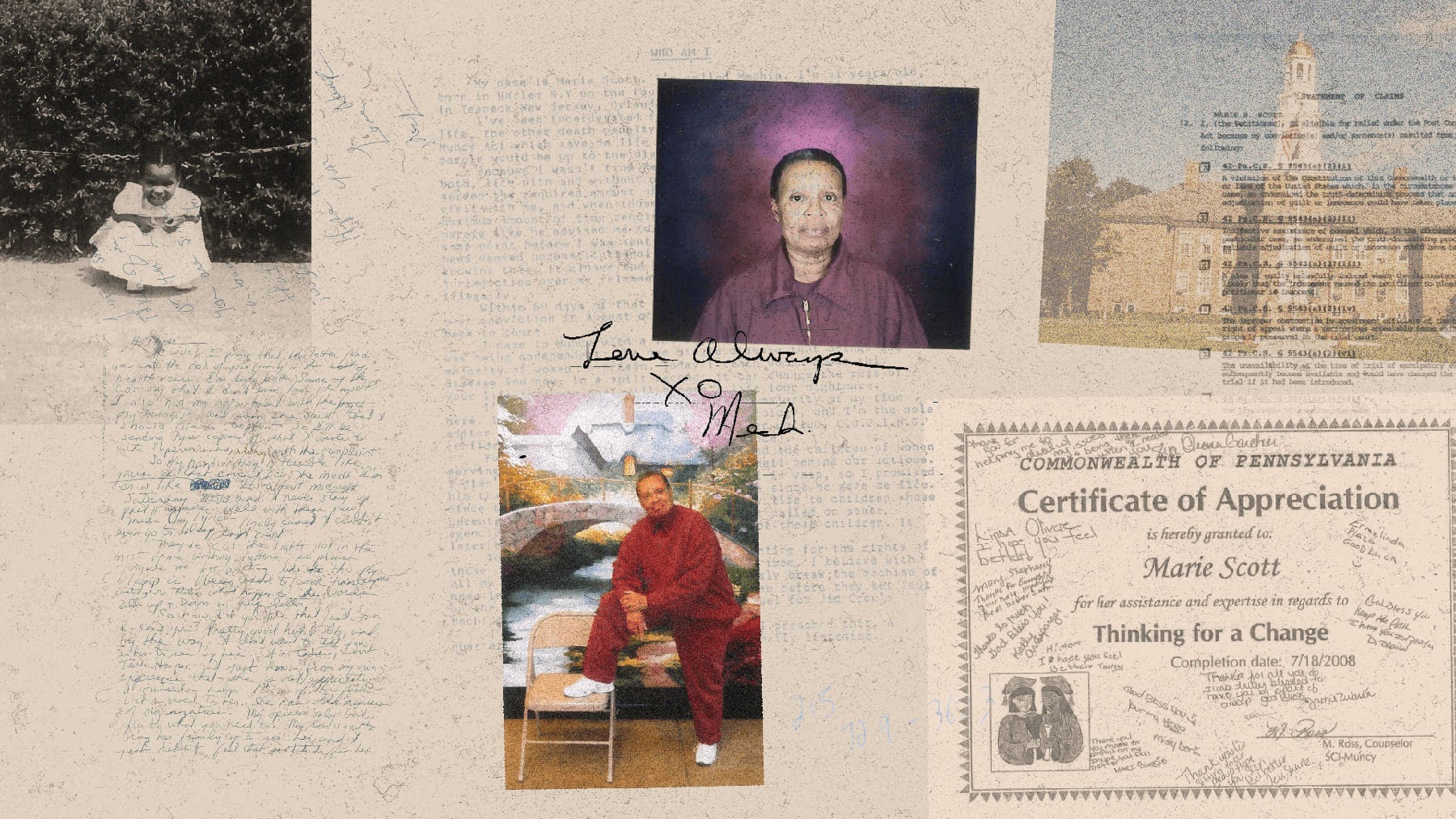
Pennsylvania's Supreme Court struck down automatic life sentences for felony murder in March, ruling that mandatory life without parole — even for people who never killed anyone — is unconstitutional, according to Ledger-Enquirer. The court gave lawmakers 120 days to write a new sentencing law. That deadline has now passed with no action from the legislature.
The ruling does not mean felony murder defendants go free. Judges can still sentence someone to life without parole. But now they must weigh each case individually rather than apply the punishment automatically, Charlotte Observer reported.
What Felony Murder Actually Means in Pennsylvania
Felony murder, known legally as second-degree murder, applies when someone dies during a crime like a robbery — even if the defendant did not pull the trigger or intend to kill anyone. Pennsylvania law had long treated everyone involved the same way: mandatory life in prison with no chance of parole, according to Bradenton Herald.
The state Supreme Court said that blanket approach is unconstitutional. A getaway driver and a shooter can no longer receive the exact same automatic sentence. A judge must now look at what each person actually did before deciding their punishment, Idaho Statesman reported.
Legislature Missed Its Deadline, Leaving Judges Without Clear Rules
The court gave Pennsylvania's legislature 120 days to pass a new sentencing framework for second-degree murder. Lawmakers did not meet that deadline. Now there is no clear law telling judges what sentencing range to use, according to Bellingham Herald.
That leaves judges on their own. Each one must decide how to sentence felony murder defendants without a standard to follow. Legal experts warn this could lead to wildly different outcomes depending on the county and the judge, Tri-City Herald reported.
Nearly 1,100 People Serving Life Sentences See No Change Yet
About 1,100 people are currently serving life sentences for second-degree murder in Pennsylvania. The ruling does not automatically help any of them. Nothing changes for people already convicted unless a court separately decides the ruling applies to old cases, according to San Luis Obispo Tribune.
That question — whether the ruling applies retroactively — has not been settled. Legal experts expect it to go back to the state Supreme Court. Until then, those 1,100 people remain in prison under sentences the court has now called unconstitutional, Kansas.com reported.
What Comes Next for Future Cases and Current Inmates
For new cases going forward, judges will weigh factors like a defendant's role in the crime before sentencing. Life without parole is still on the table — it just cannot be automatic. This is a significant shift in how Pennsylvania courts handle one of its most serious charges, according to Idaho Statesman.
For current inmates, the path forward is murky. They would likely need to file legal challenges to get their cases reconsidered. Legal experts say the retroactivity battle will define whether this ruling is a landmark reform or a narrow procedural change, Ledger-Enquirer reported.
Sentiment
NeutralPublishers
8
Articles
8
Reach
8


