Critical Iran Negotiations
Iran Ceasefire Deadline Looms as Trump Demands Surrender Amid Negotiations
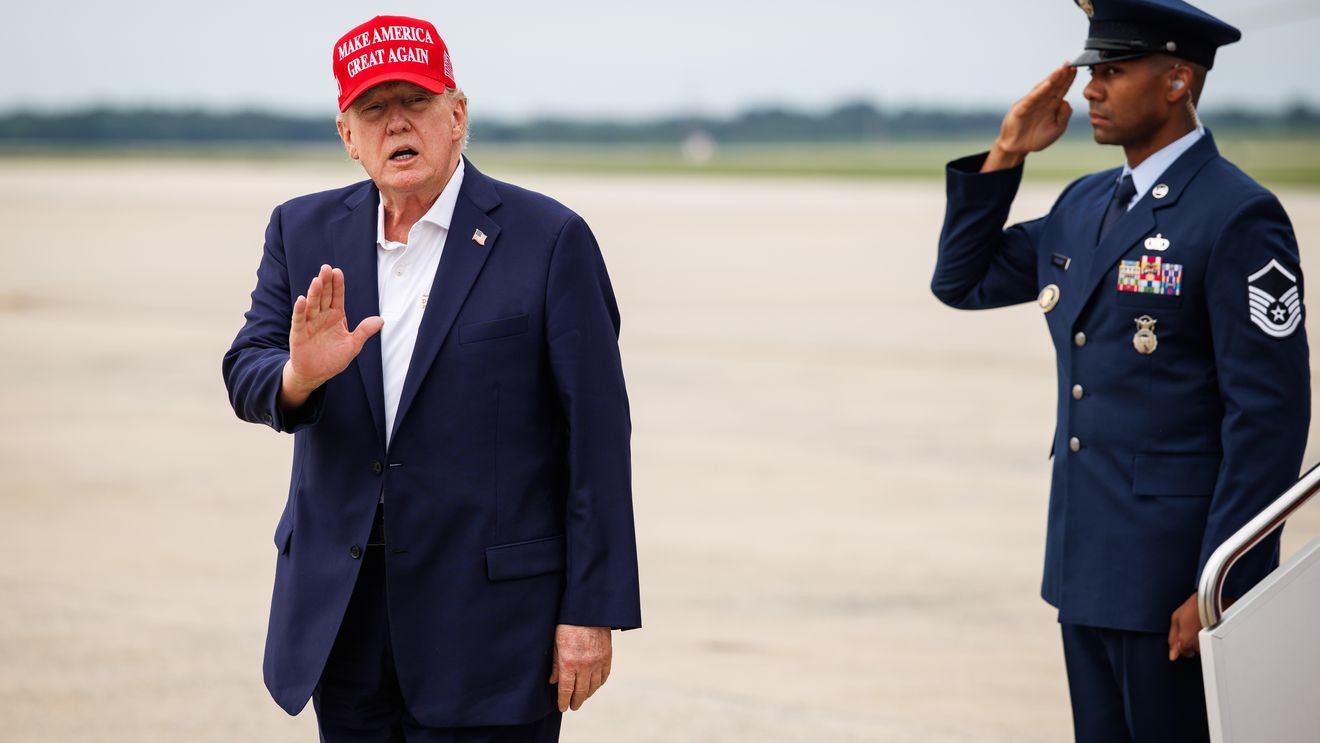
A critical deadline arrives Monday as a 60-day ceasefire agreement in the Iran war expires — and no broader peace deal is in place, according to KOMO News. The clock is running out, and the path to a lasting resolution remains deeply uncertain.
President Trump has taken an aggressive stance in public, calling on Iran to raise the "white flag of surrender," according to WGME. He has also threatened to bomb Oman if it interferes with negotiations and suggested the Strait of Hormuz — a vital global oil shipping lane — should become U.S. territory.
Monday Ceasefire Deadline Looms With No Deal Signed
The 60-day ceasefire was meant to buy time for diplomats to hammer out a permanent agreement. That time is nearly gone, according to News4 San Antonio. Without a deal in place before Monday, the truce simply expires — leaving both sides without a formal framework to prevent a return to open fighting.
No announcement of a final agreement has been made. Negotiations appear stalled. The expiration of the ceasefire does not automatically mean fighting resumes — but it removes the one formal barrier keeping both sides from escalating, WSET reported.
Trump's Demands: Surrender, Hormuz, and Bombing Threats
Trump's public demands have been sweeping and forceful. He has called on Iran to surrender outright, according to Fox San Antonio. He also threatened to bomb Oman — a nation that has played a key role as a back-channel for U.S.-Iran talks — if it gets in the way of the peace process.
Perhaps most strikingly, Trump suggested that the Strait of Hormuz should become U.S. territory, WUTV reported. The strait is one of the world's most important waterways — about 20% of global oil passes through it. Taking control of it would be an extraordinary geopolitical move with massive international consequences.
Can Trump Actually Close a Deal? The Case for and Against
Supporters point to Trump's track record of high-pressure dealmaking. His administration brokered the Abraham Accords in his first term. Some believe his aggressive posture — threatening maximum force — could push Iran to the table faster than traditional diplomacy, according to ABC6. The Monday deadline itself may be a pressure tactic designed to force a breakthrough.
Critics argue the demands are unrealistic. Calling for Iran to raise a "white flag of surrender" is not a negotiating position most governments can accept publicly. Threatening a neutral mediator like Oman could also backfire — cutting off one of the few working communication channels between Washington and Tehran, Newschannel 9 noted.
What Happens If the Ceasefire Expires Without a Peace Deal
The stakes of a failed deal are enormous. A return to fighting would threaten global oil markets, regional stability, and American forces in the Middle East. The Strait of Hormuz, which Trump has eyed as U.S. territory, would be at the center of any new escalation, according to Bakersfield Now.
Public opinion remains divided on whether Trump can pull it off. WLOS and other regional outlets are actively polling readers on the question. The answer may come as soon as Monday — when the ceasefire clock hits zero and the world finds out if a deal was reached or the war reignites.
Sentiment
NeutralPublishers
16
Articles
15
Reach
16


