AI Fire Prediction
Spanish Scientists Develop AI to Predict Dangerous Canopy Fires 16 Days in Advance
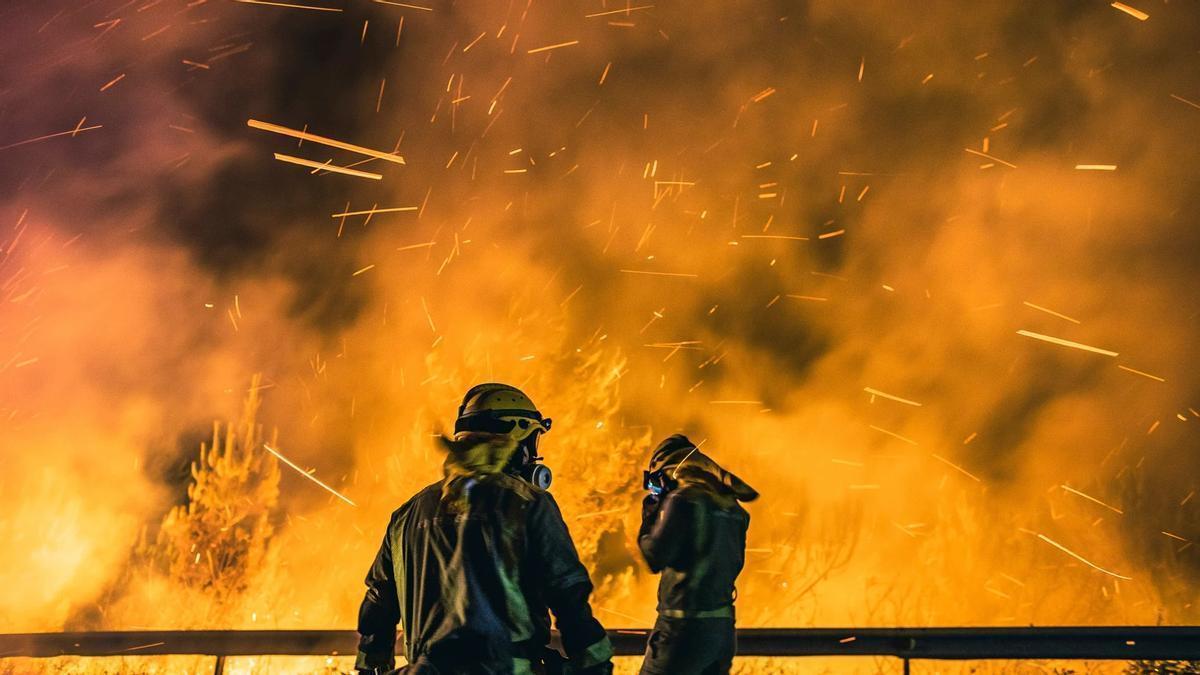
Researchers at the University of León (ULe) have built an artificial intelligence tool that can predict the risk of crown fires up to 16 days in advance, according to El Periódico. Crown fires — blazes that spread through the tops of trees — are considered the most dangerous type of forest fire because they move fast, burn intensely, and are extremely hard to stop once they ignite.
The tool marks a major step forward in wildfire prevention. Most current systems give warnings only a few days ahead. A 16-day window would give firefighters and local governments far more time to prepare, deploy resources, and protect communities at risk, La Nueva España reported.
Crown Fires Are the Deadliest Wildfire Threat
Not all forest fires are equal. Crown fires are the worst kind. They leap from treetop to treetop and can spread faster than people can run. They produce extreme heat and are nearly impossible to control once they start moving, Diario de Mallorca reported. Traditional ground fires are dangerous, but crown fires can swallow entire forests in hours.
Spain is especially vulnerable. The country has suffered devastating wildfire seasons in recent years. Thousands of hectares burn every summer, and climate change is making conditions worse. Higher temperatures, longer droughts, and stronger winds all increase the risk of the most extreme blazes, according to La Opinión de Málaga.
How the ULe AI System Works
The tool developed at ULe uses artificial intelligence to analyze weather data, forest conditions, and other environmental factors. By combining these inputs, the system calculates where crown fires are most likely to occur. It then issues a risk alert up to 16 days before a fire could break out, according to El Periódico de Aragón.
The system focuses on predicting the right conditions — not the fires themselves. High temperatures, low humidity, dry vegetation, and strong winds all feed into the model. When several danger factors line up at once, the AI flags a high-risk zone. This kind of early warning is something no existing tool could do before, Información reported.
A 16-Day Warning Window Changes Everything
The difference between a 2-day warning and a 16-day warning is enormous. With two weeks' notice, emergency services can move equipment to vulnerable areas. Local governments can alert residents and set up evacuation plans. Firefighting teams can be put on standby before a single flame appears, El Periódico Mediterráneo reported.
Current fire prediction tools in Spain typically offer short-range forecasts of just one to three days. The ULe system's 16-day horizon gives authorities a planning advantage that could save lives and prevent the loss of thousands of hectares of forest, according to La Provincia.
Spain Races to Use Technology Against Wildfires
Spain has been investing in new technologies to fight wildfires as climate conditions worsen. The ULe project joins a growing list of scientific efforts to use satellite data, sensors, and AI to protect forests. The new tool could eventually be integrated into national emergency planning systems, El Día reported.
Researchers have not yet announced a specific launch date for public or government use of the tool. But experts say the science behind it is solid. If adopted at a national level, the system could transform how Spain — and potentially other countries — prepares for the worst wildfire seasons, according to Diario de Córdoba.
Sentiment
NeutralPublishers
13
Articles
0
Reach
13