Europe's New Robotics Unicorn.
SoftBank Leads $200M Investment in Gravis, Creating Europe's Newest Robotics Unicorn.
Key Points
SoftBank was the sole investor in Gravis’ $200 million Series A, valuing the Zurich-based company at roughly €862 million post-money and cementing its status as Europe’s latest robotics unicorn.
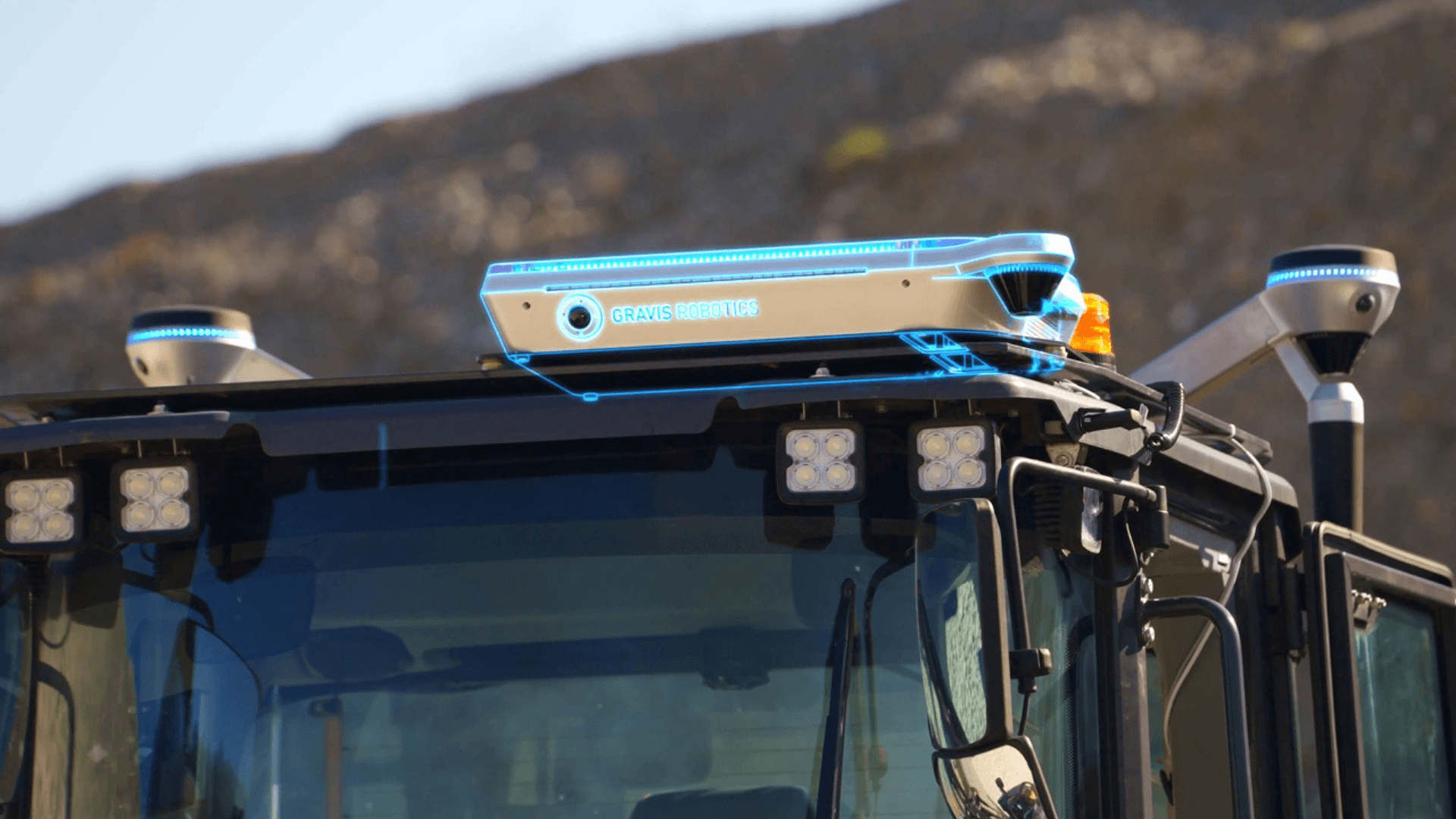
Gravis’ growth model centers on retrofitting existing excavators and heavy equipment with its Gravis Rack autonomous control kit and software, rather than building new machines.
The company uses learning-based robotic control and synthetic training to address the unscripted, variable conditions of live job sites, bridging the sim-to-real gap and enabling autonomous operation in complex terrains.
Gravis was founded in 2022 as a spinout from ETH Zurich, with co-founders Ryan Luke Johns and Dominic Jud and robotics researcher Marco Hutter serving as a board member.
SoftBank has poured $200 million into Zurich-based Gravis Robotics in what is the largest Series A ever raised in construction robotics, according to Sifted and Tech.eu. The round values Gravis at roughly €862 million post-money, making it Europe's newest robotics unicorn.
Gravis, a 2022 spinout from ETH Zurich, builds AI software that turns ordinary excavators and heavy machines into autonomous robots. SoftBank was the sole investor in the round, a rare show of concentrated conviction from Masayoshi Son's conglomerate, The Next Web reported.
SoftBank Bets Big on Construction Autonomy
The $200 million Series A is the largest single investment in construction robotics history, according to TipRanks. SoftBank went in alone, with no co-investors. That structure signals unusually strong conviction. The deal cements Gravis as one of Europe's most valuable robotics startups after just three years in operation.
The funding will go toward international expansion across four continents, growing the engineering team, and pushing Gravis' technology into infrastructure, data center, and energy projects worldwide, Finsmes reported. The company is moving fast. It was founded in 2022 and has already reached unicorn status without a prior institutional funding round.
Retrofit Kit Turns Old Excavators Into Autonomous Machines
Gravis does not build new machines. Instead, it bolts its Gravis Rack control kit onto existing excavators and heavy equipment. The kit adds software-defined autonomy to machines that construction companies already own. That approach cuts costs and speeds up deployment. Contractors do not need to buy a new fleet.
The company uses learning-based robotic control trained in simulated environments. It then transfers that training to real job sites — a process known as bridging the sim-to-real gap. This lets Gravis handle the messy, unpredictable conditions of live construction, like uneven terrain, mud, and shifting work zones, according to Tech.eu.
ETH Zurich Roots Give Gravis a Deep Research Edge
Gravis was spun out of ETH Zurich, one of Europe's top engineering universities, in 2022. CEO Ryan Luke Johns and CTO Dominic Jud are co-founders. Robotics researcher Marco Hutter, a professor at ETH Zurich known for his work on legged robots, is also a co-founder and sits on the board.
That academic foundation gives Gravis a research edge that most construction-tech startups lack. Its learning-based control systems draw directly from cutting-edge robotics science. Sifted noted that the company is targeting an industry plagued by labor shortages and stagnant productivity, two problems that autonomous heavy machinery could directly solve.
Europe's Physical AI Moment Arrives on the Job Site
Gravis is not alone in this space. Europe is seeing a wave of robotics startups targeting physical, real-world tasks — sometimes called physical AI. Construction is one of the hardest environments for robots to operate in. It changes daily. Gravis' raise of $200 million shows investors believe that problem is now solvable.
The deal also signals that SoftBank is looking beyond software and into hardware-enabled automation. For the construction industry, which has lagged far behind manufacturing in automation, the arrival of well-funded players like Gravis could mark a turning point, according to The Next Web.
Sentiment
Mostly PositivePublishers
11
Articles
0
Reach
11


