Soccer's Number 10 Explained
Understanding Soccer's 'Number 10': How Player Positions Historically Defined Jersey Numbers
Anonymous
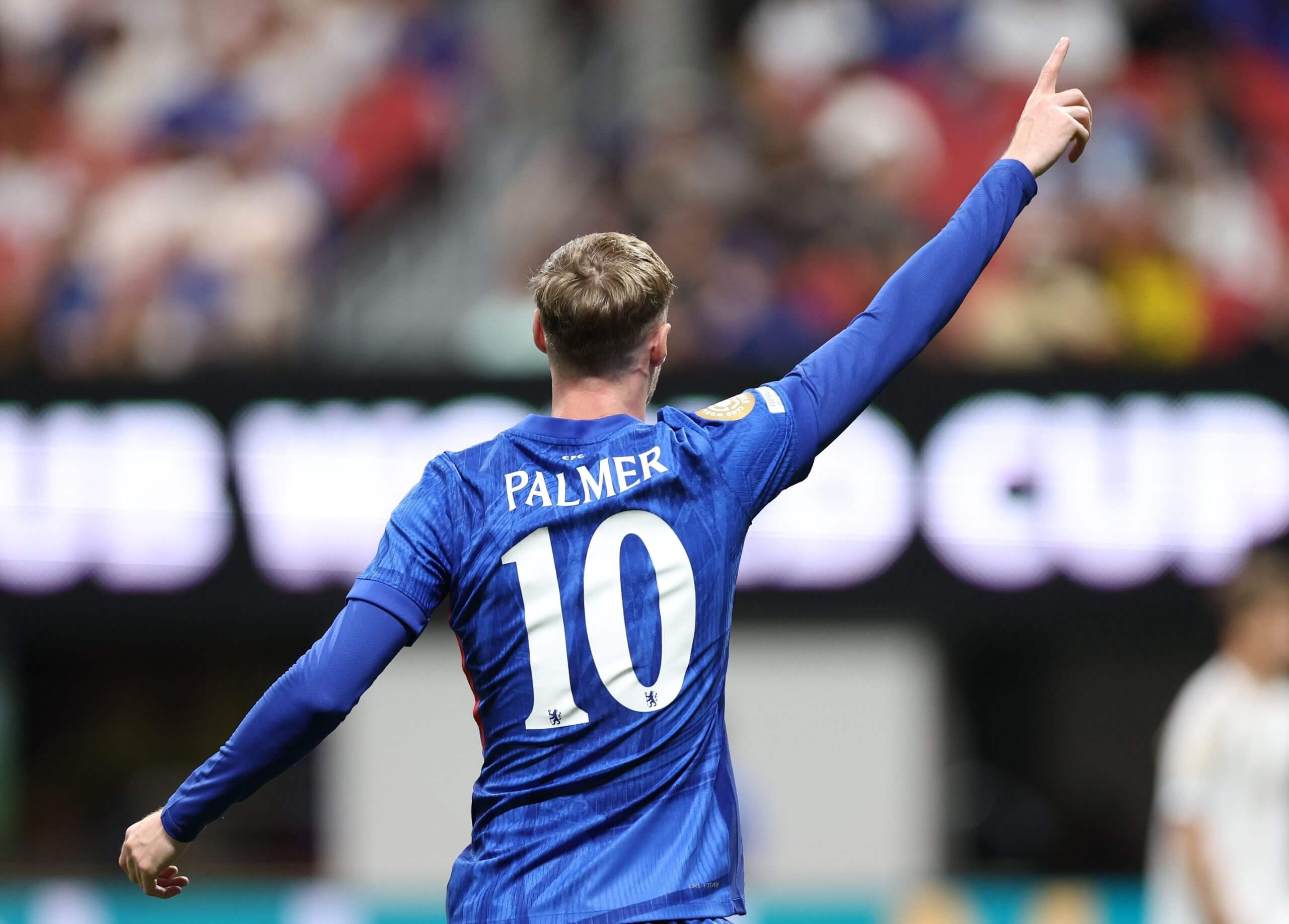
The term "number 10" is one of soccer's most celebrated labels — worn by legends like Pelé, Diego Maradona, and Lionel Messi. But what does it actually mean? According to Sporting News, a number 10 is an attacking midfielder who lines up near the front of midfield, typically sitting just behind the striker. The position is not just a jersey number — it carries deep roots in football history.
As the 2026 FIFA World Cup gets underway, the number 10 role is again drawing attention. Most teams will have a player filling that position, though Yahoo Sports notes they won't always wear the literal number 10 on their back. The title has become more symbolic than literal in the modern game.
How Jersey Numbers Got Tied to Field Positions
Numbers on football jerseys were first introduced in the early 20th century. The goal was simple: help fans and officials identify players on the field. Teams began assigning numbers based on where each player lined up. The player closest to the opponent's goal wore the highest numbers, while the goalkeeper wore number 1.
In a traditional formation, a team lines up with 11 players numbered 1 through 11. The goalkeeper is 1. Defenders get 2 through 5. Midfielders wear 6 through 8. The number 10 fell to the player just behind the main striker — the creative playmaker pulling the strings in attack. That link between position and number stuck for over a century, according to Sporting News.
What the Number 10 Actually Does on the Pitch
The number 10 is the team's chief creator. This player links midfield to attack. They pass, dribble, and find pockets of space to set up goals. Think of them as the brain of the offense. They do not just score — they make teammates score.
Yahoo Sports Canada describes the position as sitting "near the front of midfield" and operating behind the striker. In modern soccer, this is often called the "attacking midfielder" or "second striker" role. The best number 10s read the game faster than anyone else on the field. They turn half-chances into clear opportunities.
Legends Who Made the Number 10 Iconic
Few numbers in sport carry as much weight as the number 10 in soccer. Brazil's Pelé wore it at the 1958 World Cup — at just 17 years old. Argentina's Diego Maradona wore it when he almost single-handedly won the 1986 World Cup. Zinedine Zidane wore it for France. Each redefined what one player could do on a football field.
Today, Lionel Messi carries that torch. He wore number 10 for Argentina at the 2022 World Cup, where he finally won the trophy. The number has become a statement. Giving a player the number 10 shirt is a vote of confidence. It tells the world: this is our most creative, most dangerous player.
Why the Number 10 No Longer Means What It Once Did
Modern soccer changed the rules on squad numbers. At major tournaments and in top leagues, players now keep fixed squad numbers — not positional ones. A team's best playmaker might wear 7, 8, or even 22. According to Yahoo Sports, players at the 2026 World Cup may fill the number 10 role without wearing that number.
Still, the term lives on as a role description. Coaches still talk about needing a "number 10" in their lineup. The position itself has not disappeared — only the link to the jersey has loosened. The number 10 remains shorthand for soccer's most gifted creative player, no matter what digits appear on their back.
Sentiment
NeutralNEGATIVENEUTRALPOSITIVE
Publishers
3
Articles
3
Reach
4
A
AnonymousAuthor


