Beat the Heat: Fabric Science
Understanding Fabric Properties for Optimal Comfort in Extreme Heat Conditions
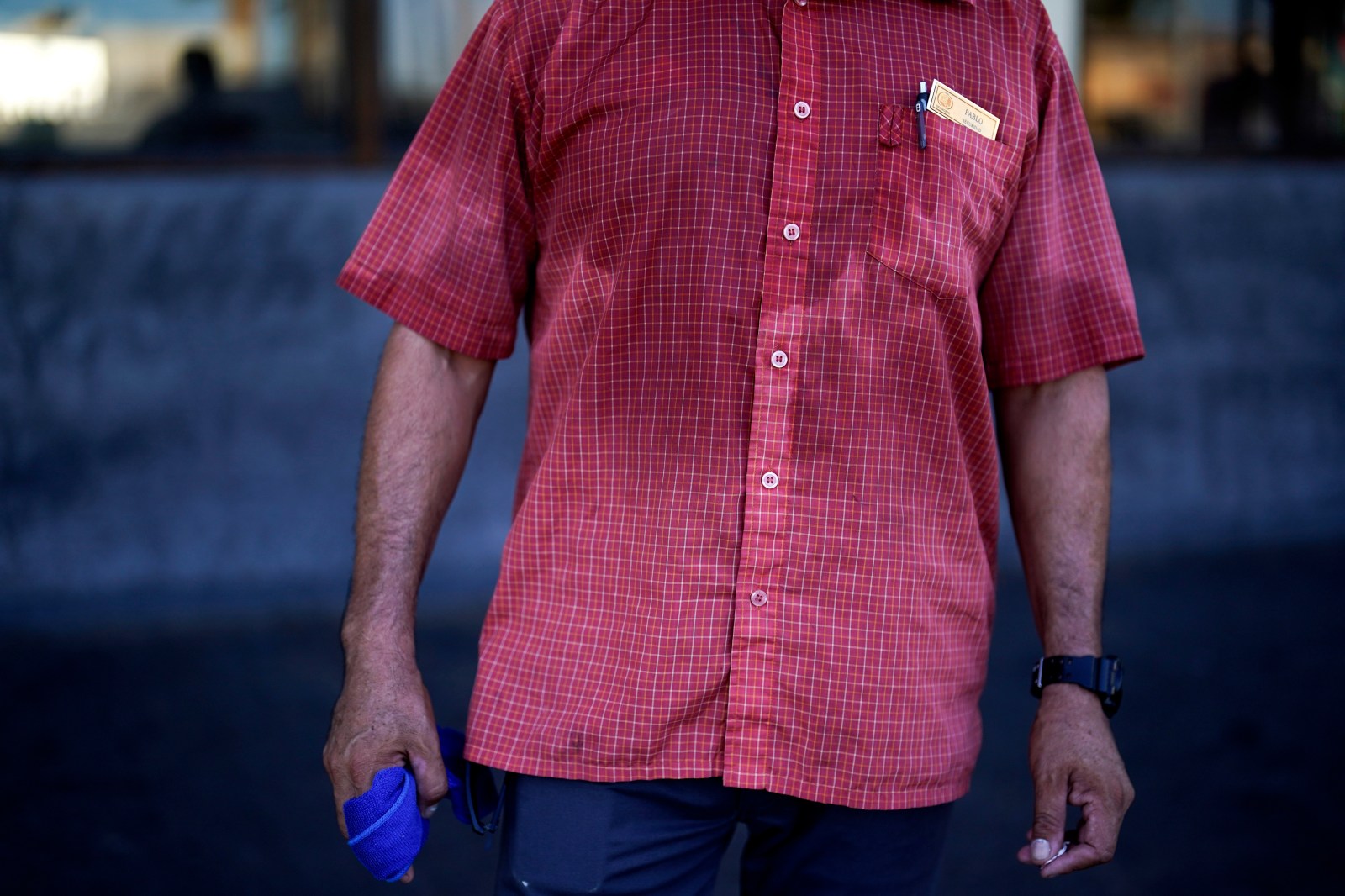
There is no single best fabric for extreme heat — and the reason why is more complicated than most people think. According to Newsday, the right choice depends on how heavy a fabric is, how it is made, how well it fits, and even what color it is.
Researchers from Loughborough University found that clothing is just one part of how the body handles heat. The fabric you choose should help — not block — your body's natural cooling system, according to Daily Gazette.
Why Airflow Matters More Than Fabric Alone
In hot weather, the most important thing a fabric can do is let air move through it and reach your skin. This property is called air permeability. News4Jax reports that how heavy a fabric is and how it is made both affect how easily air passes through it.
Open weave and loose knit structures allow the most airflow. George Havenith, an emeritus professor of environmental physiology and ergonomics at Loughborough University, says clothing should allow the body's natural response to heat to work — not fight against it, according to WBAL.
Cotton vs. Polyester: Each Has a Real Trade-Off
Natural fibers like cotton and linen are popular hot-weather choices for good reason. Seattle PI notes that cellulosic fibers — including cotton and flax, which is used to make linen — tend to be more breathable and feel more comfortable against the skin.
But cotton has a drawback. It absorbs sweat well at first, but it can get heavy and wet when saturated. Engineered polyester works differently — it moves moisture across the fabric so it evaporates faster, according to Las Vegas Sun. Neither fabric wins every situation.
Weight, Fit, and Color All Play a Role
Lighter fabrics generally perform better in the heat. But fit matters too. Loose clothing allows more air to circulate around the body than tight clothing does. MDJ Online points out that weight, construction, fit, and color can matter as much as the fabric type itself.
Color is often overlooked. Darker colors absorb more heat from the sun, while lighter colors reflect it. In direct sunlight, this difference can be significant. Click On Detroit reports that all of these factors — not just the material — shape how well clothing protects you from extreme heat.
The Bottom Line: No One Fabric Wins Every Time
Experts say there is no magic fabric for hot weather. The best choice depends on what you are doing, how much you sweat, and whether you are in direct sun or shade. Winnipeg Free Press reports that understanding how different fabrics work helps you make a smarter pick for the conditions you face.
For most people, lightweight, loose-fitting, light-colored clothing with an open weave is a strong starting point. Whether that means linen, cotton, or moisture-wicking polyester depends on the activity. The key is choosing something that lets your body do its job of cooling itself down, according to Yahoo News Canada.
Sentiment
NeutralPublishers
10
Articles
9
Reach
10


