US-Canada Tariff Conflict
Canada and the United States navigate an ongoing tariff war since January.
Anonymous
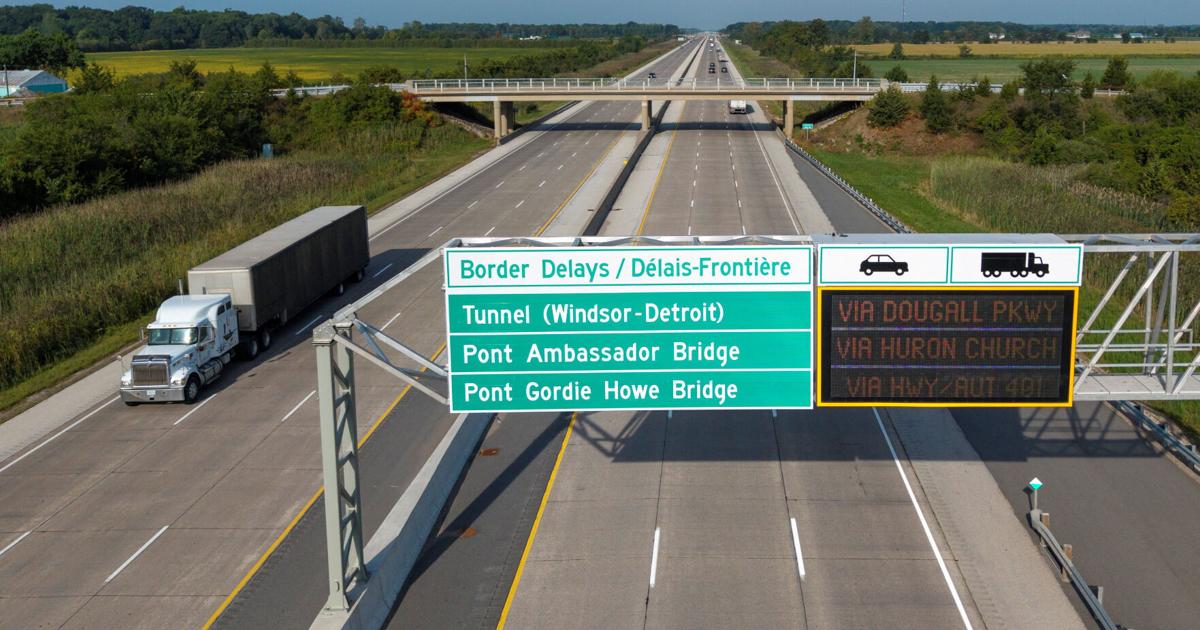
The U.S. and Canada have been locked in an escalating tariff war since President Trump returned to office in January 2025, with disputes over fentanyl, border security, and a controversial political ad campaign threatening billions in cross-border trade Waco Tribune. Initial 25% tariffs announced on February 1 triggered a cycle of retaliation that has grown into 50% duties on $20 billion in Canadian exports, with Canada firing back with tariffs ranging from 15% to 50% on American goods Star Herald.
What began as a dispute over fentanyl flows and illegal border crossings took a bizarre turn when Ontario Premier Doug Ford spent $75 million on a U.S. ad campaign featuring Ronald Reagan's 1987 warning against tariffs. President Trump called the ad "fraudulent" and "fake," abruptly terminating all trade negotiations in October 2025 Channel 3000.
Trump Launches Tariff War Over Fentanyl Concerns
On February 1, 2025, Trump announced 25% tariffs on most Canadian goods and 10% on energy. Canada immediately threatened a C$155 billion retaliatory package. The Trump administration paused the tariffs for 30 days to negotiate border security and drug trafficking issues OA Now.
On March 4, tariffs took effect. Canada fired back with 25% duties on C$30 billion of U.S. goods including orange juice, spirits, and appliances St. Louis Post-Dispatch. U.S. Trade Representative Jamieson Greer stated flatly: "America doesn't want to see another fentanyl death," framing trade as a national security issue Tulsa World.
Reagan Ad Campaign Derails Months of Quiet Talks
In October 2025, Ontario Premier Doug Ford launched a $75 million U.S. advertising campaign using audio from Ronald Reagan's 1987 speech warning that "high tariffs inevitably lead to retaliation... markets shrink and collapse." The campaign targeted American voters directly Rapid City Journal.
Trump responded with fury. He posted on Truth Social that Canada "fraudulently used" Reagan's voice and announced: "ALL TRADE NEGOTIATIONS WITH CANADA ARE HEREBY TERMINATED." The Reagan Presidential Foundation also condemned the ad Dothan Eagle.
Near-Deal Collapses as Tariffs Intensify
In August 2026, Canada and the U.S. came close to ending the dispute over threatened 50% tariffs on $20 billion in Canadian exports. But negotiations broke down Wisconsin News. On September 8, 2026, Canada's retaliatory tariffs officially took effect, ranging from 15% to 50% on U.S. goods Journal Times.
Prime Minister Mark Carney pledged firm retaliation to protect Canadian economic interests. Trade analysts noted the escalation threatens automotive, steel, aluminum, and agricultural supply chains. Neither side has signaled willingness to restart formal negotiations Greensboro News.
Fentanyl Claims Questioned as Border Reality Differs
Trump tied the tariffs to stopping fentanyl deaths, but U.S. Customs and Border Protection data shows less than 1% of seized fentanyl at American borders comes from Canada WCF Courier. Most illicit fentanyl enters through southern ports of entry, suggesting the northern border was a weak justification for tariffs.
Canadian officials and trade analysts said Washington used border security as cover for broader trade protectionism Fredericksburg. The dispute now threatens the 2020 United States-Mexico-Canada Agreement (USMCA), the three-nation trade deal that was supposed to replace NAFTA Press of Atlantic City.
Sentiment
NeutralNEGATIVENEUTRALPOSITIVE
Publishers
26
Articles
25
Reach
26
A
AnonymousAuthor


