Lunch Cost Insights
Economist: Packed vs. Bought Lunch Costs May Not Shift Much Despite Inflation
Anonymous
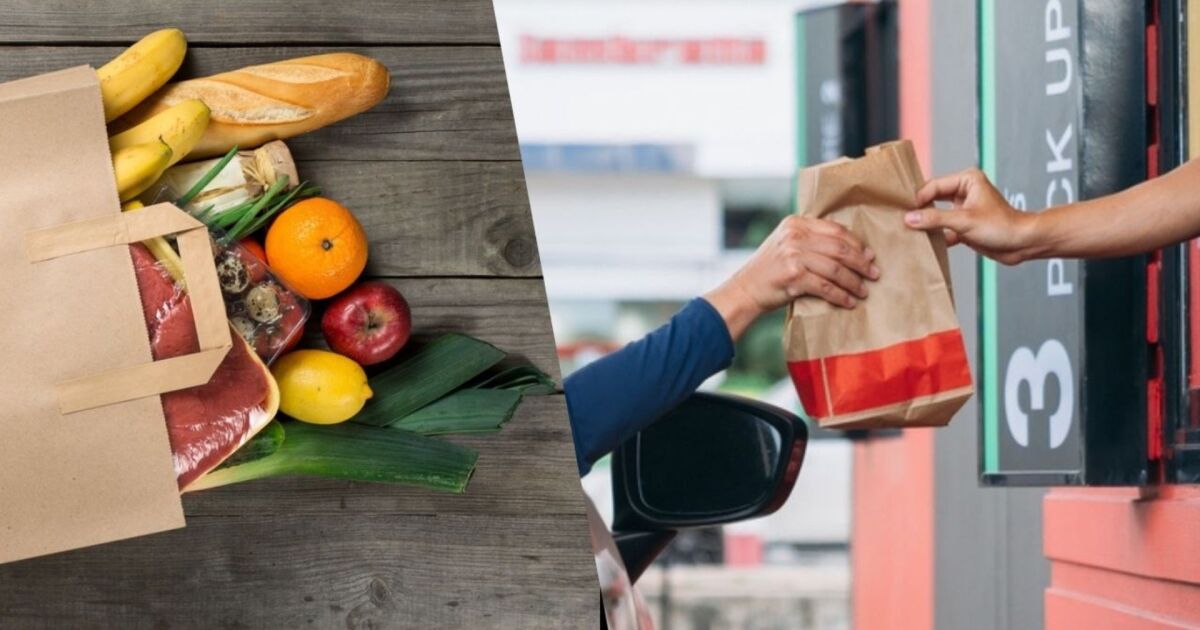
Packing your own lunch is still cheaper than buying it — but the gap is narrowing. According to ABC15, the U.S. Bureau of Labor Statistics found that grocery prices rose 2.7% over the past year, while eating out climbed 3.4% and fast food jumped about 3%.
The numbers suggest restaurant and fast-food prices are rising faster than grocery prices. But economists say the real picture is more complicated than it first appears.
Eating Out Costs More, But the Gap Is Shrinking
Both grocery stores and restaurants are getting more expensive. KOAA reports that eating out rose 3.4% year-over-year, compared to 2.7% for groceries. That means restaurant prices are rising about 0.7 percentage points faster. The difference exists — but it is smaller than many people might expect.
Fast food, once seen as the cheap fallback, is no longer a clear bargain. Prices at fast-food chains rose roughly 3% over the past year, according to 10 News. That puts fast food almost on par with groceries in terms of how quickly costs are climbing.
An Economist Warns Against Simple Comparisons
Peter McHenry, a professor of economics and public policy at William & Mary, says people should not assume the cost gap between home-packed and bought lunches has shifted dramatically. KRISTV reports McHenry cautioned that the comparison "may not shift as much as expected" given how both categories are rising.
McHenry stressed the importance of understanding why people make the choices they do. Buying lunch saves time. Packing lunch saves money. Those trade-offs are real — and differ from person to person. Simply looking at price indexes does not capture the full picture.
Hidden Costs That Make Home Lunch Harder to Calculate
Packing your own lunch is not as simple as comparing a sandwich to a burger. You have to buy ingredients, store them, and spend time preparing food. If you waste groceries or buy more than you need, your actual cost per meal goes up fast. These hidden costs rarely show up in price index data.
McHenry says people should think about all the consequences of their food decisions — not just the sticker price. That includes food waste, prep time, and whether buying lunch provides something a packed lunch cannot, like a break from the desk. According to KOAA, McHenry emphasized considering "all of the consequences of these decisions."
What the Numbers Mean for Your Wallet Right Now
If you buy lunch out every workday, you feel that 3.4% increase every single meal. On a $12 lunch, that is about 41 cents more per meal — or roughly $100 more per year for a five-day work week. Packing lunch still tends to cost less per meal in raw dollar terms.
But the smartest move depends on your habits. Wasting groceries, skipping meal prep, or grabbing convenience items at the store can erase the savings quickly. Economists like McHenry say the best approach is to track what you actually spend — not what the averages suggest you should.
Sentiment
NeutralNEGATIVENEUTRALPOSITIVE
Publishers
5
Articles
5
Reach
5
A
AnonymousAuthor


