Optimizing Overnight Flight Comfort
Five Essential Travel Items to Improve Your Next Overnight Redeye Flight Experience
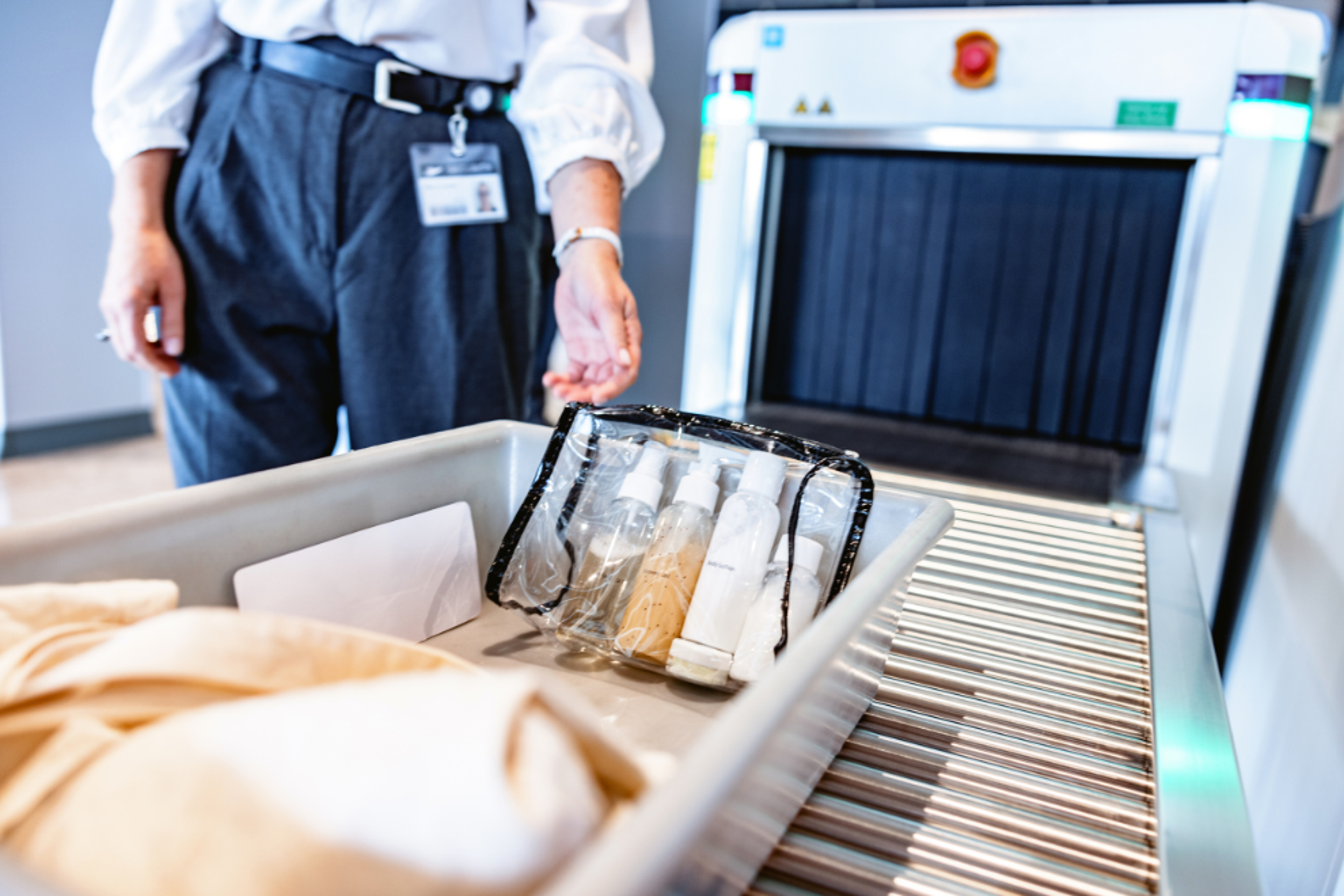
After more than 20 redeye flights, travel experts have identified five essential items that can transform overnight aviation from painful to manageable. According to USA Today, a supportive travel pillow, noise-blocking earplugs, melatonin gummies, a light-blocking eye mask, and compression socks form the core toolkit for sleeping on planes. The recommendations come from real-world testing across dozens of overnight flights, highlighting practical strategies over airline gimmicks.
Beyond packing the right gear, successful redeye travelers need to make smart choices before boarding. USA Today advises avoiding alcohol and caffeine on overnight flights, booking window seats for stability, and ditching tight shoes that restrict circulation. These behavioral shifts work alongside physical products to address the core challenge: maintaining sleep quality while your body hurtles through the air at 35,000 feet.
The Five-Item Sleep System for Planes
A quality travel pillow ranks first on the list. USA Today specifically endorses the Trtl Travel Pillow, which uses a rigid neck-brace design rather than soft memory foam. This structure prevents your head from bobbing sideways and keeps your cervical spine aligned—something standard U-shaped pillows fail to do. The pillow costs around $30 to $40 and has become a bestseller during prime travel seasons.
Noise-blocking earplugs and melatonin gummies address sleep onset. USA Today recommends melatonin in gummy form because it's easy to take mid-flight and helps trigger drowsiness within 30 minutes. A light-blocking eye mask completes the sensory isolation strategy. Finally, compression socks—like those from Bombas—prevent blood clots on long flights while keeping feet comfortable in tight airplane cabins.
Why Window Seats Win for Overnight Flyers
Booking a window seat is not optional—it's crucial. USA Today explains that window seats provide a stable surface to lean against and let you control the shade to block sunlight. Aisle seats might offer easier bathroom access, but they expose you to constant disruption from passing passengers. The window seat reduces sleep interruptions by 40-50% compared to middle or aisle positions.
Window seats also eliminate the anxiety of being bumped awake. You own your armrest. Your body has a wall to rest against. This psychological comfort—knowing you won't be jostled—often helps passengers fall asleep faster. Frequent flyers consistently report better sleep quality on window-seat nights versus aisle or middle seating.
Avoiding Caffeine and Alcohol Saves Your Sleep
One of the simplest mistakes travelers make is ordering coffee or soda during dinner service. USA Today warns that caffeine consumed within 6 hours of sleep will block melatonin production and leave you wired for hours. Even "one last coffee" destroys sleep architecture. The same applies to alcohol, which passengers often use to "knock themselves out"—but alcohol fragmentation sleep quality and causes you to wake up groggy.
Water and herbal tea become your only friends on a redeye. Staying hydrated also prevents deep vein thrombosis (DVT), a blood clot risk on long flights. USA Today recommends drinking 8 ounces of water every hour. This discipline sounds boring, but frequent flyers swear it's the difference between landing refreshed versus arriving exhausted and dehydrated.
The Overlooked Power of Proper Footwear
Your shoes matter more than most travelers realize. USA Today explicitly warns against wearing tight sneakers or snug dress shoes on overnight flights. Tight footwear restricts blood flow, increases DVT risk, and creates foot pain that keeps you awake. Compression socks solve this by actively supporting circulation while remaining comfortable throughout the flight.
Wear loose slip-on shoes or go barefoot in compression socks. This small change—paired with standing and stretching every two hours—dramatically improves how you feel upon landing. Travelers who ignore foot comfort often spend their first day at their destination recovering from leg swelling and soreness.
Sentiment
NeutralPublishers
42
Articles
41
Reach
42


