Immigrant Protections Strengthened
Supreme Court Generally Upholds Immigration Regulation, Eliminating Restrictions to Boost Foreigner Protection
Anonymous
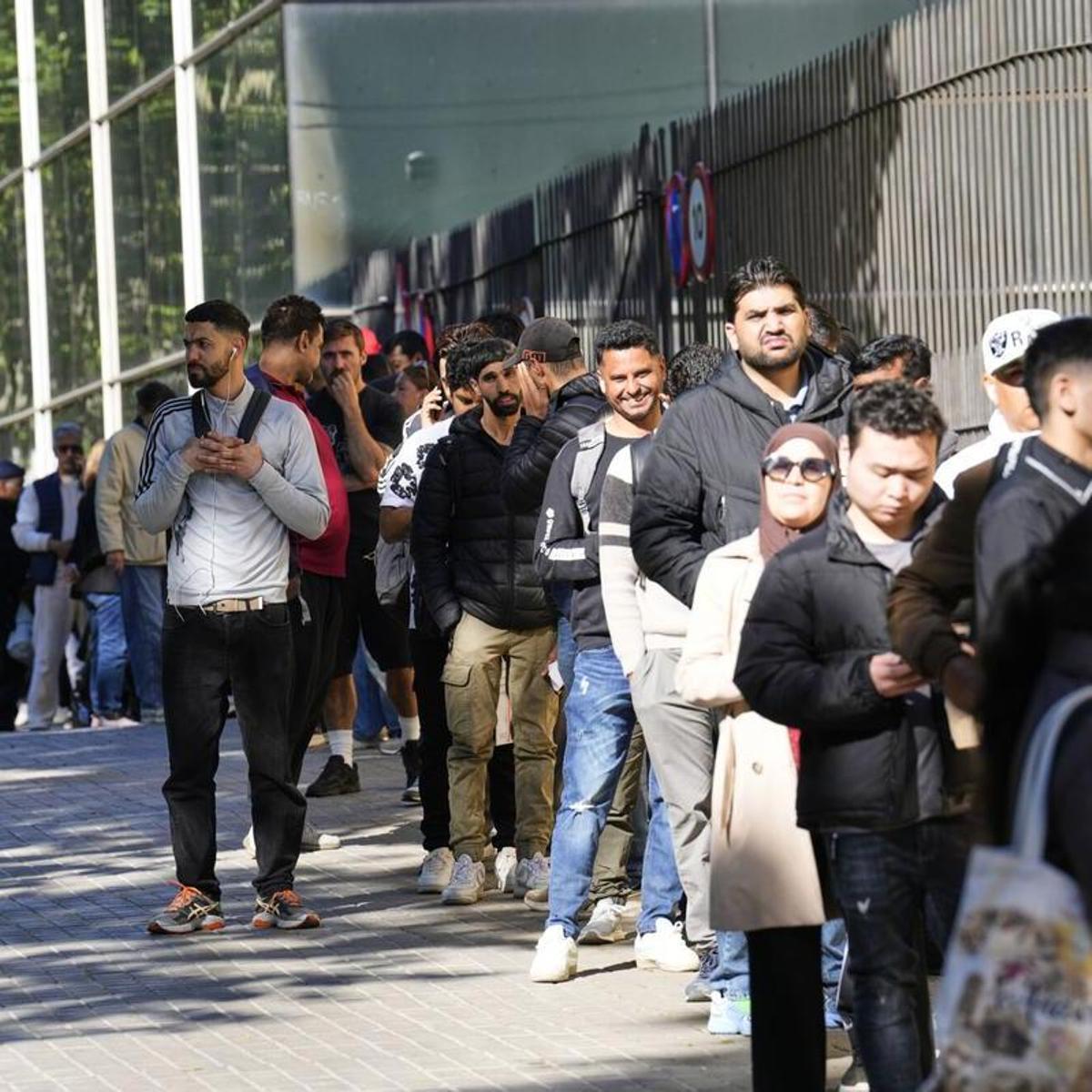
Spain's Supreme Court has largely upheld the Immigration Regulation approved by the government in 2024, but has struck down several key provisions to strengthen protections for foreign nationals. The ruling eliminates restrictions on the regularization process that the government had included in the regulation. Informacion.es and Levante-EMV both confirmed the decision, which marks a significant legal check on executive immigration policy.
The court's decision is a partial victory for immigration advocates. While the core of the regulation survives, the annulled sections directly affect the ability of irregular migrants to regularize their status in Spain. The ruling forces the government to revise those specific provisions.
Supreme Court Strikes Down Key Regularization Restrictions
The Supreme Court focused its annulments on parts of the regulation that made it harder for undocumented migrants to regularize their legal status. Regularization is the process by which a person without legal papers can gain official residency. The court found that these specific restrictions went too far and weakened protections the law is meant to guarantee. La Opinión de Murcia confirmed the annulments target those limiting clauses directly.
The rest of the 2024 regulation remains in force. The government's broader framework for managing immigration — including rules on visas, entry, and residency — was not overturned. Only the specific provisions tied to regularization were struck down. This means most of the regulation continues to apply as written.
What the 2024 Immigration Regulation Was Designed to Do
The government passed the Immigration Regulation in 2024 to update Spain's rules on how foreign nationals can live and work in the country. It covered a wide range of issues, from entry visas to long-term residency. One of its most debated sections dealt with the conditions under which irregular migrants could apply to become legal residents. Critics said those conditions were too strict. El Periódico Extremadura reported on the controversy surrounding those provisions at the time of passage.
Regularization processes are politically sensitive in Spain. Tens of thousands of people live in the country without legal status. Any rule that makes it easier or harder to regularize has a direct impact on those individuals. The court's decision signals that the judiciary sees firm limits on how restrictive those rules can be.
Ruling Reinforces Judicial Limits on Government Immigration Powers
The Supreme Court's decision is part of a broader pattern of Spanish courts reviewing executive immigration decisions. By annulling parts of the regulation, the court made clear that the government cannot freely tighten regularization rules without running into legal limits. La Opinión de Zamora and La Opinión de A Coruña both noted that the ruling sets an important precedent for future immigration policy.
The government will now need to rewrite the annulled sections to comply with the ruling. Until new rules are issued, the legal gap left by the annulment could benefit migrants who were blocked from applying for regularization under the old provisions. Legal experts expect the government to move quickly to draft replacement text. El Periódico Mediterráneo reported the ruling requires immediate action from the executive.
Sentiment
NeutralNEGATIVENEUTRALPOSITIVE
Publishers
10
Articles
0
Reach
10
A
AnonymousAuthor


