NATO Summit Crackdown
Turkey detains 103 activists and journalists, banning public acts before NATO summit
Anonymous
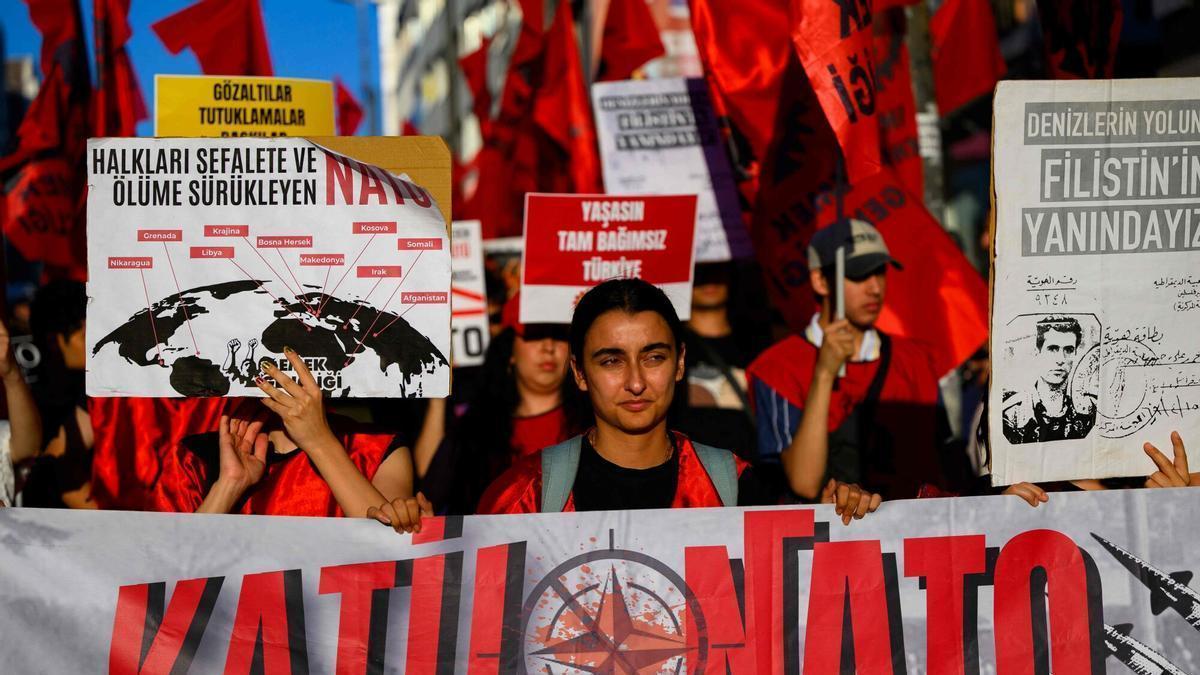
As NATO leaders gathered in Turkey for their annual summit, the Turkish government launched a sweeping crackdown on dissent. Authorities detained hundreds of people across the country and placed 103 of them in pretrial detention, according to La Opinión de Málaga. Those arrested include activists, journalists, academics, and left-wing political figures — all charged with 'terrorism.'
Human rights organizations condemned the arrests as a deliberate move to silence protest during the high-profile summit. Turkish authorities also banned all public gatherings, making street demonstrations illegal for the duration of the NATO meeting, Levante EMV reported.
103 Held in Preventive Detention Before Summit Begins
Turkish courts ordered pretrial detention for 103 people in the days leading up to the NATO summit. The arrests targeted a wide range of civil society figures. Activists, journalists, academics, and left-wing organizers were all swept up in the operation, according to Diario de Mallorca. The charge in each case: terrorism.
The scale of the detentions alarmed rights groups. Pretrial detention in Turkey can last months or even years. Critics say the terrorism label is routinely used to silence political opponents. El Correo Gallego noted that the arrests came in a coordinated wave timed directly to the NATO gathering.
Total Ban on Public Gatherings Across Turkish Cities
Beyond the arrests, Turkish authorities issued a blanket ban on all public acts and demonstrations. The ban covers the entire period of the NATO summit. No marches, rallies, or public assemblies of any kind are permitted, according to Diario de Ibiza. Violators face arrest.
The move effectively shuts down any organized opposition to the summit on Turkish soil. Anti-NATO sentiment runs deep among left-wing and Kurdish political groups in Turkey. The government made clear it would not allow visible protest while world leaders were present, El Día reported.
Rights Groups Slam Turkey's Crackdown as Political Repression
Human rights organizations were swift to condemn the detentions. They argue the Turkish government is using the NATO summit as cover for a broader assault on civil liberties. Labeling peaceful activists and journalists as terrorists is a well-documented tactic, critics say, according to Diario Córdoba.
Turkey has a long history of using anti-terrorism laws against political opponents, particularly Kurdish activists and left-wing groups. The timing of the crackdown — tied directly to a major international event — drew extra scrutiny. La Provincia noted that the arrests drew criticism not just domestically but from international observers watching the summit.
NATO Summit Spotlight Shines on Turkey's Democratic Record
The crackdown puts a spotlight on a long-standing tension within NATO. Turkey is a full member of the alliance but regularly draws criticism for its treatment of journalists and political dissidents. Hosting the summit gives Ankara a platform — but also exposes its domestic policies to international scrutiny, according to Información.
For many observers, the arrests undercut the democratic values NATO claims to represent. While leaders inside the summit hall discussed collective security and shared values, hundreds of people sat in detention outside, charged with terrorism for their political views. El Periódico de Aragón described it as the 'cara b' — the hidden side — of the summit.
Sentiment
NeutralNEGATIVENEUTRALPOSITIVE
Publishers
18
Articles
0
Reach
18
A
AnonymousAuthor


