Press Freedom Under Threat
Reporters Without Borders Warns Democracies Increasingly Use National Security to Restrict Journalists
Anonymous
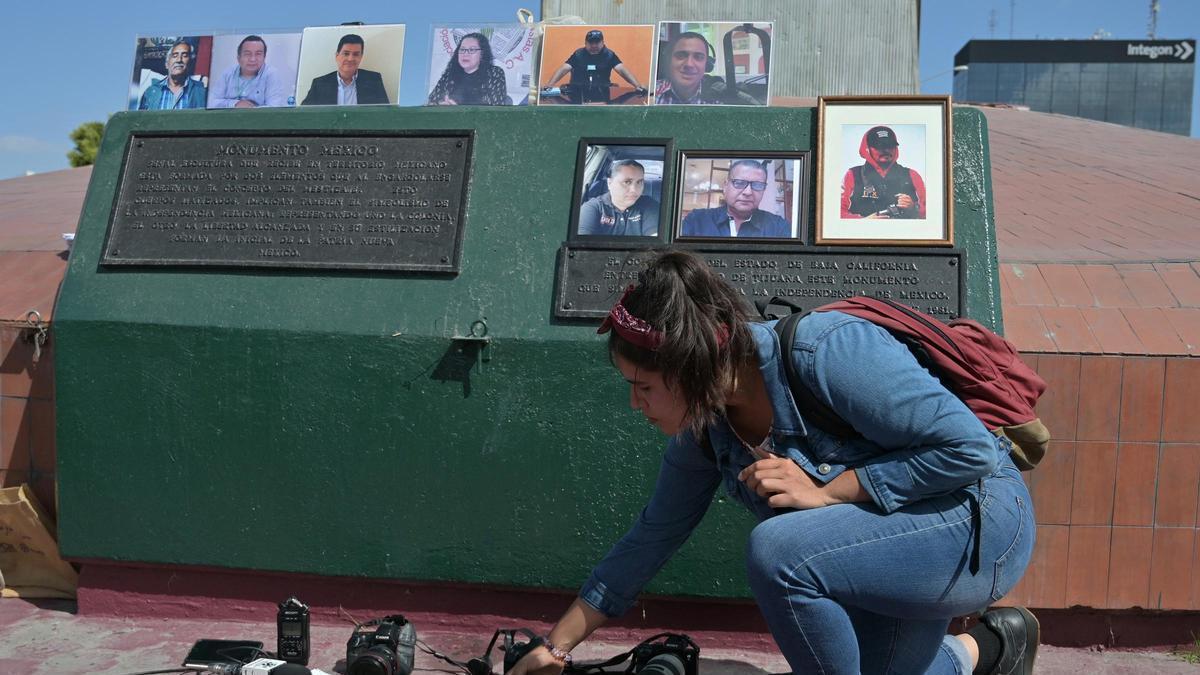
Reporters Without Borders (RSF) has sounded the alarm over a growing global trend: governments are increasingly using national security as a pretext to silence journalists. The organization warns that this practice is no longer limited to authoritarian regimes — it is spreading into established democracies, including those in Europe. La Opinión de Zamora and more than a dozen Spanish outlets reported the alert simultaneously.
RSF says the pattern is clear and dangerous. States invoke national security laws to restrict reporting, prosecute sources, and justify surveillance of the press. The result is self-censorship on a wide scale — journalists stop asking hard questions before anyone even threatens them.
Democracies Are Using the Same Playbook as Autocracies
RSF's warning carries a striking message: you do not need to live under a dictatorship to face state-backed press repression. According to Levante-EMV, the organization points to consolidated European democracies as examples of this troubling shift. Governments frame journalism as a threat to the state rather than a pillar of it.
This blurring of lines between authoritarian and democratic behavior is what RSF calls most alarming. When democracies adopt the tools of autocracies — secret surveillance, broad security laws, prosecution of sources — it becomes harder for citizens to distinguish between them. Press freedom erodes quietly, without a coup or a crackdown.
National Security Laws Become Weapons Against the Press
The mechanism RSF describes works like this: a government passes or expands national security legislation. Then it uses that law not against foreign spies, but against reporters who publish inconvenient truths. According to El Correo Gallego, this legal cover makes repression look legitimate — even judicial.
The impact on journalists is direct. Sources refuse to talk. Editors kill stories. Reporters face prosecution for doing their jobs. Información notes that RSF highlights this chilling effect as one of the most damaging consequences — because censorship imposed by fear leaves no visible fingerprints.
RSF Calls Out a Global Trend With Local Consequences
RSF's denunciation is not aimed at one country or one government. It describes a worldwide pattern. Diario de Mallorca reported that the organization sees this trend accelerating, with more states adopting security-based justifications to limit what journalists can report, publish, or even investigate.
The stakes are high for ordinary citizens too. When journalists cannot report freely, corruption goes unchecked, abuses stay hidden, and power goes unaccountable. According to El Periódico de Aragón, RSF urges both governments and civil society to push back — because press freedom is not just a journalists' issue, it is everyone's issue.
Europe Faces a Mirror It May Not Want to Look Into
Perhaps the most uncomfortable part of RSF's message is directed at Europe. El Día and LNE both reported the organization's warning that European democracies are not immune. Countries long seen as models of press freedom are adopting practices that would have once been condemned if used elsewhere.
RSF does not name every government involved, but the message is unmistakable. Labeling journalism as a national security risk is a political choice — not a legal necessity. The organization calls on European institutions to set clear limits on how security laws can be used against the press, before the damage becomes irreversible.
Sentiment
NeutralNEGATIVENEUTRALPOSITIVE
Publishers
18
Articles
0
Reach
18
Topics
A
AnonymousAuthor


