Big 12 Football Reshaped
Big 12 College Football Programs See Hierarchy Wildly Change with Newcomers Reigning Supreme
Anonymous
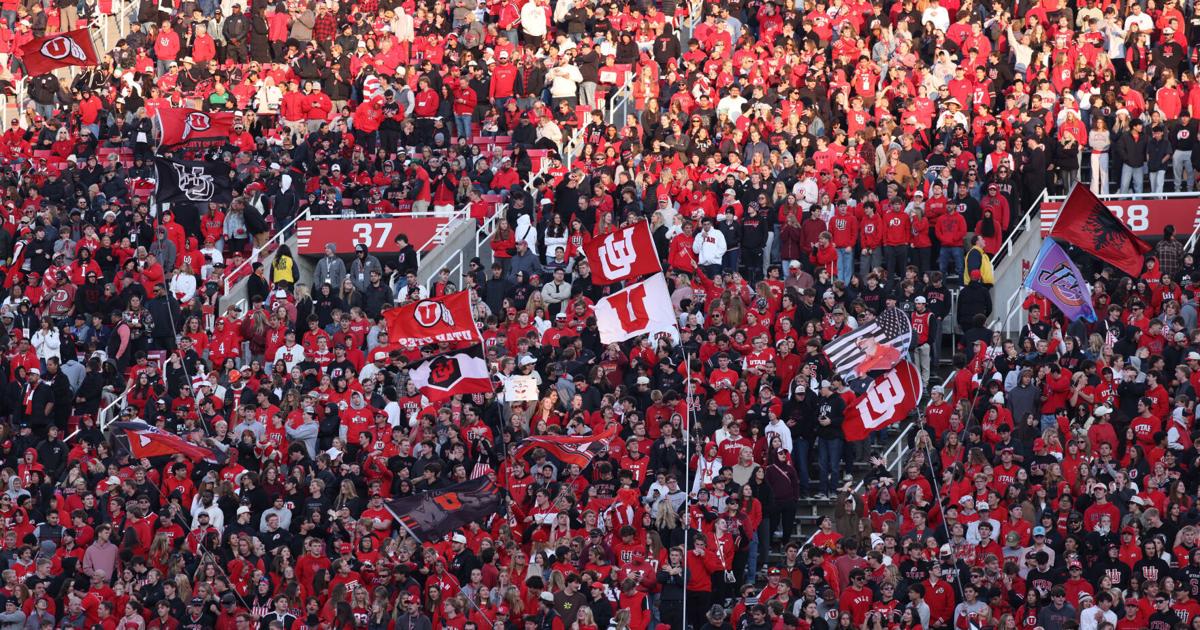
No Power Four conference has seen its football hierarchy flip more dramatically in the 21st century than the Big 12, according to Billings Gazette. The conference lost Nebraska in the early 2010s, then watched its two biggest brands — Texas and Oklahoma — bolt for the SEC. What remained has been reshaped by a wave of newcomers who now sit at the top of the pecking order.
The Big 12 expanded aggressively in recent years, adding programs from the Pac-12 and other conferences. Those new arrivals have quickly established themselves as the conference's premier programs, leaving legacy members scrambling to keep up, Channel 3000 reported.
Texas and Oklahoma's Exit Reshapes the Conference Power Map
For decades, Texas and Oklahoma were the undisputed kings of the Big 12. Their combined recruiting pull, revenue, and national titles made every other program a distant second. When both schools announced their move to the SEC, the Big 12 lost its two most recognizable names overnight. That void created a genuine power vacuum — and new programs were eager to fill it, according to Tulsa World.
Nebraska's earlier departure for the Big Ten also stripped the conference of a historic brand. The Big 12 went from housing three of college football's most storied programs to rebuilding its identity entirely, Waco Tribune noted.
Newcomers Like Colorado and Utah Climb to the Top
Programs that joined the Big 12 from the Pac-12 have risen fast. Colorado, under head coach Deion Sanders, has become one of the most talked-about programs in the country. Sanders has built a recruiting machine that draws national attention. The Journal Times reported that Sanders is assembling his best high school recruiting class yet, pulling talent from states like Florida — well outside traditional Big 12 territory.
Utah and other former Pac-12 members brought winning cultures and proven coaching staffs with them. These programs didn't need years to adjust. They arrived competitive and have stayed that way, pushing older Big 12 members down the conference rankings, according to Rapid City Journal.
Legacy Programs Struggle to Reclaim Former Glory
Schools like Baylor, TCU, and Kansas State built strong runs in the 2010s and early 2020s. But holding that ground has proven difficult. The expanded conference brought stiffer competition every week. Programs that once controlled their schedules now face tougher matchups from top to bottom, NWI Times reported.
Kansas State and Baylor remain competitive, but neither has firmly established itself as the clear conference leader in the post-Texas, post-Oklahoma era. The conference title race has become genuinely unpredictable, with no single program asserting sustained dominance, according to The Eagle.
What the New Big 12 Hierarchy Looks Like Today
The current Big 12 pecking order is still being written. Colorado's brand power under Sanders, combined with the on-field strength of programs like Utah and Arizona State, puts newcomers clearly ahead. The conference has gone from a two-school power structure to a wide-open competition with no clear dynasty in sight, Bismarck Tribune noted.
That unpredictability could actually help the Big 12's national profile. More programs with a realistic shot at the College Football Playoff means more fan interest across more markets. The conference that looked broken after losing its biggest names may be building something more balanced — and more competitive — than what came before, according to Greensboro News.
Sentiment
NeutralNEGATIVENEUTRALPOSITIVE
Publishers
24
Articles
23
Reach
24
A
AnonymousAuthor


