Secure Edge AI
1stProtect and Multiverse Computing Partner for Secure Edge AI Inference Without Cloud Dependence
Anonymous
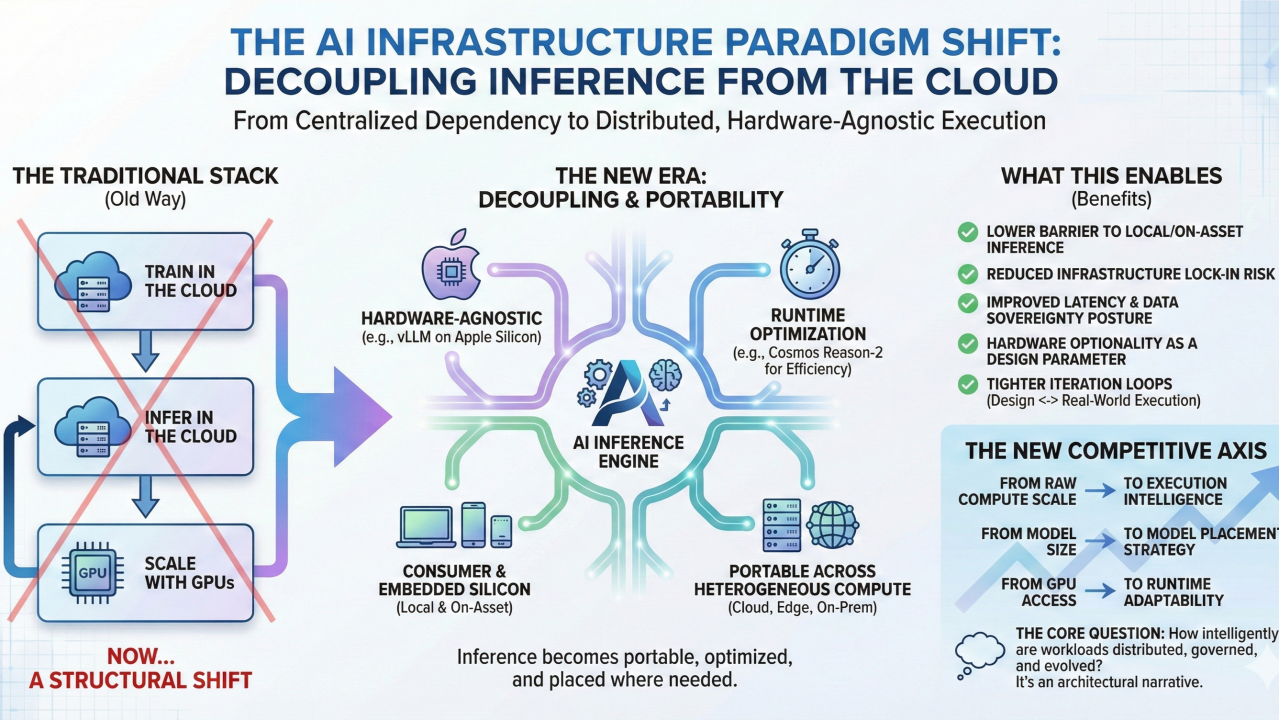
1stProtect and Multiverse Computing have teamed up to bring secure AI directly to devices — no cloud connection needed. The partnership combines Multiverse's quantum-inspired model compression with 1stProtect's real-time runtime enforcement, letting enterprises run powerful AI entirely on-device, according to National Post.
The move targets industries where sending data to the cloud is risky or simply not possible. Defense systems, hospitals, power grids, and financial firms often can't afford the cost, latency, or data-exposure risks that come with cloud-based AI, Ottawa Sun reported.
Cloud AI Creates Real Problems for Regulated Industries
Cloud inference — sending data to a remote server to run an AI model — is expensive and slow. It also forces companies to send sensitive data off-site, which breaks data-sovereignty rules in many regulated sectors. For industries like healthcare and defense, that's a dealbreaker, The Sudbury Star noted.
Connectivity is another problem. Air-gapped systems and operational-technology (OT) networks — think factory floors or military installations — often have no reliable internet access. Cloud AI simply doesn't work in those environments, Northern News reported.
Quantum-Inspired Compression Shrinks AI to Fit on Devices
Multiverse Computing's core technology uses quantum-inspired methods to compress large AI models. The goal is to make those models small enough to run on local hardware without losing performance. This is the key to making on-device AI practical, according to National Post.
1stProtect layers on real-time runtime enforcement — a security system that watches AI behavior as it runs and stops anything that falls outside set rules. Together, the two technologies aim to deliver AI that is both lean and locked down, The Whig reported.
Defense, Healthcare, and Critical Infrastructure Are the Targets
The integrated solution is built for some of the hardest AI deployment environments on the planet. Air-gapped military networks, hospital systems handling patient data, power-grid control systems, and financial services platforms all face strict rules about where data can go and how fast AI must respond, Daily Herald Tribune reported.
Low latency — meaning fast response time — is critical in these settings. A power-grid AI that waits two seconds for a cloud response could allow a dangerous fault to spread. Running the model on-device cuts that delay to near zero, Cochrane Times Post noted.
Partnership Signals a Broader Push Away From Cloud Dependence
The deal reflects a growing industry shift. More enterprises are questioning whether cloud AI is worth the cost and risk. The two companies are positioning their combined platform as a first-of-its-kind solution for private, high-performance AI at the edge, Stratford Beacon Herald reported.
The partnership is designed to scale across sectors where data sovereignty, unreliable connectivity, or strict latency requirements make cloud AI impractical. No financial terms of the deal were disclosed, Pembroke Observer noted.
Sentiment
NeutralNEGATIVENEUTRALPOSITIVE
Publishers
14
Articles
14
Reach
14
Topics
A
AnonymousAuthor


