Hydrogen Engine Powers Zero-Carbon Future
Weichai Power Unveils World's First China VI-Compliant Heavy-Duty Hydrogen Engine for Zero-Carbon Transport
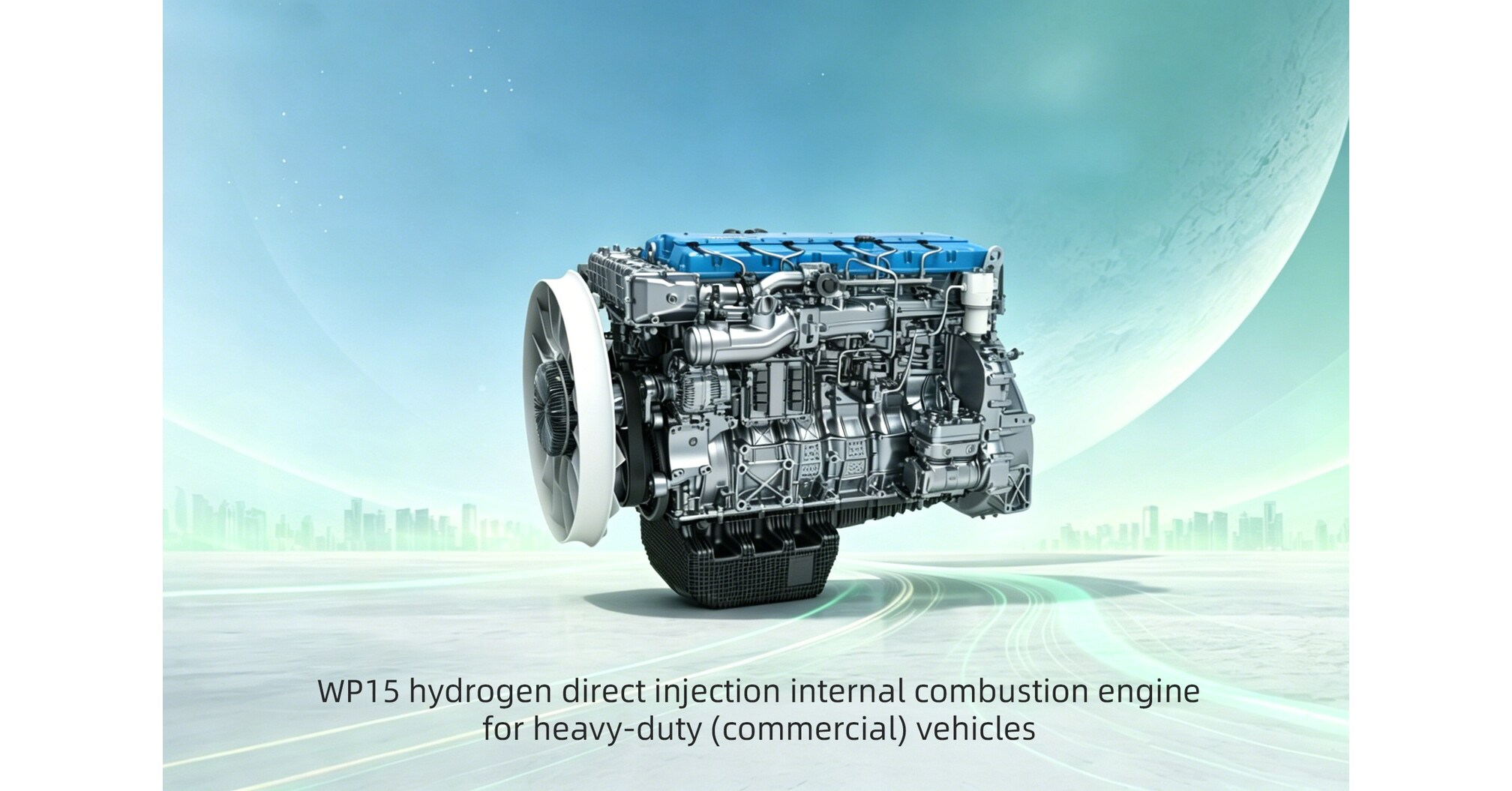
Weichai Power has launched the WP15, the world's first heavy-duty hydrogen internal combustion engine to pass China's toughest vehicle emission standard, according to PR Newswire. The engine cleared the full China VI certification tests at the CATARC Automotive Test Center in Tianjin — a milestone that pushes zero-carbon heavy-duty trucking closer to commercial reality.
The WP15 packs a 14.6-liter displacement and delivers up to 600 horsepower and 2,800 N·m of torque. It burns hydrogen instead of diesel, producing no carbon emissions from the exhaust pipe. Newswire reports the engine also achieves a maximum brake thermal efficiency of 46.8% — meaning nearly half of the fuel's energy is converted into useful power, a strong figure for any combustion engine.
What China VI Certification Actually Means
China VI is China's strictest vehicle emission standard. It sets tight limits on pollutants like nitrogen oxides and particulate matter. Passing the full operating cycle test — not just a partial one — is the hard part. No heavy-duty hydrogen engine had cleared this bar before, according to PR Newswire.
The certification was conducted at CATARC, a government-linked automotive testing authority. Earning that stamp of approval matters because it means the WP15 can legally operate on Chinese roads under current regulations. That clears a major hurdle for fleet operators considering hydrogen trucks.
Power and Efficiency Numbers That Rival Diesel
The WP15's 600-horsepower output puts it in the same league as high-end diesel engines used in long-haul freight. Its 2,800 N·m of torque means it can handle heavy loads on hills and highways. These are not experimental figures — they come from a certified test environment, Market Screener noted.
The 46.8% brake thermal efficiency is a standout number. Most conventional diesel engines run between 40% and 45% efficiency. Hitting 46.8% on hydrogen shows the fuel can compete on performance, not just on emissions. Weichai is positioning the WP15 as a drop-in upgrade, not a compromise.
Lower Costs Make Hydrogen Trucks More Practical
One of the biggest barriers to hydrogen trucking has been cost. The WP15 is designed to cut production, retrofitting, and maintenance expenses compared to earlier hydrogen engine designs, according to Newswire. That matters because fleet operators make buying decisions based on total cost, not just fuel type.
Retrofitting existing trucks with hydrogen engines is also part of the picture. If the WP15 can fit into platforms that already run diesel, adoption becomes faster and cheaper. Weichai has not yet published full pricing, but the cost reduction focus signals the company is targeting real commercial fleets, not just pilot programs.
Weichai Bets on Hydrogen as Heavy Transport's Future
Weichai Power, listed on the Hong Kong Stock Exchange under ticker 2338, is one of China's largest engine makers. The WP15 launch fits into a broader Chinese push to decarbonize freight, which accounts for a large share of the country's transport emissions. Heavy trucks are hard to electrify because of weight and range limits on batteries.
Hydrogen internal combustion engines offer a middle path. They use existing engine technology but swap out the fuel. That makes them easier to manufacture and service than hydrogen fuel cell systems. With the WP15 now certified, Weichai is first to market with a compliant product — giving it a head start in what could become a fast-growing segment, Newswire reported.
Sentiment
NeutralPublishers
5
Articles
4
Reach
5


