Sarasota Water Health
Florida agencies issue water quality advisories for Sarasota ahead of Fourth of July activities
Anonymous
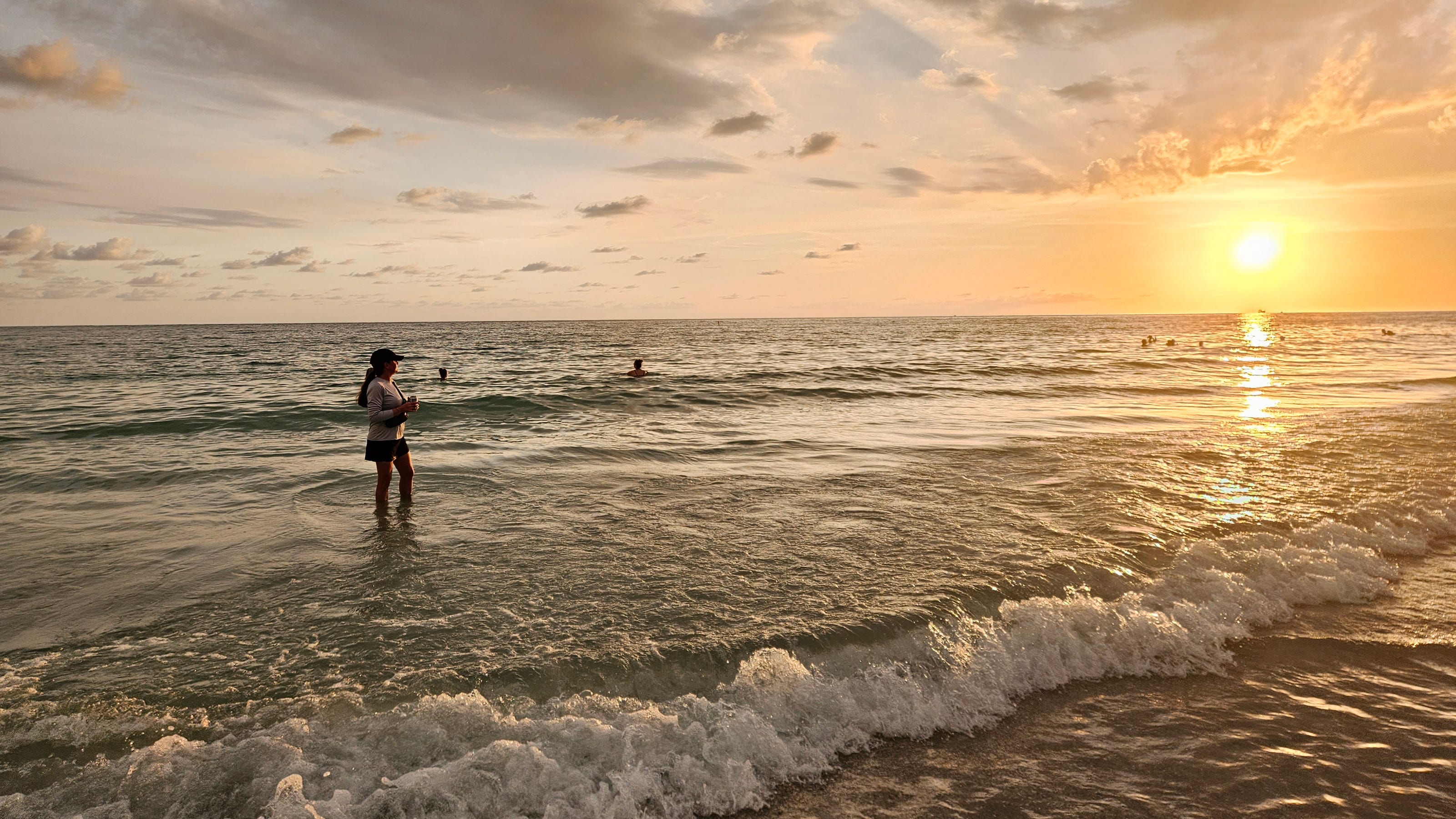
Health advisories are in effect for Sarasota-area waters this Fourth of July, with both red tide and blue-green algae posing risks to swimmers and beachgoers, according to Herald Tribune and Florida Today. The Florida Department of Health and the Florida Fish and Wildlife Conservation Commission have both issued warnings ahead of one of the busiest beach days of the year.
Anyone planning a swim or fishing trip in Sarasota should check the latest advisories before heading out. Exposure to these algae blooms can cause skin irritation, stomach cramps, nausea, and vomiting. High exposure can even lead to respiratory problems and a serious illness called neurotoxic shellfish poisoning.
Red Tide and Blue-Green Algae Hit Sarasota Waters
Two separate threats are present in Florida waters this holiday weekend. Red tide is a harmful algae bloom that forms in saltwater along the coast. Blue-green algae, also called cyanobacteria, grows in freshwater rivers and lakes. Both can make people and animals very sick, according to Naples News.
The Florida Environmental Protection Agency and the FWC have posted health advisory notices specifically for Sarasota. These advisories warn people to stay out of affected water. They also warn against eating shellfish from those areas. Shellfish like oysters and clams can absorb toxins from red tide.
Symptoms to Watch for After Water Contact
Swimmers who enter water with red tide may feel burning or itching on their skin. They may also cough or wheeze if they breathe in sea spray near a bloom. People with asthma are at higher risk of serious breathing trouble, according to Palm Beach Daily News.
Blue-green algae can cause stomach cramps, diarrhea, and vomiting if swallowed. It can also irritate the skin and eyes on contact. Pets that drink or swim in affected water face serious danger. Dogs have died after exposure to blue-green algae blooms in Florida in past years, Tallahassee reported.
How to Check Conditions Before You Head to the Beach
Florida tracks red tide levels daily. The FWC posts updated maps on its website showing where blooms are present and how strong they are. Levels are rated as background, low, medium, or high. High concentrations are when health risks become most serious, according to News Journal Online.
The Florida Department of Health also posts beach water quality reports by county. Sarasota County residents can look up their specific beach before visiting. St. Augustine Record and other local outlets note that conditions can change quickly, so checking the morning of your trip is best.
Safety Tips for July 4 Beachgoers in Florida
Health officials urge people to avoid swimming in discolored water. Water affected by red tide can look rust-colored or brown. Blue-green algae blooms often look like green paint or foam on the surface. If you see it, stay out of it, NWF Daily News reported.
Do not eat shellfish caught in advisory areas, even if it looks fine. Cooking does not destroy red tide toxins. Wash off with fresh water after any ocean swim. If you feel sick after swimming, contact a doctor right away and mention your water exposure, according to Florida Today.
Sentiment
NeutralNEGATIVENEUTRALPOSITIVE
Publishers
9
Articles
8
Reach
9
A
AnonymousAuthor


