Vitamin D for Stroke Recovery
Badajoz Hospital Study Confirms Vitamin D Aids Stroke Recovery and Neurorehabilitation
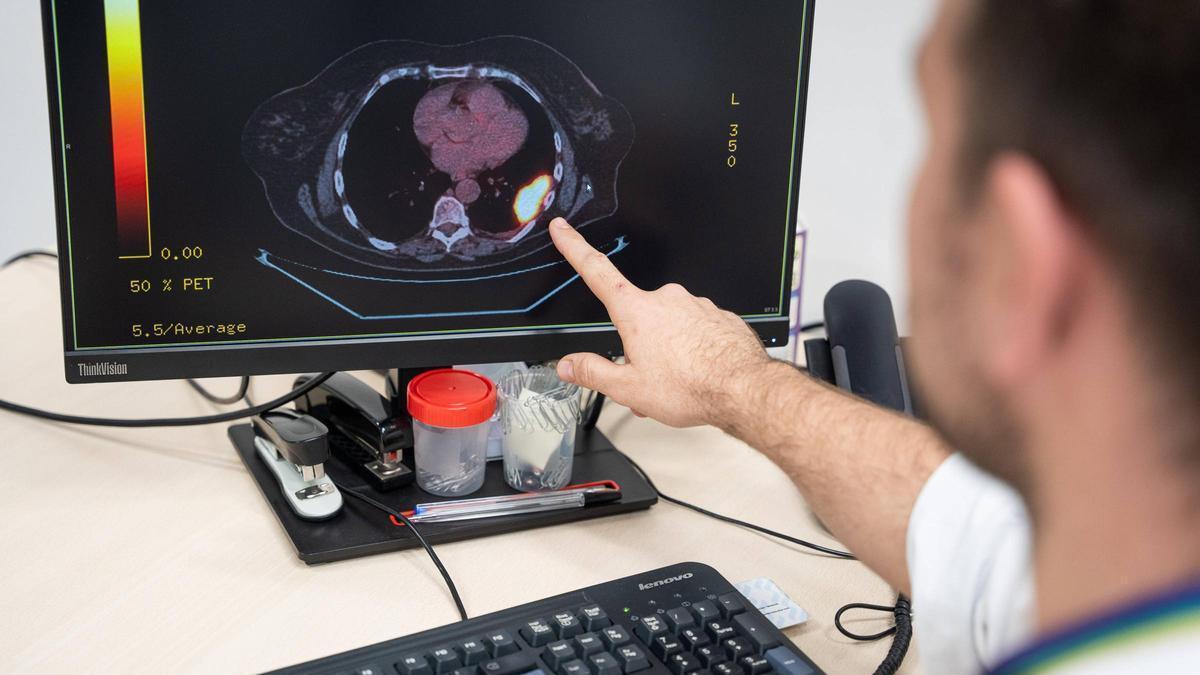
A new study from the Hospital Universitario de Badajoz suggests that vitamin D supplements can help stroke patients recover faster. The research, still in its early stages, points to supplementation as a useful tool alongside standard neurological rehabilitation, according to Diario Córdoba.
Stroke is one of the leading causes of disability in Spain. Any treatment that can improve recovery outcomes — even modestly — carries significant public health weight. These first results are drawing attention across the medical community.
Badajoz Hospital Study Links Vitamin D to Stroke Recovery
Researchers at the Hospital Universitario de Badajoz designed the study to test whether vitamin D supplements improve outcomes for stroke patients. Their early results suggest the answer is yes. Patients who received supplements showed better recovery markers than those who did not, El Periódico de Extremadura reported.
Stroke, known in Spanish as ictus, occurs when blood flow to the brain is blocked or a vessel bursts. It can cause paralysis, speech problems, and cognitive damage. Recovery depends heavily on rehabilitation, and researchers believe vitamin D may make that process more effective.
Why Vitamin D Could Support the Recovering Brain
Vitamin D is best known for keeping bones strong. But scientists have found it also plays a role in brain health. It helps reduce inflammation and supports the growth of nerve cells — two things that matter greatly after a stroke, according to Levante-EMV.
Many stroke patients are already low in vitamin D before they ever suffer an attack. Low levels have been linked to worse outcomes after a stroke. Supplementing those levels could give the brain a better environment to heal, researchers suggest.
Supplements Used Alongside Rehabilitation, Not as a Cure
The Badajoz team is clear that vitamin D is not a replacement for standard care. Instead, they frame it as a support tool — something to use alongside physiotherapy, speech therapy, and other neurological rehabilitation methods, La Provincia noted.
This approach is called neurorrehabilitación in Spanish clinical settings. The idea is that by correcting a vitamin D deficiency, the brain may respond better to rehabilitation exercises. The supplement is cheap, widely available, and has a strong safety record at normal doses.
Early Results Promising but More Research Still Needed
The study's authors stress that these are early results. A larger, controlled trial is needed before doctors can make firm recommendations. The findings are promising, but science demands more data before changing standard clinical practice, according to El Correo Gallego.
Still, the research adds to a growing body of evidence connecting vitamin D to brain health. Other studies in Europe and the US have found similar signals. The Badajoz team's work puts Spain at the front of this emerging line of inquiry.
Sentiment
NeutralPublishers
11
Articles
0
Reach
11


