Flores Evacuates Tsunami Threat
Indonesia Issues Tsunami Warning, Urges Flores Island Evacuation After Powerful 7.7 Quake
Key Points
At least three aftershocks were felt following the main 7.7-magnitude earthquake, according to the European-Mediterranean Seismological Centre (EMSC).
Talibura Village in Sikka, East Nusa Tenggara, was identified in reports as a location where residents were fleeing toward higher ground during the tsunami threat.
BNPB official Abdul Muhari conveyed evacuation guidance via Kompas TV, reinforcing the call for immediate self-evacuation from coastal areas.
The evacuation advisories were reported by multiple outlets, including ANSA, Espansione TV, and Giornale di Brescia, indicating cross-media coverage of the Flores event.
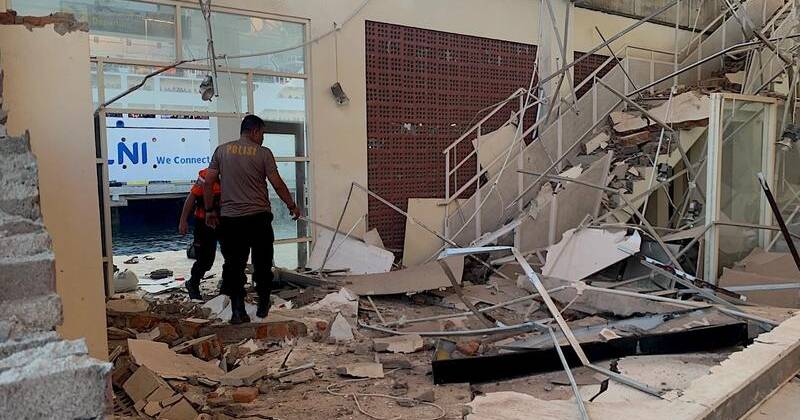
A magnitude 7.7 earthquake struck off the coast of Indonesia's Flores Island on August 15, killing at least five people and triggering an urgent tsunami warning, according to Lithgow Mercury and NVI. Buildings toppled, panic spread across the region, and authorities ordered coastal residents to flee immediately to higher ground.
BNPB official Abdul Muhari urged residents not to wait for further instructions. He called for immediate self-evacuation from northern and southern coasts, as well as surrounding islands. Officials said people should move more than two kilometers inland or reach elevations above 10 meters, according to Head Topics.
Residents Flee Talibura Village as Tsunami Threat Looms
In Talibura Village, located in Sikka district of East Nusa Tenggara, residents were seen running toward higher ground as the tsunami warning took effect. The scenes reflected widespread fear along Flores' coastline. Local broadcasters, including Kompas TV, relayed Muhari's evacuation message directly to viewers in real time.
Officials emphasized both vertical and horizontal evacuation. Vertical means climbing to a tall, sturdy building. Horizontal means moving inland fast. Authorities stressed that speed mattered more than waiting for official instructions or sirens.
At Least Three Aftershocks Rattle Flores After Main Quake
The 7.7-magnitude quake did not strike alone. At least three aftershocks followed the main event, adding to the danger and confusion on the ground. The European-Mediterranean Seismological Centre tracked the aftershocks and reported the sequence as the region continued to shake.
Buildings already weakened by the initial quake faced further stress. Authorities worked to assess the full scope of damage while emergency teams moved into affected areas. The death toll stood at five, but officials warned that figure could rise as reports came in from remote communities.
Indonesia's Ring of Fire Location Drives Constant Quake Risk
Indonesia sits along the Pacific Ring of Fire. That is a zone of intense seismic and volcanic activity that circles the Pacific Ocean. The country experiences more earthquakes than almost any other nation on Earth. Flores Island has been hit by deadly quakes before, making coastal communities especially vulnerable.
The August 15 quake struck at significant depth off the coast, which shaped how the tsunami warning was issued and how waves could behave. Experts consistently warn that Indonesia's geography means residents must be ready to act within minutes when a major quake hits near the coast.
Global Media Picks Up Flores Evacuation Story Widely
Coverage of the Flores earthquake spread quickly across international outlets. Italian media, including ANSA, Espansione TV, and Giornale di Brescia, reported on the evacuation advisories alongside Australian and Canadian outlets. The broad pickup reflected the global scale of concern when a quake of this size strikes a tsunami-prone region.
Emergency agencies continued monitoring the situation as of the initial reports. Authorities asked the public to stay away from beaches and low-lying coastal zones until the tsunami warning was formally lifted. No all-clear had been issued in the immediate hours following the quake.
Sentiment
Mostly NegativePublishers
113
Articles
523
Reach
636


