Mortal Shell 2's Soulslike Evolution
Mortal Shell 2 reviews praise refined combat and deeper lore, though open-world design divides critics.
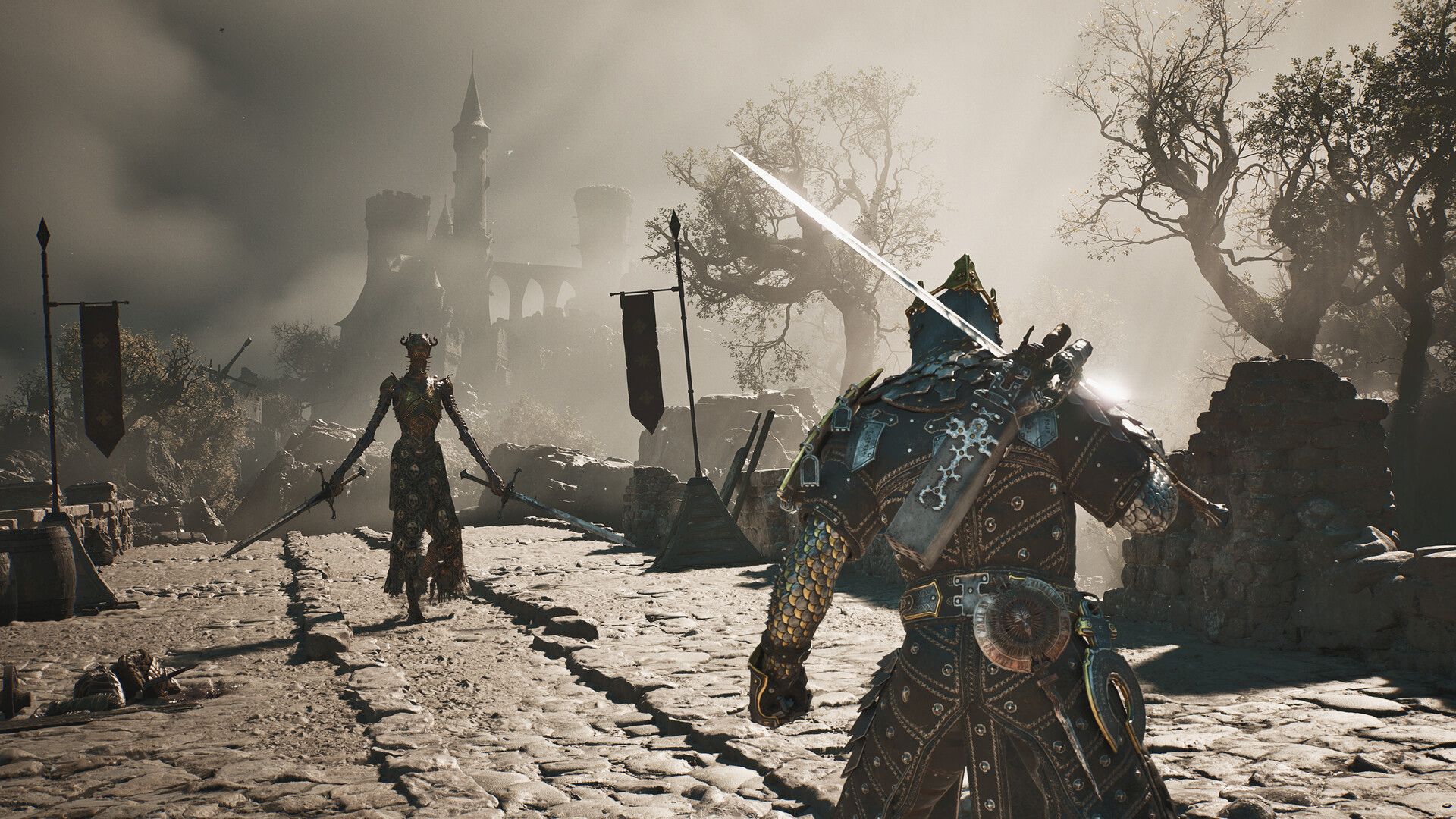
Key Points
Each shell was a real person, and uncovering their backstories as you upgrade adds emotional weight to the shell mechanic.
Mortal Shell 2 is framed as a standalone title and a soft reboot that reimagines the series, presenting a more cohesive, brutal Soulslike experience with its own world and mythos.
Critics note a dedicated hub/base of operations that functions as a lore and progression anchor, reminiscent of Elden Ring’s Roundtable Hold or Firelink Shrine.
The game offers two camera modes—Immersive and Action—and reviewers generally recommend switching to Action for better visibility and combat clarity.
Mortal Shell 2 has landed with strong reviews, earning an aggregate score of 85 on OpenCritic and 83 out of 100 on Gamer Guides, according to The Gamer. The sequel arrives six years after the original and builds a sharper, more confident Soulslike experience around its signature shell-based combat system.
Cog Connected called it "Bigger, Bolder, and Better," while The Nerd Stash hailed it as "The Most Metal Soulslike." But not every critic agreed — WccfTech pushed back, arguing the game is "Not All It's Cracked Up to Be." The divide centers on world design and how much the game holds players' hands.
A Standalone Sequel That Reimagines the Series
Mortal Shell 2 is a standalone title. Destructoid confirmed players do not need to finish the first game to jump in. Developer Cold Symmetry built a fresh world and mythos, making this more of a soft reboot than a direct continuation. That decision gives new players a clean entry point into its brutal, grim universe.
The Nerd Stash described the game as "a reimagining" of the series. It features a dedicated hub — similar to Elden Ring's Roundtable Hold or Dark Souls' Firelink Shrine — that anchors both lore and progression. The hub gives players a place to upgrade shells, absorb story details, and prepare for the next brutal encounter.
Shell Backstories Add Emotional Weight to Combat
Each shell in the game was once a real person. As players upgrade a shell, they uncover that character's history. Cog Connected praised this system, noting it adds emotional depth that the first game lacked. The lore around shells and memories feels more coherent and hits harder this time around.
Every shell also carries unique abilities that change how players fight. This pushes players to think tactically rather than just memorize attack patterns. Destructoid noted the improved combat responsiveness as a key upgrade over the original, calling Mortal Shell 2 "a viable contender in a saturated market."
Open World Feels Hollow in Spots, Critics Say
The game expands into a larger open world with new dungeon designs. But some reviewers found the exploration uneven. WccfTech argued the world can feel hollow and under-guided compared to other modern Soulslikes. Rewards for exploration were inconsistent, which dulled the excitement of venturing off the beaten path.
The Gamer noted the difficulty rating drew attention in early reviews, suggesting the game does not soften its edges for newcomers. The storytelling stays true to Soulslike tradition — atmospheric and ambitious — but can turn opaque. Players who enjoy piecing together lore will find more to love than those who want clear direction.
Switch to Action Camera Early — Practical Tips From Reviewers
Mortal Shell 2 offers two camera modes: Immersive and Action. Reviewers broadly recommend switching to Action mode right away. It gives better visibility during combat and makes fights feel clearer and more manageable. Missing this setting in the opening hours can make an already hard game feel unnecessarily punishing.
Cog Connected also advised players not to overlook beacons and Ova collection in the early game. These systems feed into shell-specific tactics that become critical for survival. Small decisions made in the first few hours — which shell to focus on, which upgrades to chase — shape the entire experience that follows.
Sentiment
Mostly NegativePublishers
10
Articles
1
Reach
11


