Russian Spy Plot
German Court Convicts Ukrainian Man of Russian Spying in Parcel Sabotage Plot
Key Points
The operation involved GPS trackers and even spare auto parts packed into two shipments sent from Germany to Ukraine via a Ukrainian parcel service, with investigators saying the goal was to map routes and transport procedures to identify potential sabotage opportunities.
An acquaintance from Russian-occupied Mariupol helped arrange the shipments on behalf of a Russian state entity, illustrating a link between the plot and a broader network.
The defendants were arrested in May last year across multiple jurisdictions—Cologne and Konstanz in Germany and the Swiss canton of Thurgau—highlighting substantial cross-border law-enforcement cooperation.
Germany’s security environment continues to be shaped by incidents such as an explosives-laden drone found near a Ukrainian cargo plane at Leipzig-Halle airport, which officials have flagged as part of Moscow-linked sabotage concerns.
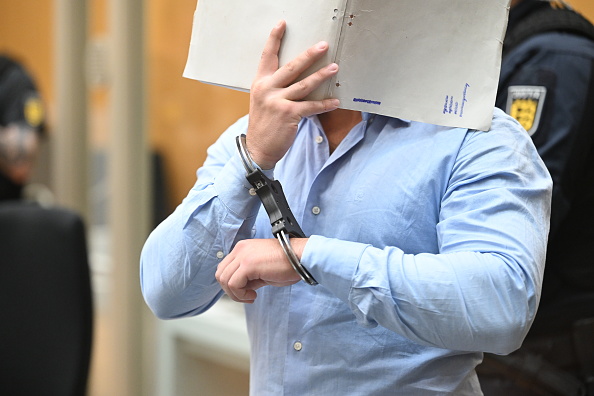
A Stuttgart court has convicted Ukrainian national Yevhen Bezchasnyi, 30, of spying for Russia and helping prepare acts of sabotage, sentencing him to one year and three months in prison, according to France 24. Two other Ukrainian defendants in the same case were acquitted. Bezchasnyi will be released shortly, as time already served in pre-trial detention counts toward the sentence.
The case centered on a plot to send GPS-equipped parcels from Germany to Ukraine in March 2024. Investigators say the packages were designed to map transport routes and logistics — and potentially set the stage for future sabotage, Euractiv reported.
GPS Parcels Used to Scout Ukrainian Transport Routes
The plot involved two shipments sent via a Ukrainian parcel service. The packages contained GPS trackers hidden inside spare auto parts. Investigators say the goal was to track how parcels move through Ukraine — mapping routes, timelines, and logistics hubs to find weak points for sabotage, according to RFI.
Bezchasnyi helped scout targets and organized the GPS shipments. Prosecutors argued the operation was orchestrated by an unnamed Russian state entity. A contact from Russian-occupied Mariupol helped arrange the shipments, linking the plot to a broader network, SCMP reported.
Arrests Spanned Germany and Switzerland in May 2024
Police arrested the defendants in May 2024 across three locations: Cologne and Konstanz in Germany, and the Swiss canton of Thurgau. The cross-border operation required close coordination between German and Swiss law enforcement. The arrests showed how transnational the alleged spy network had become, Euractiv noted.
The Stuttgart court ultimately found the evidence only strong enough to convict Bezchasnyi. The two other defendants were acquitted. The verdicts reflect how difficult it can be to prove individual roles in complex state-sponsored operations, according to France 24.
Russia's Hybrid War Tactics Keep European Authorities on Edge
The case fits a wider pattern of alleged Russian hybrid warfare — covert operations that fall short of open military conflict but aim to disrupt and destabilize. Germany has flagged several such incidents. One notable example: an explosives-laden drone found near a Ukrainian cargo plane at Leipzig-Halle airport, Morning Chronicle reported.
European governments have repeatedly accused Moscow of orchestrating sabotage, espionage, and infrastructure attacks across the continent. Russia denies involvement. The Stuttgart conviction is one of the first in Germany to result from such allegations, making it a notable legal milestone, according to RFI.
Short Sentence Reflects Bezchasnyi's Limited But Real Role
The one-year, three-month sentence is relatively light. That is partly because the plot never advanced to actual sabotage — it remained in the scouting and preparation phase. Courts in Germany typically weigh the severity of harm caused, not just intent, when setting sentences, SCMP noted.
With pre-trial detention already counted, Bezchasnyi is set for imminent release. Still, prosecutors say the case sends a signal. It shows Germany is willing to prosecute alleged Russian intelligence operations — even when the physical damage never materialized, according to Euractiv.
Sentiment
Mostly NegativePublishers
14
Articles
105
Reach
119


