Africa's Energy Future
Africa Prioritizes Stronger Institutions to Accelerate Renewable Energy Transition
Anonymous
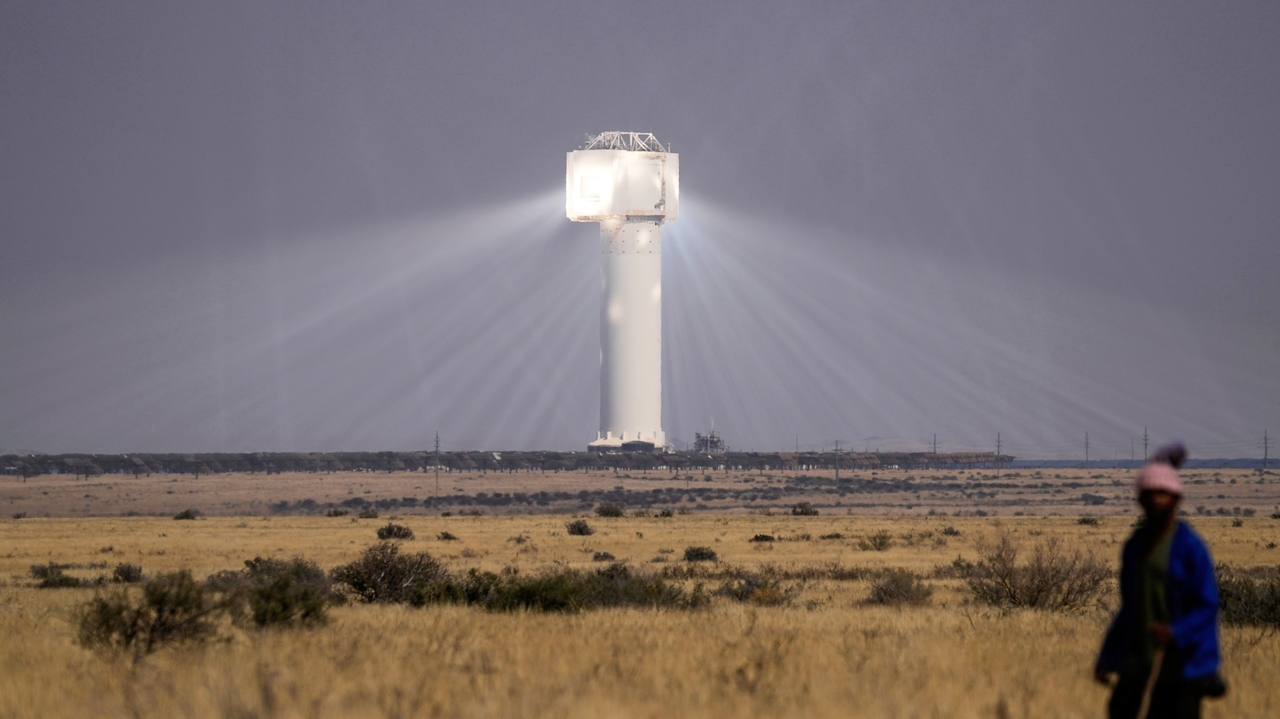
Renewable energy hit a historic milestone in 2025, generating 34% of the world's electricity and surpassing coal's 33% share for the first time in modern history. Now, attention is shifting to what comes next — not building more solar panels, but fixing the broken systems that stop clean power from reaching the 600 million Africans who still have no electricity, according to AP News.
On June 22, 2026, former New York City Mayor Michael R. Bloomberg announced a $285 million initiative at London Climate Action Week. The goal: rebuild the institutions, markets, and regulatory systems that clean energy projects need to survive and scale across Africa and other developing economies, The Independent reported.
Why Africa Gets Only 2% of Global Clean Energy Investment
Africa has enormous renewable energy potential. But over the last 20 years, the continent received just 2% of global renewable energy investments. The reason is not a shortage of sun or wind — it is a shortage of working systems, Winnipeg Free Press reported. Most national power grids are unstable. Many are run by state-owned utilities that are deeply in debt. These utilities cannot offer the bankable contracts that private developers need to raise money.
"What has been missing is not the potential, but the institutional infrastructure," said Saliem Fakir, Executive Director of the African Climate Foundation. Developers need regulators who understand clean energy deals. They need clear legal frameworks. Without those, long-term private investors walk away. Currently, local banks fund only 23% of renewable projects in Africa — a sign of how thin the support system is, according to Dayton Daily News.
Bloomberg's $285 Million Bet on Systems, Not Just Solar Panels
Bloomberg Philanthropies is not building power plants with its new fund. Instead, the $285 million will go toward strengthening regulatory agencies, training energy experts, and helping design fairer electricity markets. The targeted countries produce nearly 70% of global power-sector emissions. Bloomberg said the goal is to remove "fixable obstacles" that slow down deployment, according to Newsday.
"Clean energy is now cheaper than fossil fuels in virtually every part of the world," Bloomberg said. "We can't allow those obstacles to continue standing in the way of lower energy costs." The initiative will help projects attract long-term investment and connect to national grids. UN Secretary-General António Guterres praised the move, saying "the clean energy age has arrived" and must "scale fast in the economies that need it most," per The Independent.
African Leaders Push Back on 'Skip Fossil Gas' Pressure
Not everyone welcomes the push for a rapid, gas-free transition. Many African leaders argue that rich nations used fossil fuels to industrialize — then pulled up the ladder. Nigeria's updated climate plan targets 17 gigawatts of gas-fired power by 2035, nearly double its current capacity, to provide the stable baseload power that solar and wind alone cannot yet guarantee, KDH News reported.
NJ Ayuk, Executive Chairman of the African Energy Chamber, put it bluntly: "Denying fossil fuel investment is denying economic justice, food security, and a pathway out of poverty for millions." His group argues that Europe reclassified natural gas as a "transitional" fuel for its own grids, yet multilateral lenders block African nations from doing the same — a double standard that stymies growth on a continent where energy poverty is acute, according to Barchart.
600 Million People Are Waiting for the Fix to Work
If these systemic reforms succeed, the direct winners will be the 600 million Africans without power. Ali Mohamed, Kenya's Special Envoy for Climate Change, said the real gap is not ambition — it is capacity. "What has held back deployment is the gap between potential and the capacity to translate it into investment, projects, and power on the grid," he said, according to WFMZ.
Stronger market rules are expected to unlock billions in private debt and equity. Clean energy already saved the world an estimated $467 billion in fossil fuel costs in 2024, according to the International Renewable Energy Agency. The question now is whether Africa can build the institutions fast enough to claim its share of that shift — and finally light up the homes that have waited the longest, The Messenger reported.
Sentiment
NeutralNEGATIVENEUTRALPOSITIVE
Publishers
25
Articles
24
Reach
25
A
AnonymousAuthor