New Solar Energy Boost
Comoros Inaugurates Three UAE-Backed Solar Plants to Boost Energy Security and Cut Diesel Dependence
Anonymous
Key Points
1
Comoros’ electricity system faced a substantial supply shortfall in 2024: demand reached 254 GWh, but actual generation was only 150 GWh, and the country experienced approximately 3,000 power outages during the year.
2
The new solar generation is projected to supply about 13.3% of Comoros’ electricity demand, providing a measurable contribution toward closing the country’s power-supply gap.
3
President Azali Assoumani described the project as translating the Comoros-UAE partnership into action by strengthening energy infrastructure, expanding access to reliable electricity and supporting “greater economic resilience, sustainable growth and improved livelihoods for our people.”
4
The inauguration brought together senior officials from both countries, including UAE Ambassador to Comoros Jumaa Rashid Alromaithi, ADFD representative Ahmed Khamis Alkalbani, Masdar projects head Dr Mohamed Alzarooni and GSU Managing Director and CEO Ali Abdulla Alshimmari.
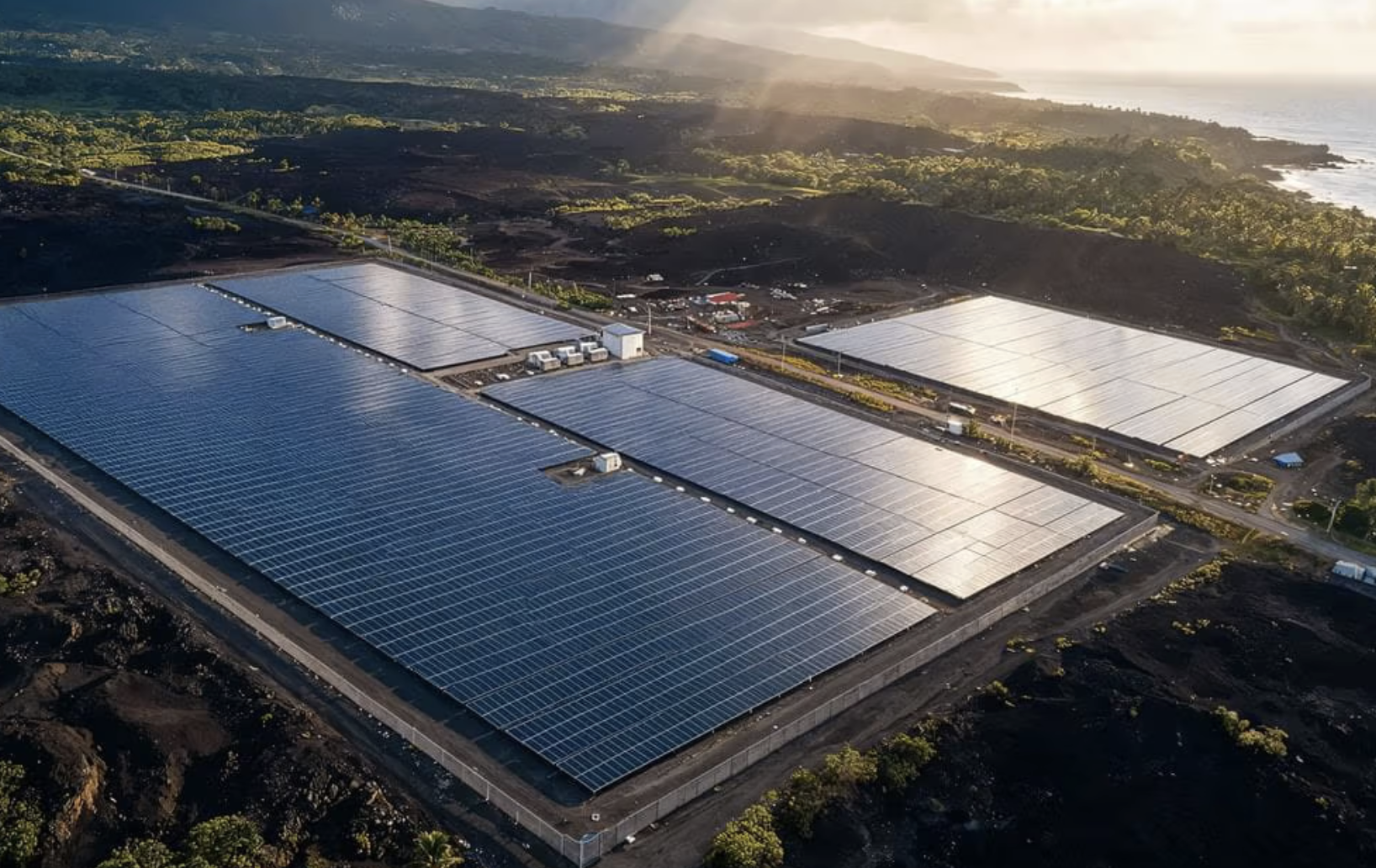
Comoros has switched on three new solar power plants across its three islands, marking a major shift toward renewable energy. Solar Bytes reported the plants have a combined capacity of approximately 20 megawatts, financed by Abu Dhabi's development fund with about AED84.4 million in support. President Azali Assoumani inaugurated the project, which is expected to generate enough electricity annually for roughly 17,500 households and avoid over 20,900 tons of carbon dioxide emissions per year.
The island nation faced a serious power crisis in 2024, with demand reaching 254 gigawatt-hours but actual generation hitting only 150 gigawatt-hours—a shortfall of over 40%. Rio Times noted the new solar farms are largely funded by Abu Dhabi's Abu Dhabi Fund for Development. The installations are expected to close roughly 13% of that gap, significantly improving energy security and reducing dependence on imported diesel.
Three Islands Now Powered by UAE-Backed Solar
The 20-megawatt project spreads solar arrays across Comoros' three main islands. PV Magazine reported the breakdown: Grande Comore received a 12.86 MW array, Anjouan got 4.05 MW, and Mohéli received 3.1 MW. The plants include 16 megawatt-hours of battery storage and roughly 30 kilometers of new transmission lines to move power where it's needed.
Masdar, an Abu Dhabi energy company, implemented the construction. Utilities Middle East noted that Global South Utilities now manages day-to-day operations of the plants. The project aims to strengthen energy infrastructure across the islands and expand access to reliable electricity for residents who experienced about 3,000 power outages during 2024.
From Diesel Dependence to Renewable Generation
Comoros relied almost entirely on imported diesel to generate electricity before this solar project came online. The new plants are projected to produce about 33.75 gigawatt-hours of electricity annually—roughly 13.3% of the country's total electricity demand. This shift reduces both import costs and environmental harm by eliminating approximately 20,900 tons of annual carbon dioxide emissions.
President Assoumani framed the inauguration as proof that the Comoros-UAE partnership works. He said the project strengthens energy infrastructure and supports "greater economic resilience, sustainable growth and improved livelihoods for our people." Senior officials from both nations attended, including UAE Ambassador Jumaa Rashid Alromaithi and Masdar projects head Dr Mohamed Alzarooni.
Closing a Massive Power-Supply Gap
Comoros faced a 104-gigawatt-hour shortfall in 2024—demand was 254 GWh but generation was only 150 GWh. The blackouts that resulted affected businesses and households across the islands. While the new 20-megawatt solar plants won't solve the entire problem, they make a meaningful dent, providing electricity that was previously impossible to generate locally.
Energy experts see renewable projects like this as essential for island nations facing rising energy costs. The Abu Dhabi Fund for Development invested AED84.4 million because strengthening Comoros' power system benefits the broader region. With storage capacity built in, the plants can supply electricity even when the sun isn't shining, improving reliability compared to older diesel-only systems.
Sentiment
Mostly PositiveNEGATIVENEUTRALPOSITIVE
Publishers
13
Articles
6
Reach
19
A
AnonymousAuthor


