Yen Intervention Looms
Yen Faces Biggest Weekly Drop Since May, Prompting Speculation of Further Intervention
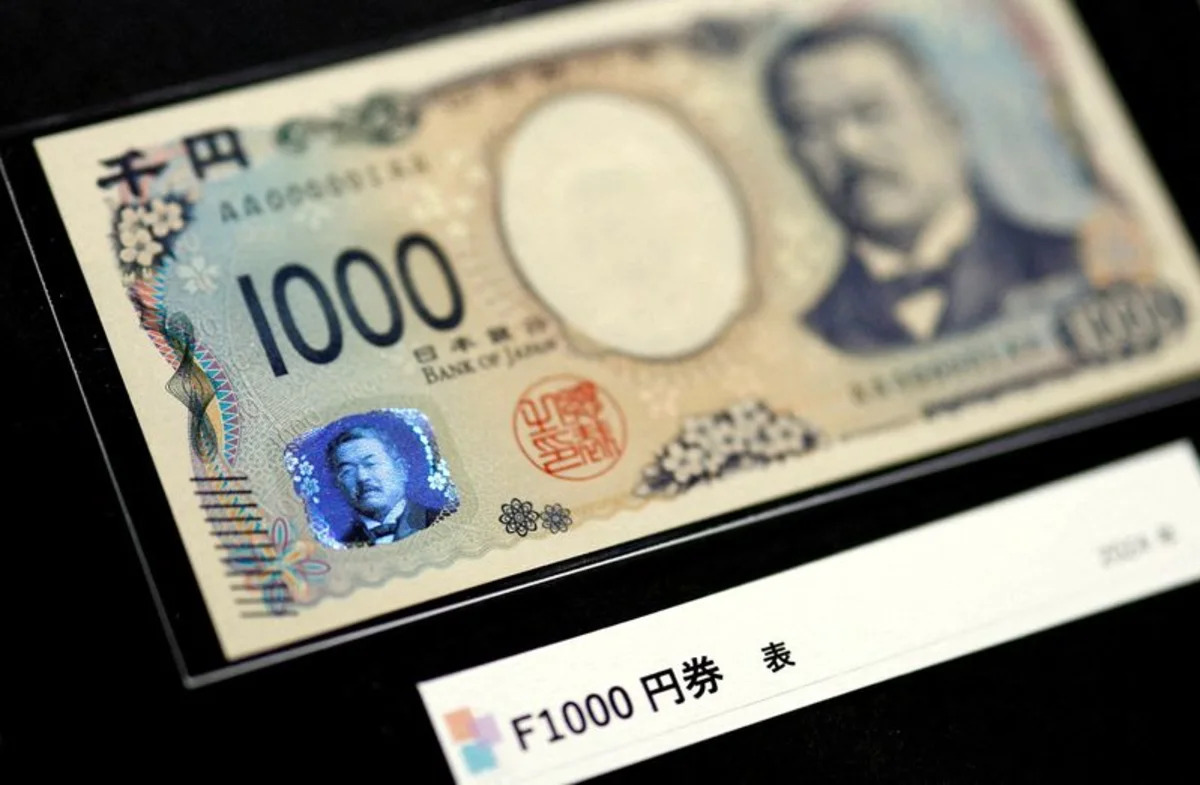
The Japanese yen is on track for its biggest weekly loss in three months, falling about 1% to 159.43 per dollar, according to Yahoo Finance. Traders are now betting that Japanese and U.S. officials will need to step in again with another round of currency buying to stop the slide.
The yen has also dropped roughly 0.8% against the euro this week, hitting 183.91 yen per euro — its largest weekly fall against that currency since April, Yahoo Finance reported. The moves are erasing gains made after a joint intervention in July, when the yen was trading near 164 per dollar.
July's Intervention Boost Has Faded Fast
Just weeks ago, a coordinated U.S. and Japanese intervention pushed the yen sharply higher from near 164 per dollar. But that boost has worn off. The yen is now sliding again, and the week's losses are the worst since May, according to Yahoo Finance.
Traders say the market is testing whether officials will act again. Each time the yen weakens without a response, speculators feel more confident pushing it lower. The question now is how much further it falls before Tokyo steps in.
Former Diplomat Calls for Rate Hikes and More Buying
Mitsuhiro Furusawa, a former top Japanese currency diplomat, says the Bank of Japan needs to act on two fronts. He says Japan should conduct more joint yen intervention and also signal that interest rate hikes could come faster than markets expect, according to WSAU.
Rate hikes matter because higher interest rates make a currency more attractive to investors. Right now, Japan's rates are very low compared to the U.S., which pushes investors to sell yen and buy dollars. A clear signal of faster hikes could help reverse that trend.
Global Markets Have Stayed Calm Despite Yen Pressure
The broader currency market has been relatively steady this week, even as the yen weakened. Higher oil prices and tensions in the Middle East kept some traders cautious, according to Y94. That has limited big swings in other major currencies like the euro and the British pound.
Softer U.S. jobs and inflation data also played a role. Those reports reduced expectations for aggressive Federal Reserve rate cuts, which can weaken the dollar. A stronger dollar puts even more pressure on the yen, making intervention more likely if the trend continues, KWSN reported.
What Happens Next If the Yen Keeps Falling
Analysts are watching the 160 per dollar level closely. Breaking through that level could trigger a sharp move lower and force Tokyo's hand. Japan spent a record amount on intervention earlier this year to defend the yen, and officials have repeatedly warned they are ready to act again.
A weaker yen hurts Japanese consumers by making imports — especially food and fuel — more expensive. It also raises political pressure on the government. With the yen already near historic lows, another round of intervention may come sooner rather than later, according to Yahoo Finance.
Sentiment
NeutralPublishers
5
Articles
5
Reach
5


