Himalayan Glacial Collapse Crisis
Nepal PM Warns UN About Climate Risks After Deadly Himalayan Glacial Collapse
Anonymous
Key Points
1
The collapse occurred at Langtang Lirung: a mass of rock and glacier ice broke away and plunged into a river, triggering the flood.
2
The disaster also affected Tibet; reports cited more than 5,000 people unaccounted for in Nepal and hundreds missing on the Chinese side.
3
Shah, a 36-year-old former rapper, came to power six months earlier after youth-led anti-corruption protests; the disaster has since pushed climate diplomacy to the center of his premiership.
4
Nepal’s $20 million request is the maximum permitted from the UN Loss and Damage fund. The fund was established in 2022, but the article reports it had not yet made its first disbursement.
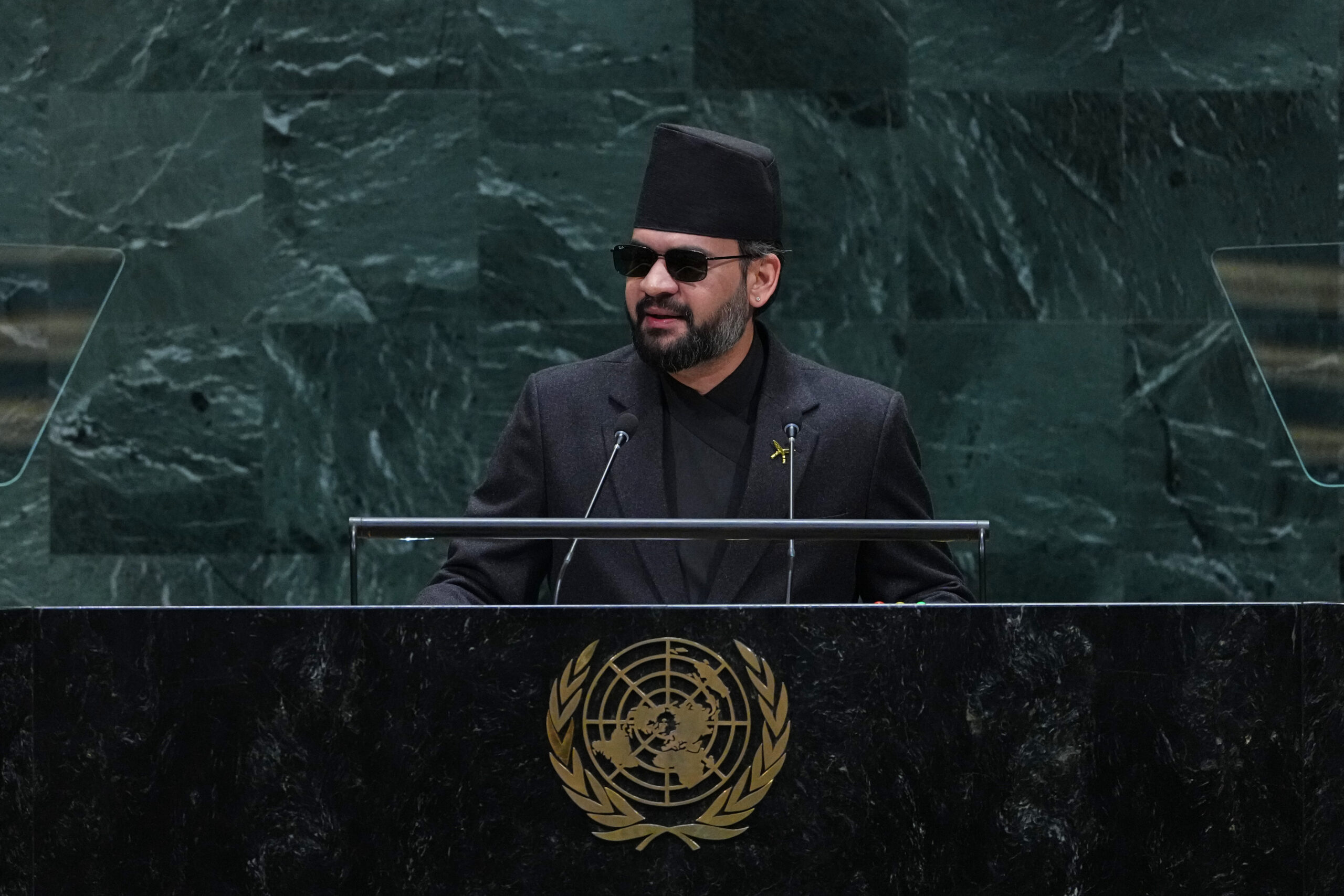
Nepal's Prime Minister Balendra Shah told the United Nations that catastrophic floods triggered by a Himalayan glacier collapse were a stark warning of climate dangers ahead. A mass of rock and ice broke away from Langtang Lirung mountain near the Nepal-China border, killing more than 1,400 people and leaving thousands missing NBC News. Shah said the disaster showed how climate change poses cross-border risks that wealthy nations must help address.
The 36-year-old former rapper, who took office just six months earlier after anti-corruption protests, used the UN platform to demand $20 million from the global Loss and Damage fund — the maximum allowed. Preliminary damage estimates reached $5 billion WTOP. Shah noted Nepal produces less than 0.1% of global greenhouse gas emissions yet faces enormous losses, calling the disparity deeply unfair.
A Mountain Collapse Turns Into Regional Catastrophe
On Langtang Lirung, a peak straddling Nepal and Tibet, a chunk of glacier and rock suddenly gave way. The debris plunged into a river below, unleashing a destructive flood that swept through nearby valleys NBC News. Scientists called this a compound crisis: glacier retreat and permafrost thaw had weakened the mountain's stability, making collapse more likely.
More than 5,000 people remain unaccounted for in Nepal alone. Reports indicate hundreds more are missing on the Chinese side of the border NBC News. The exact death toll is still being verified as rescue teams continue searching through debris and affected communities.
Nepal Bears Climate Cost Despite Tiny Carbon Footprint
Shah's core message was a cry for fairness. Nepal generates less than 0.1% of global greenhouse gas emissions but absorbed a $5 billion hit from this single disaster NBC News. He argued wealthy polluters bear responsibility for helping vulnerable mountain nations adapt to climate hazards they did not create.
The UN's Loss and Damage fund was created in 2022 to help poor countries recover from climate disasters. However, Tipping Insights reported the fund had not yet made its first disbursement when Shah made his request. His $20 million ask represents the maximum a single nation can request from the pool.
A New Regional Alliance to Monitor Glacial Risks
Shah proposed a Himalaya Climate Resilience Mechanism uniting Nepal, India, and China. The three nations would share glacial monitoring data, track dangerous lakes forming behind weakened glaciers, and strengthen early-warning systems NBC News. Better alerts could save lives when future collapses occur.
The proposal reflects a hard reality: climate risks in the Himalayas do not respect borders. Tipping Insights noted that wealthy nations must provide greater financial support to countries facing climate perils. Without it, poor mountain regions will continue absorbing outsized damage from a crisis they barely caused.
Sentiment
Mostly NegativeNEGATIVENEUTRALPOSITIVE
Publishers
15
Articles
104
Reach
119
A
AnonymousAuthor


