AI Chip Demand Fuels Exports
South Korea's Exports Maintain Strong July Growth, Fueled by Robust AI Chip Demand
Anonymous
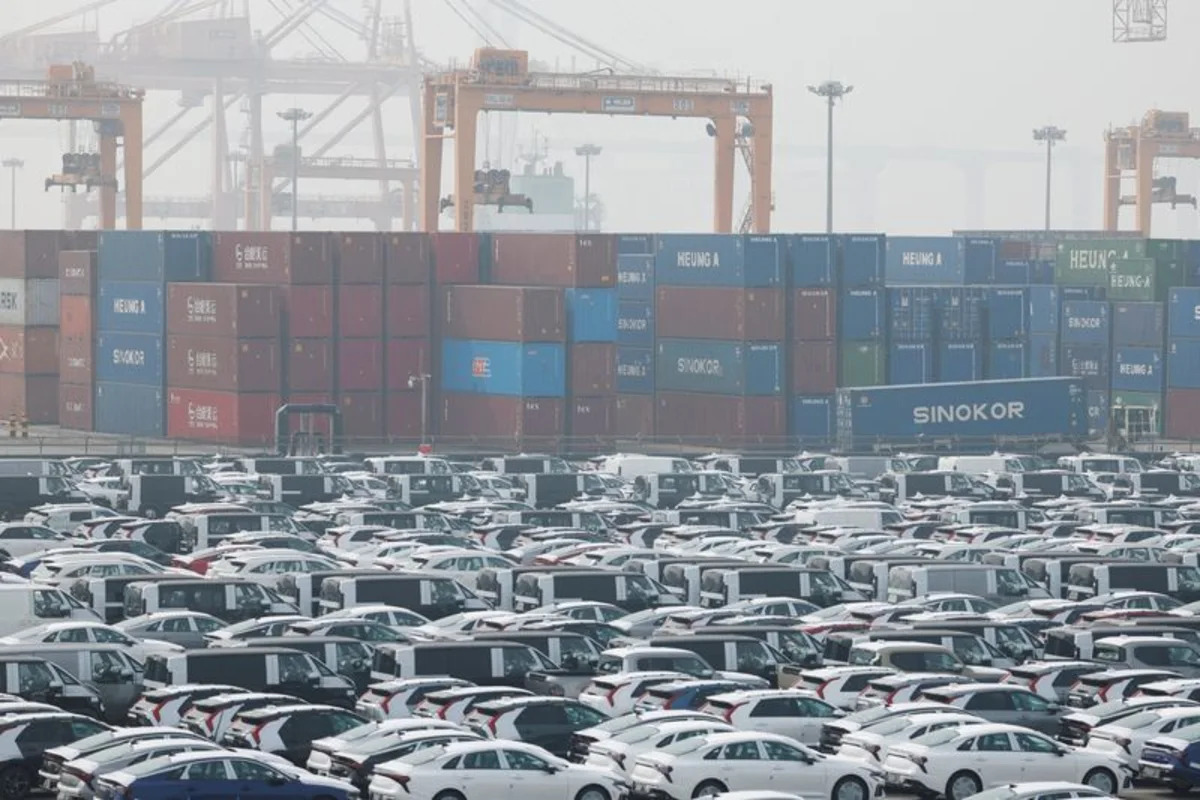
South Korea's exports are set to grow around 59% in July compared to a year ago, according to a median estimate from 15 economists surveyed by Reuters. That would mark a slowdown from June's 70.7% surge — the biggest jump since 1978 — but still rank as the second-strongest gain in the current winning streak.
The AI chip boom remains the engine behind the gains. Samsung Electronics and SK Hynix, two of the world's largest memory chipmakers, continue to benefit as prices climb amid a global wave of AI investment. Fewer working days this July compared to last year is the main reason growth is expected to cool slightly.
AI Chips Power South Korea's Historic Export Streak
South Korea is Asia's fourth-largest economy and one of the world's most important export bellwethers. When its trade numbers move, it signals where global demand is heading. Right now, that signal is pointing firmly toward artificial intelligence, according to Yahoo Finance.
Memory chips — the kind used to power AI servers and data centers — are at the center of the boom. Prices for these chips have risen sharply as tech companies race to build AI infrastructure. Samsung and SK Hynix sit at the top of the global memory chip market, and both are cashing in.
June's 70.7% Surge Was a Near-50-Year Record
June's export growth of 70.7% was the fastest pace South Korea had seen since 1978 — nearly half a century ago. That kind of growth is extraordinary. July's expected 59% gain, while lower, would still be the second-best result in the current run of strong months, Reuters reported.
The slowdown is not a sign of weakness. Analysts point to a simple calendar quirk: July this year had fewer working days than July last year. Fewer shipping days means fewer exports logged in the official count. Strip that out, and the underlying trend remains strong.
South Korea's Numbers Signal Strength in Global AI Spending
South Korea's export data arrives before most major economies report their trade figures. That makes it a closely watched early indicator for global demand. A continued chip boom in South Korea suggests that big tech companies — particularly in the US and China — are still spending heavily on AI hardware, according to Cruisin 929.
That spending has shown no sign of slowing. Cloud computing giants and AI startups alike are buying up memory chips and advanced processors at a rapid pace. For South Korea, that means its chipmakers remain in a strong position heading into the second half of 2024.
What to Watch When Official July Figures Drop
South Korea's government is set to release the official July export figures shortly. Economists will watch closely to see if the 59% forecast holds. A result near that level would confirm that demand for AI chips is durable, not just a one-month spike driven by catch-up orders.
The broader question is how long the chip supercycle can last. AI investment is still ramping up globally, which bodes well for Samsung and SK Hynix. But analysts warn that memory chip markets can turn quickly. For now, though, the numbers tell a story of a boom very much still in motion, Reuters noted.
Sentiment
NeutralNEGATIVENEUTRALPOSITIVE
Publishers
5
Articles
5
Reach
5
Topics
A
AnonymousAuthor


