South Korea Export Boom
South Korea Exports Soar 52% in Early July, Driven by Semiconductor and Tech Demand
Anonymous
Key Points
1
July 1-20 exports fell 11.3% from the prior month despite a record-high period, driven by fewer working days (14.5 vs 15.5). Average daily exports rose 62.9% YoY to about $3.79 billion.
2
Semiconductors reached $22.1 billion, up 180.6% YoY, and accounted for 40.3% of total exports, marking a dominant share in the export mix.
3
Top export destinations widened with China (+94.1%) and the United States (+39.6%), and the three leading markets (China, US, Vietnam) together accounted for 51.9% of total exports.
4
Other product categories showed strong gains, including computer peripherals (+231.9%), ships (+70.8%), wireless devices (+65.9%), petroleum products (+33.4%), and steel products (+11.1%), while auto parts fell (passenger cars down 10.6%).
5
Analysts noted ongoing external headwinds such as Middle East tensions lifting energy prices, with some firms delaying orders; import growth remains robust but momentum may be uneven amid energy costs and geopolitical risk.
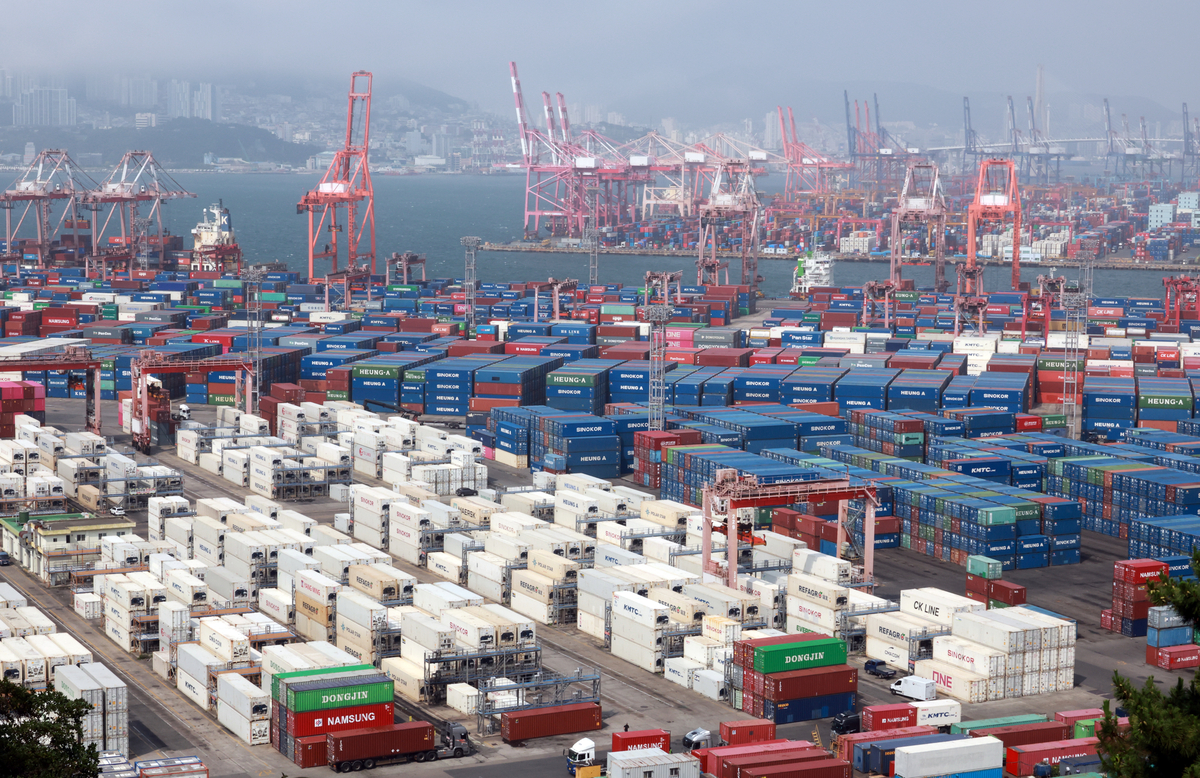
South Korea's exports surged 52.3% in the first 20 days of July, hitting a record $54.9 billion — the highest level ever recorded for that period, according to Korea Customs Service. The jump was driven almost entirely by semiconductors, which more than tripled to $22.1 billion and made up 40% of all exports.
Seoul Economic Daily reported that despite the record total, daily export averages told a more cautious story. With only 14.5 working days compared to 15.5 in June, month-over-month exports actually dipped 11.3%. Still, the average daily export rate climbed to $3.79 billion — up 62.9% from a year ago.
Semiconductors Carry Nearly Half of All July Exports
Chip exports rose 180.6% year-on-year to $22.1 billion. That single category made up 40.3% of South Korea's entire export haul for the period. It marks a stunning rebound from the chip downturn that weighed on the economy through much of 2023, according to Seoul Economic Daily.
Other tech-linked goods also posted strong gains. Computer peripherals jumped 231.9%. Wireless devices climbed 65.9%. Ships rose 70.8%, and petroleum products added 33.4%. Steel products grew 11.1%. The broad gains show the tech recovery is pulling other export sectors with it.
China and US Lead a Wide Expansion in Export Markets
Exports to China surged 94.1% year-on-year. Shipments to the United States rose 39.6%. Together with Vietnam, these three markets made up 51.9% of all South Korean exports in the July 1–20 window, according to Seoul Economic Daily.
The breadth of the demand recovery is notable. Both the US and China — South Korea's two largest trading partners — showed strong appetite for Korean goods at the same time. That kind of dual strength is rare and suggests the export recovery is not leaning on just one buyer.
Cars Slide While Imports and Trade Surplus Both Rise
Not every sector benefited. Passenger car exports fell 10.6% from a year ago. Auto parts also declined, cutting against the otherwise strong showing. The car slump stands out as a weak spot in an otherwise broad-based export surge.
On the import side, spending rose 20% year-on-year to $42.7 billion. That still left South Korea with a trade surplus of about $12.2 billion for the period. Strong import growth points to resilient domestic demand and restocking activity, likely aided by government stimulus measures.
Energy Costs and Geopolitical Risk Could Slow the Momentum
Analysts flagged risks that could cool the pace of growth. Tensions in the Middle East have pushed energy prices higher. Some companies have delayed orders as a result. Energy costs weigh on South Korea heavily, since the country imports almost all of its oil and gas.
The record July 1–20 figures are a strong signal, but economists caution against reading them as a straight-line trend. Fewer working days in July already trimmed the monthly total. If energy prices stay elevated and geopolitical risks grow, the second half of July may show more uneven results.
Sentiment
Mostly PositiveNEGATIVENEUTRALPOSITIVE
Publishers
16
Articles
9
Reach
25
A
AnonymousAuthor


