Public Safety Pension Reform
California's AB 1383 advances, lowering public safety retirement age and raising pensionable compensation limits.
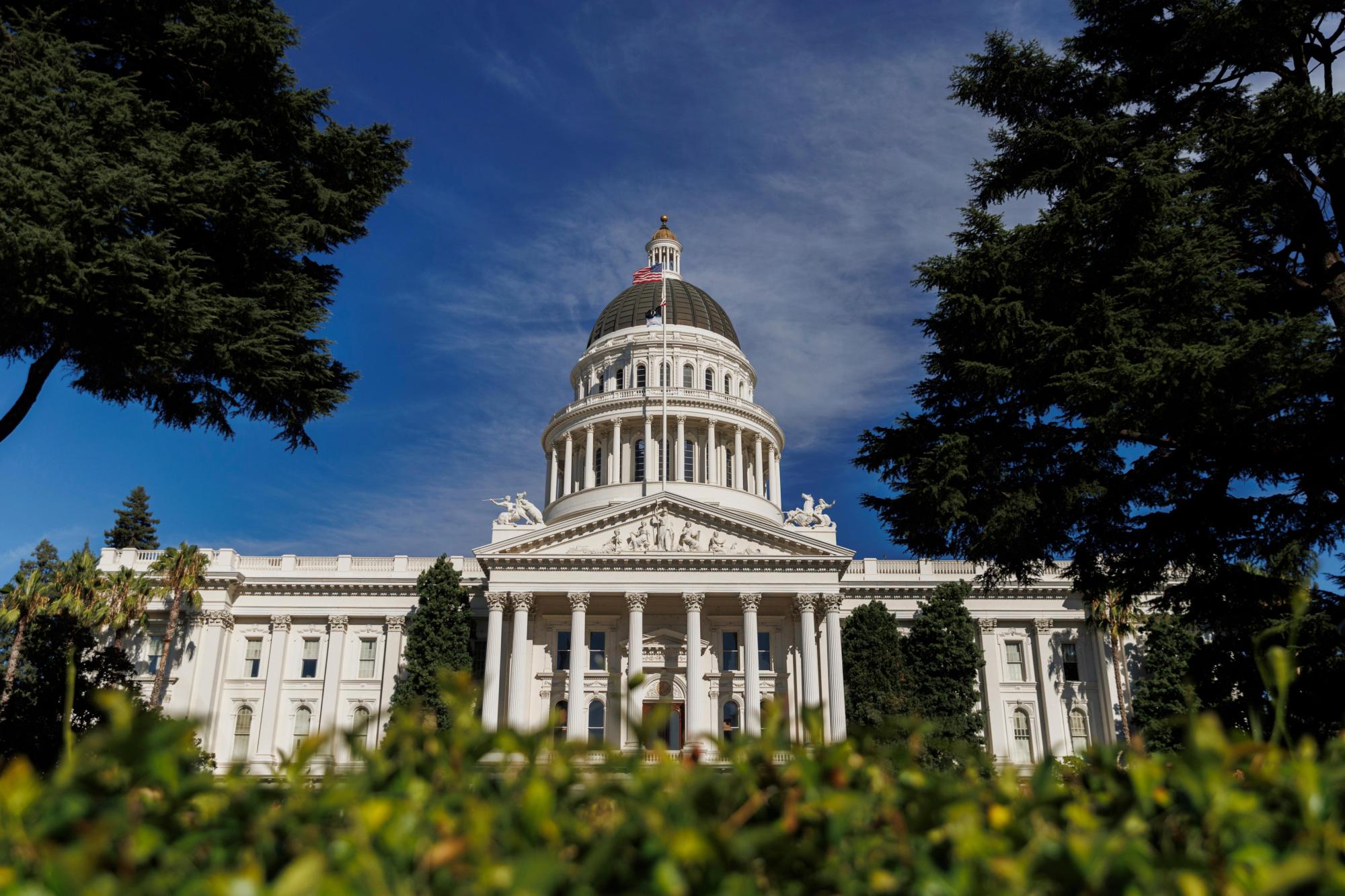
California's Senate Appropriations Committee has advanced Assembly Bill 1383, a measure that would let public safety workers retire at 55 instead of 57 and raise their pension pay cap from $160,000 to $185,000. The bill sailed through the Assembly in January with a lopsided 70-2 vote, according to OC Register.
Critics warn the bill is a "slippery slope" to a new pension crisis — one that would drain public funds while mostly benefiting the state's highest-paid workers, Daily News reported.
What AB 1383 Would Actually Change
Assemblymember Tina McKinnor, D-Inglewood, introduced the bill to help public agencies hold onto experienced workers. Supporters say a retention crisis is forcing action. The bill lowers the minimum retirement age by two years — from 57 to 55. It also raises the cap on pensionable pay by $25,000, from $160,000 to $185,000, according to Press Telegram.
The pensionable compensation cap is the maximum salary used to calculate a worker's pension. Raising it means higher monthly pension checks — paid for by taxpayers — for the state's top earners. Daily Breeze noted the changes would apply to public safety employees statewide.
Retention Crisis Claim Does Not Hold Up
Supporters say California cannot keep enough police officers and firefighters without better retirement benefits. But the numbers tell a different story. California's public safety workforce had a turnover rate of just 7.7% in 2023, according to SB Sun. That figure does not signal a crisis.
For comparison, high-turnover industries like retail and food service regularly see rates above 50%. A 7.7% turnover rate is low. Critics argue the retention problem is being used to justify a benefit expansion that most public safety workers do not need.
Taxpayers Foot the Bill for Highest-Paid Workers
The most pointed criticism targets who actually benefits. An estimated 86% of the new pension costs will go toward workers already earning more than $160,000 a year, according to OC Register. That means the vast majority of new spending flows to the top tier of state earners — not rank-and-file officers or firefighters.
Daily News reported that every extra dollar spent on inflated pension obligations is one less dollar available for public services — including the very public safety services the bill is meant to support. The tradeoff is direct and immediate for local budgets already under pressure.
Fears of a Second Pension Tsunami Grow
California has been here before. Years of generous pension expansions left the state and its cities with massive unfunded liabilities — debts owed to retirees that taxpayers must cover for decades. Press Telegram noted that AB 1383 follows the same pattern that caused the last pension crisis.
Critics say the bill's easy passage — 70 votes in favor, just 2 against — shows lawmakers are not taking the long-term cost seriously. Each pension expansion adds to a compounding burden. SB Sun reported the concern is not just today's cost, but what happens when thousands more workers retire two years earlier under the new rules.
Sentiment
NeutralPublishers
5
Articles
4
Reach
5


