Granada Earthquake Aftermath
Granada Region Shaken by Major Earthquakes; Building Collapses Amid Ongoing Seismic Activity
Key Points
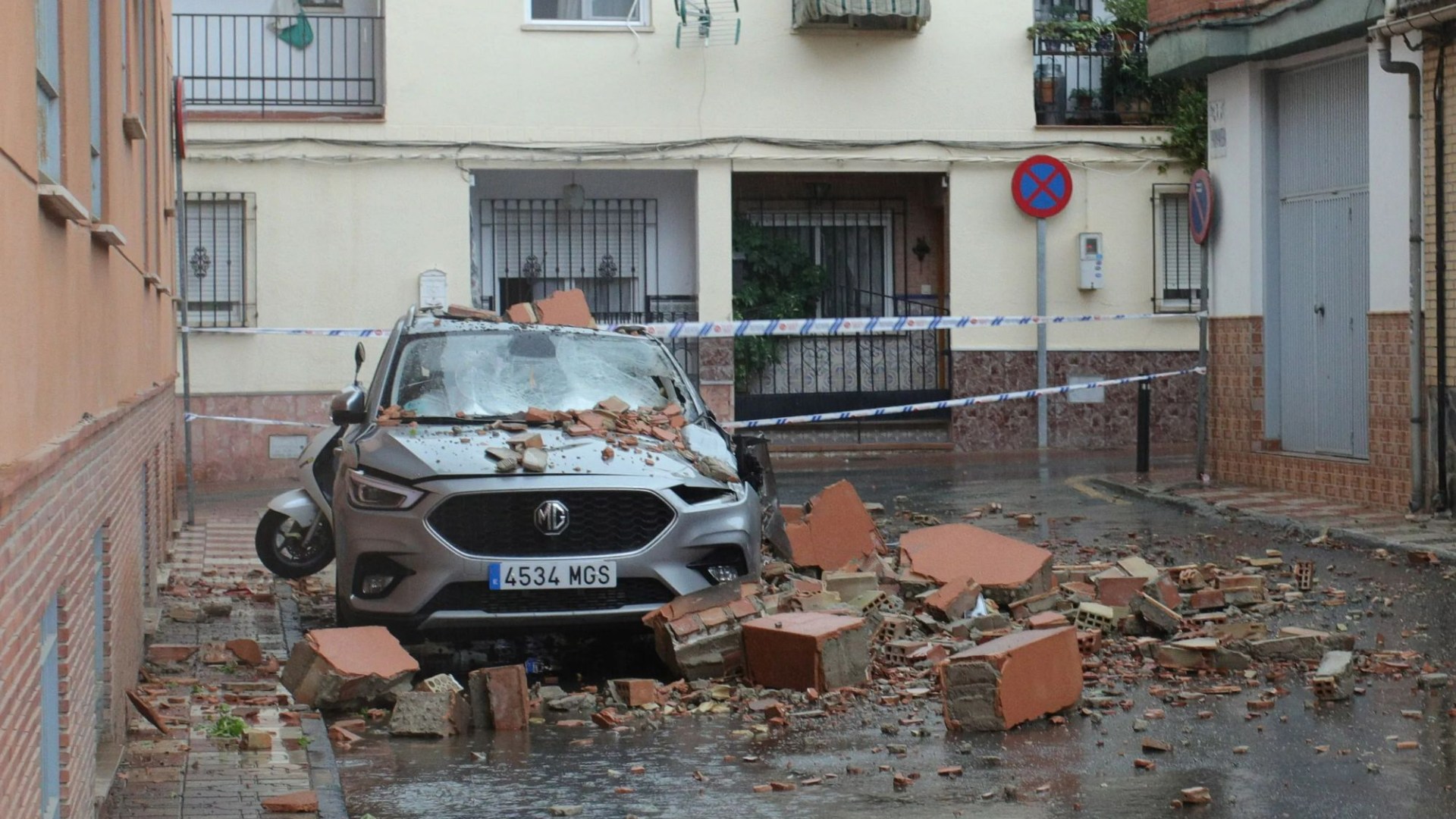
During the 4.8-magnitude Granada quake, a building collapsed in the affected area, illustrating that some structures were not able to withstand the tremor.
The latest event had Alhendín as its epicenter with a depth of about five kilometers and a recorded magnitude of 4.6 (per IGN), occurring at 10:37 a.m., in the wake of a preceding magnitude-5 quake nearby.
Eyewitness reports describe shaking lasting several seconds and being felt across a wide area of Andalucia, including the Costa del Sol, with some residents noting objects like guitars and furniture moving.
Public alerts and aftershock activity were notable, with Google earthquake alerts triggering on phones as the tremor was followed by hundreds of aftershocks (more than 350 reported since Friday).
Granada, Spain has been struck by a second major earthquake in less than a week. A magnitude-4.7 to 4.8 tremor hit at 10:37 a.m. on Tuesday, injuring at least three people and forcing the evacuation of the Alhambra, one of Spain's most visited tourist sites. The Olive Press reported that a building collapsed in the affected area.
The quake follows a magnitude-5.2 event just days earlier. Together, they are part of a seismic series that has sent more than 350 aftershocks through southern Spain since Friday. Shaking was felt as far away as the Costa del Sol, rattling residents across Andalusia.
Second Major Quake Strikes Granada in Four Days
The epicenter of Tuesday's quake was near Gójar and Alhendín, at a depth of just five kilometers. Euro Weekly News reported a provisional magnitude of 4.8. Shallow quakes — those less than 10 kilometers deep — tend to cause stronger shaking at the surface. That made this tremor especially disruptive despite its moderate size.
The Sun reported at least three injuries. Emergency crews evacuated the Alhambra, a UNESCO World Heritage site that draws millions of visitors each year. One building collapsed, though authorities have not yet reported any deaths from Tuesday's event.
Residents Across Andalusia Felt the Ground Shake
Eyewitnesses described shaking that lasted several seconds. Furniture moved. Guitars fell off walls. The Leader noted the tremor was felt well beyond Granada city, reaching communities across Andalusia including towns on the Costa del Sol. Google earthquake alerts fired on phones across the region.
The quake hit on a Tuesday morning — a time when many people were indoors at work or home. That timing likely limited casualties. Still, the shaking was strong enough to trigger building evacuations and send residents into the streets in alarm.
Over 350 Aftershocks Since Friday's Larger Quake
Spain's National Geographic Institute, known as IGN, has been tracking the seismic sequence closely. More than 350 aftershocks have been recorded since the magnitude-5.2 quake struck Friday. The Olive Press reported that Tuesday's 4.8-magnitude event is the strongest tremor in the series since that initial shock.
IGN and local authorities have urged residents to stay alert and follow safety guidelines. Aftershocks can continue for days or even weeks after a major quake. Officials say there is no way to predict when the activity will fully stop.
Why Granada Sits in One of Spain's Most Seismic Zones
Southern Spain sits near the boundary of the Eurasian and African tectonic plates. That collision zone runs through Andalusia and makes Granada province one of the most seismically active areas in the country. Moderate-to-strong quakes are not rare here, but sequences of this intensity are still alarming for locals.
The Leader noted Granada has now been "rocked again" just four days after the prior major tremor. Structural damage from that earlier quake may have weakened some buildings, making them more vulnerable to Tuesday's follow-up shock. Engineers and inspectors are expected to assess structures in the hardest-hit areas.
Sentiment
Mostly NegativePublishers
44
Articles
113
Reach
157


