Flores Quake Crisis Deepens
Deadly 7.7-Magnitude Quake Devastates Flores; Thousands Displaced as Aid Efforts Struggle
Key Points
Nearly 1,600 aftershocks have been recorded since Saturday, including a 5.6-magnitude event on Monday, complicating rescue work; the quake's epicenter was about 10 km deep.
Displacement scale is extensive: about 5,000 people are in temporary shelters across the province, with Flores alone seeing more than 1,300 homes damaged and around 250 destroyed.
Aid and security response has intensified, with more than 3,500 military and police personnel deployed and around 275 tonnes of aid dispatched; relief is being delivered by helicopters, planes, ships, and search-and-rescue assets, though terrain and damaged infrastructure slow progress.
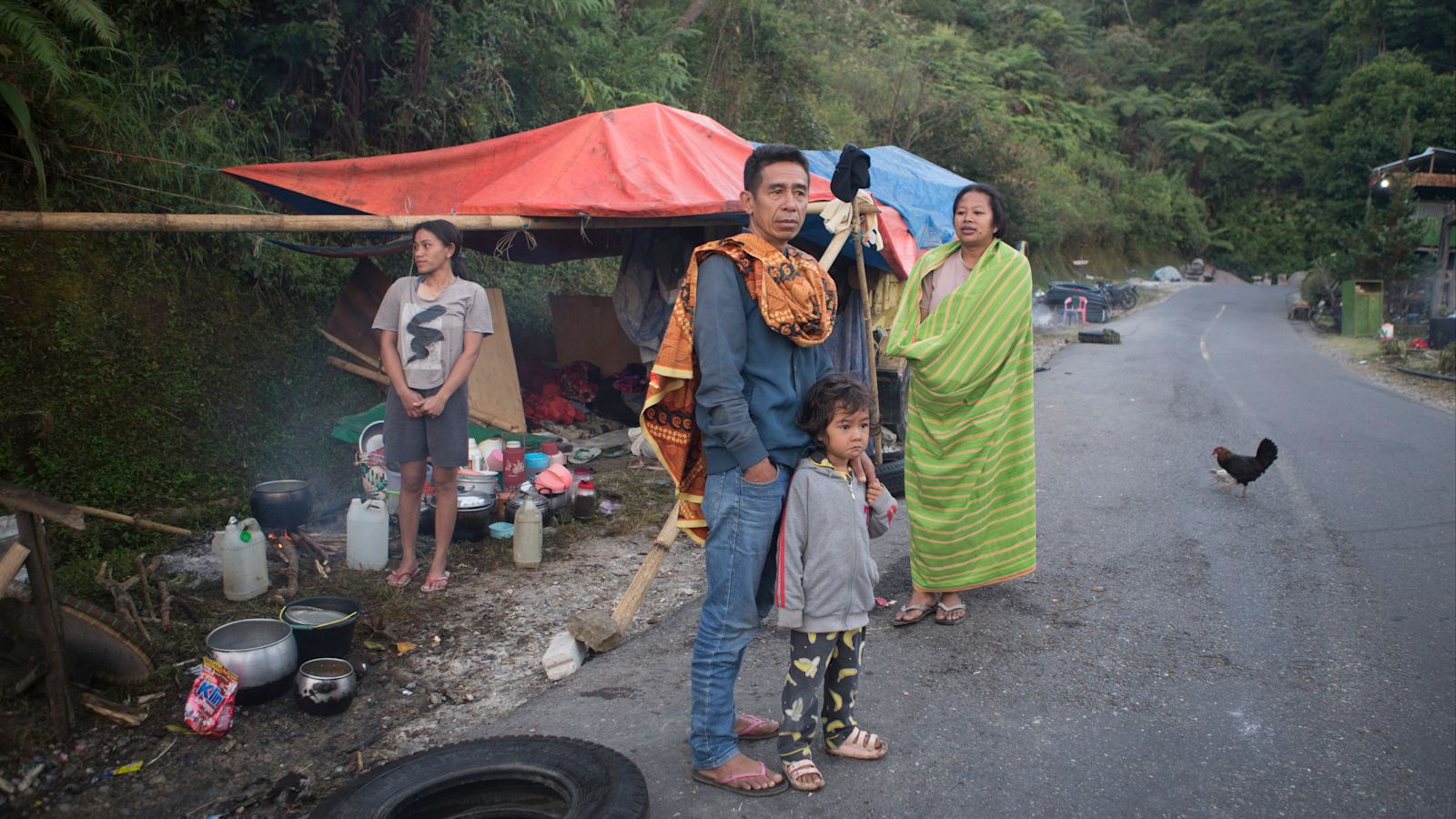
Residents report acute delays and shortages in essential supplies, with many sleeping outdoors in tarpaulin tents and some saying there has been no government aid—no tents, medicine, or food yet.
A magnitude-7.7 earthquake struck off the northern coast of Flores Island in East Nusa Tenggara, Indonesia, on August 15, killing at least 68 people and injuring more than 213 others, according to ITV News. The quake hit at 5:58 a.m. local time, at a shallow depth of just 10 kilometers — close enough to cause devastating shaking across densely populated areas. The disaster unfolded on Indonesia's 81st Independence Day, casting a shadow over national celebrations in Jakarta.
Nearly 19,000 people have been displaced, with about 5,000 sheltering in temporary camps, according to Daily New Nation. Over 4,500 homes were damaged or destroyed across the province. More than 1,576 aftershocks have been recorded since the mainshock, including a magnitude-5.8 tremor on Independence Day morning — keeping terrified residents sleeping outdoors under tarps.
Aid Trickles In as Isolated Villages Go Without
The Indonesian government dispatched more than 3,500 military and police personnel to Flores within 48 hours. President Prabowo Subianto sent 50,000 aid packages — totaling 275 tonnes of supplies — by helicopter, plane, and ship, according to NW Asian Weekly. But residents in cut-off mountain villages say none of it has arrived.
One survivor in Reo Village, Manggarai Regency, described his situation starkly: "My house is just rubble now. We need food, medicine and clean water urgently." East Nusa Tenggara Governor Emanuel Melkiades Laka Lena declared a 14-day state of emergency and called on private contractors to mobilize heavy equipment: "We hope that contractors will mobilize to aid in the evacuation process and the reopening of disrupted roads."
Landslides and Broken Roads Block Every Route In
Landslides triggered by the quake blocked key roads, including the Ende-Nagekeo route, leaving roughly 12,800 people unable to return home, according to Daily New Nation. The airport terminal roof in Ruteng collapsed. The passenger terminal at Maumere Port was completely destroyed. Rugged terrain made helicopter drops the only reliable way to reach many villages.
Communications were also knocked out across wide areas. Search-and-rescue teams pulled at least 16 bodies from a single landslide in one village alone. Officials say 122 health facilities and 252 schools were structurally damaged, forcing clinics and classrooms into makeshift tents. The combination of broken roads and downed communications slowed every aid convoy.
1,576 Aftershocks Rattle Survivors Still Outdoors
Since the mainshock, BNPB has recorded more than 1,576 aftershocks — 46 of them strong enough for residents to feel. The largest was a magnitude-5.9 event. Fear of further collapses has kept thousands from re-entering their homes, according to ITV News. Many are sleeping in tarpaulin tents with no electricity, no clean water, and dwindling food supplies.
The fear is not just about this quake. Flores was hit by a magnitude-7.8 earthquake in December 1992 that killed around 2,500 people and sent a massive tsunami crashing into Maumere. Survivors say those memories shape how people are reacting now — few are willing to go back inside their homes until the shaking fully stops.
Public Health Crisis Looms in Crowded Camps
With roughly 19,000 people packed into open-air shelters, aid workers warn of a growing public health emergency. Contaminated water wells, collapsed sanitation systems, and a shortage of medicine create conditions ripe for waterborne disease. At least 213 people are already injured and need ongoing care, according to Yahoo News.
Church networks have stepped in where government aid has been slow. On Flores — where much of the population is Catholic — local parishes and Caritas volunteers became the first responders in many communities. The Indonesian government faces pressure to prove it can reach its outer islands as fast as it reaches Java. President Prabowo said: "We want to ensure our brothers and sisters there receive swift and effective emergency assistance."
Sentiment
Mostly NegativePublishers
45
Articles
359
Reach
404