South American Tour
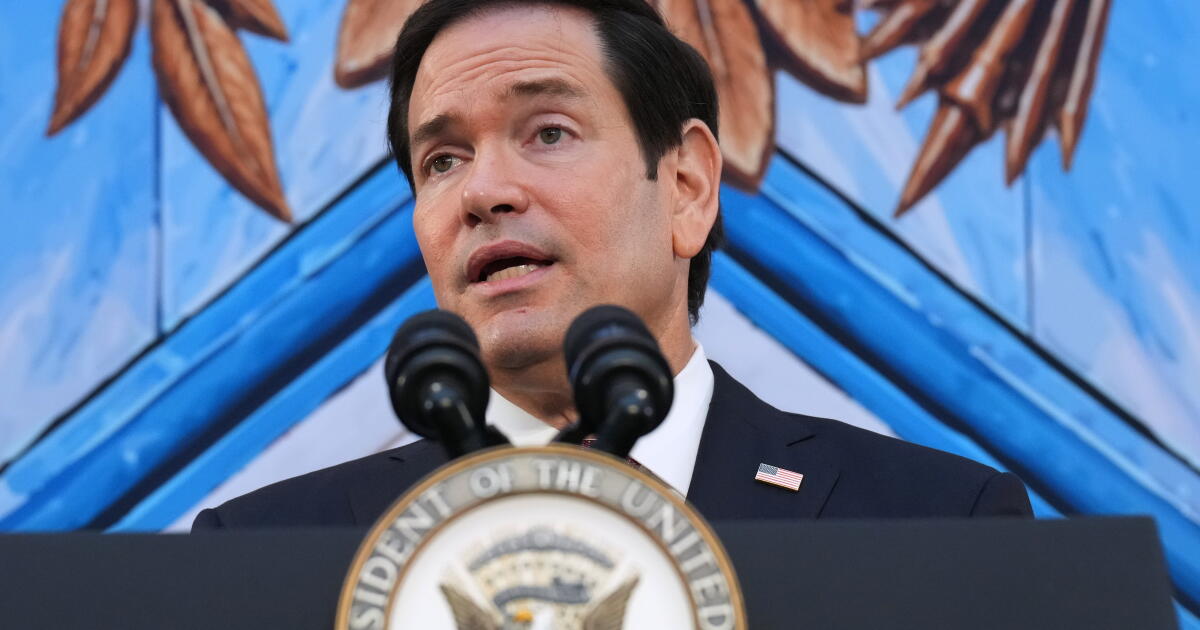
Secretary of State Marco Rubio begins a three-country tour of South America.
Anonymous
Key Points
1
Rubio’s itinerary includes meetings with Ecuadorian President Daniel Noboa and Peruvian President Keiko Fujimori after his stop in Colombia.
2
Colombia’s President Abelardo de la Espriella won June’s runoff after promising to end peace talks with drug-running armed groups and take a tougher approach to crime; his government has since authorized joint military operations with the United States and stepped up air assaults.
3
De la Espriella has requested that Washington suspend customs duties to help support reconstruction after the earthquake.
4
The Trump administration has described its effort to assert greater influence in the hemisphere as the “Donroe Doctrine,” a reference to the Monroe Doctrine, while also adopting a more militaristic security approach in Latin America.
5
The administration has killed at least 227 people over the past year in strikes on boats it alleges were carrying drugs in the Caribbean and Pacific; critics argue the strikes are illegal and have not reduced drug trafficking.
Secretary of State Marco Rubio is touring three South American countries this week to strengthen ties with newly elected right-leaning leaders who align with President Trump. BSS News reports that Rubio's first stop is Colombia, where he will meet President Abelardo de la Espriella to discuss trade, drug trafficking cooperation, and earthquake recovery aid after a disaster that killed more than 300 people.
The trip reflects the Trump administration's strategy to increase U.S. influence across the Western Hemisphere at a moment when Latin American governments are shifting rightward. LA Times notes that Rubio will also visit Ecuador and Peru, meeting with conservative leaders who support Washington's counter-drug priorities and security approach in the region.
Colombia's New Leader Breaks With Peace Talks
De la Espriella won Colombia's runoff election in June after promising to end peace negotiations with armed drug-trafficking groups and take a tougher security stance. AJC reports that his government has since authorized joint military operations with the United States and stepped up air assaults against suspected drug smugglers operating in Caribbean and Pacific waters.
The shift marks a dramatic reversal from former President Gustavo Petro's approach, which prioritized dialogue. De la Espriella's alignment with Washington has already improved bilateral relations and positioned Colombia as a key partner in the Trump administration's regional security strategy.
Earthquake Damage Opens Door to Trade Negotiations
Colombia's devastating earthquake destroyed schools, hospitals, and thousands of homes, creating both a humanitarian crisis and an opportunity for Washington to build goodwill. De la Espriella has requested that the U.S. suspend customs duties to help fund reconstruction, linking earthquake recovery directly to broader commercial negotiations between the two countries.
U.S. aid and tariff relief can demonstrate to Colombian voters that alignment with Trump delivers concrete domestic benefits. WTOP notes that visible American support positions the new government as effective at securing resources from its powerful northern ally, reinforcing the political case for closer ties.
Militarized Drug Campaign Faces Legal Questions
The Trump administration has launched what critics call an aggressive and potentially illegal campaign against suspected drug-smuggling boats. WRAL reports that the administration has killed at least 227 people over the past year in strikes on vessels it alleges carried drugs in the Caribbean and Pacific.
Legal experts and human rights groups question whether these strikes comply with international law. Critics also argue the strikes have not reduced drug trafficking, raising doubts about both the legality and effectiveness of the militarized approach that underpins the administration's Latin American security strategy.
Rubio's Tour Signals Regional Realignment Strategy
The three-nation itinerary connects Colombia, Ecuador, and Peru at a pivotal moment when several Latin American governments are aligning more closely with Washington. The administration has labeled this effort the "Donroe Doctrine," referencing the Monroe Doctrine while adopting a more militaristic security posture across the region.
Success depends on whether cooperation produces real economic gains and credible security results. If the strategy appears primarily coercive or ideological, the regional coalition could fracture. Rubio's meetings will test whether right-leaning leaders view closer ties to Trump as mutually beneficial or risky.
Sentiment
Mostly NegativeNEGATIVENEUTRALPOSITIVE
Publishers
42
Articles
364
Reach
406
A
AnonymousAuthor


