US-Colombia Energy Pacts
US and Colombia sign critical minerals and nuclear energy pacts during Rubio visit
Anonymous
Key Points
1
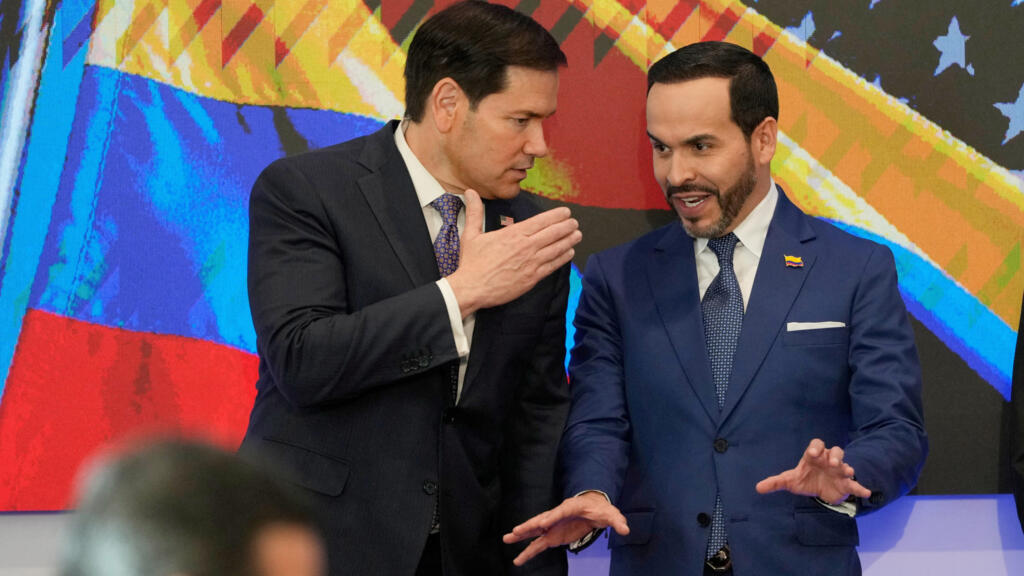
The arrangements were signed in Barranquilla on September 8 by Secretary of State Marco Rubio and Colombian Foreign Minister Omar Bula, and were presented as part of an effort to reinvigorate the more than 200-year U.S.-Colombia partnership.
2
The critical-minerals framework calls for the two governments to jointly identify and finance mining and processing projects within six months of signing, using tools such as loan guarantees, loans, equity investments, offtake agreements, insurance and regulatory facilitation.
3
The minerals agreement also envisions market-protective measures such as price floors and national-security review tools for sales of critical-minerals assets, in addition to geological mapping and recycling cooperation.
4
The civil-nuclear framework covers non-power uses including research reactors, radioisotopes, nuclear medicine, agricultural applications and waste management, not only potential electricity-generating reactors.
5
Rubio described the wider regional strategy as alignment with Washington on both security and economics, saying the countries on his three-nation tour shared interests in confronting “regional transnational criminal terrorism” and expanding economic engagement.
The U.S. and Colombia signed two major agreements on September 8 to expand cooperation on critical minerals and nuclear energy, marking a strategic pivot toward the Western Hemisphere. Secretary of State Marco Rubio and Colombian Foreign Minister Omar Bula inked the deals in Barranquilla, aiming to strengthen supply chains and reduce reliance on China-influenced sources.
The minerals framework commits both governments to jointly identify and finance mining and processing projects within six months using loan guarantees, equity investments, and regulatory support. The nuclear pact covers everything from research reactors and radioisotopes to potential small modular reactors, emphasizing safety and nonproliferation standards.
A Minerals Partnership to Counter Chinese Supply Chains
The critical-minerals agreement establishes tools to identify resources and fund extraction projects across Colombia. Reuters reported the framework includes loan guarantees, loans, equity investments, and offtake agreements—long-term contracts promising to buy specific quantities of minerals at set prices.
Both nations will coordinate geological mapping and recycling efforts to strengthen supply resilience. The deal also includes market safeguards such as price floors and national-security review mechanisms for large asset sales, protecting strategic minerals from unwanted foreign ownership.
Civil Nuclear Cooperation Beyond Power Generation
The nuclear framework goes beyond electricity-generating reactors to cover research applications, medical isotopes, and agricultural uses. Associated Press noted the agreement emphasizes workforce development, regulatory frameworks, and potential transfer of advanced U.S. technology including small modular reactors.
Nonproliferation and security standards form the core of the arrangement, reflecting U.S. concerns about nuclear materials safety. The pact positions Colombia as a stable partner for peaceful nuclear research and application in the Americas.
Rubio's Broader Push for Western Hemisphere Alignment
These agreements fit Rubio's three-nation tour to reinvigorate ties with conservative regional allies. Fox News reported Rubio emphasized shared interests in confronting what he called 'regional transnational criminal terrorism' and expanding economic engagement across Latin America.
The deals represent Washington's effort to deepen strategic relationships in the Western Hemisphere after four years of leftist rule in Colombia. By offering financial tools and technology partnership, the U.S. aims to position itself as the preferred economic and security partner for Colombia's new pro-aligned government.
Sentiment
Mostly PositiveNEGATIVENEUTRALPOSITIVE
Publishers
15
Articles
24
Reach
39
A
AnonymousAuthor


