TUI's Resilience
TUI Reports Resilient Q3, Reaffirms FY26 EBIT Guidance Despite Geopolitical Headwinds
Key Points
Q3 EBIT by segment shows Hotels & Resorts €122.7m, Cruises €132.4m, Musement €22.7m, while Markets + Airline posted a negative €17.4m (all at constant currency), illustrating the uneven performance within the quarter.
Nine-month underlying EBIT excluding €81m of one-offs stood at about €123m, implying around a €40m year-on-year improvement versus the previous year.
Booking momentum improved in the short term, with four-week bookings running about 7% ahead of the prior year, while Winter 2026/27 remains at an early stage with limited visibility as customers book closer to departure.
CEO Sebastian Ebel commented: "2026 is no ordinary year. TUI has held its own in a difficult global environment. Our business model is proving to be resilient. Travel remains highly relevant to people’s lives, but the timing of travel decision has shifted."
TUI, Europe's largest travel operator, reported a sharp drop in Q3 profits as the Iran war and a Jamaica hurricane cost the company €81 million in one-off charges, Upday reported. Pre-tax profit fell 43% to €153.4 million in the three months to June 30, 2026, even as the company held firm on its full-year earnings target.
Despite the hit, TUI reaffirmed its full-year underlying EBIT guidance of €1.1 billion to €1.4 billion. Q3 underlying EBIT came in at around €234 million on a constant-currency basis, down from a record prior year, on revenue of €5.82 billion, according to MarketScreener.
Iran War and Hurricane Costs Hit Bottom Line Hard
TUI absorbed €81 million in one-off costs over its first nine months. A single €20 million charge tied to the Iran war hit Q3 alone. Rising jet fuel prices added further pressure, with Sharecast noting that higher fuel costs were a key driver of the operating profit decline.
The Iran conflict hurt bookings across the board. Customers grew uncertain and delayed travel decisions. Euronext reported that TUI missed Q3 operating profit forecasts and only narrowly avoided issuing another profit warning, as falling bookings and high fuel prices continued to squeeze margins.
Cruises and Hotels Carry the Quarter
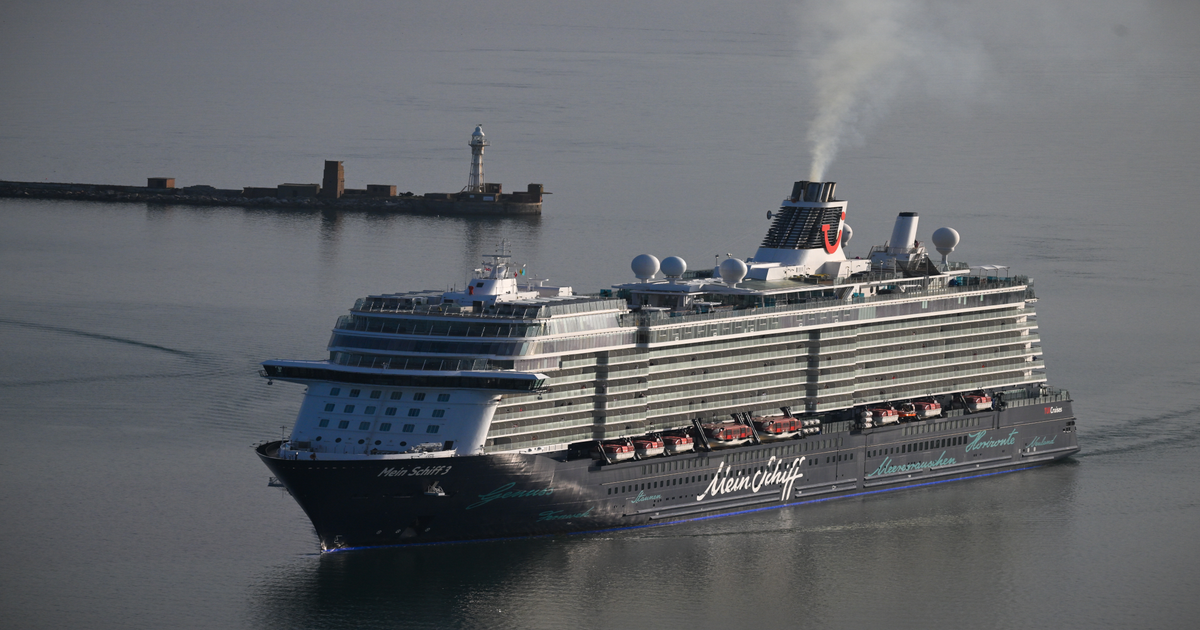
TUI's divisions performed unevenly in Q3. Hotels & Resorts earned €122.7 million in underlying EBIT. Cruises were the strongest unit at €132.4 million. Musement, the tours and activities arm, added €22.7 million. All figures are at constant currency.
The weak link was Markets & Airline, which posted a loss of €17.4 million. That division carries the bulk of the geopolitical exposure. Still, the strong performance from asset-heavy units like Cruises helped offset the damage and kept the group's nine-month underlying EBIT — excluding the €81 million in one-offs — at roughly €123 million, about €40 million better than the prior year.
Bookings Picking Up as Travelers Book Later
Short-term demand is recovering. Four-week bookings are running about 7% ahead of the same period last year. But customers are booking closer to their departure dates than before. That shift is changing how TUI reads demand signals and plans capacity.
CEO Sebastian Ebel summed it up plainly: "2026 is no ordinary year. TUI has held its own in a difficult global environment. Our business model is proving to be resilient. Travel remains highly relevant to people's lives, but the timing of travel decisions has shifted." Winter 2026/27 bookings remain thin, though TUI says that reflects late-booking trends rather than weak underlying demand.
Full-Year Target Held Despite Mounting Uncertainty
TUI is sticking to its FY26 guidance of €1.1 billion to €1.4 billion in underlying EBIT at constant currency. Nine-month revenue reached around €14.4 billion to €14.5 billion, according to MarketScreener. The company served 34.7 million guests over the period, per The Traveler.
Holding the guidance range sends a clear message: TUI believes the worst of the geopolitical turbulence is already in the numbers. Whether that proves true depends heavily on how the Iran conflict evolves and whether fuel costs ease in the months ahead.
Sentiment
Mostly NegativePublishers
18
Articles
23
Reach
41


