Hawaii Hurricane Emergency
Hawaii Declares Statewide Emergency as Major Hurricane Lowell Approaches the Islands
Anonymous
Key Points
1
Hurricane Iniki struck Kauaʻi on Sept. 11, 1992, with sustained winds of 145 mph. The storm destroyed nearly 1,500 homes, caused major damage to another 5,000, and affected 14,350 homes overall.
2
Iniki destroyed more than one-third of Kauaʻi’s power lines; 20% of the island remained without electricity four weeks after landfall, while some residents waited months for power to return.
3
Gov. Josh Green’s emergency declaration is intended to free up state resources and activate Hawaii National Guard units as Lowell approaches.
4
Lowell reached Category 5 strength on Wednesday before weakening to Category 3 by early Friday, when it was located more than 500 miles south of Hawaii.
5
Forecasters say Lowell could send heavy swell toward Hawaii’s southern shores even if its center remains offshore, increasing the risk of coastal flooding and other ocean hazards.
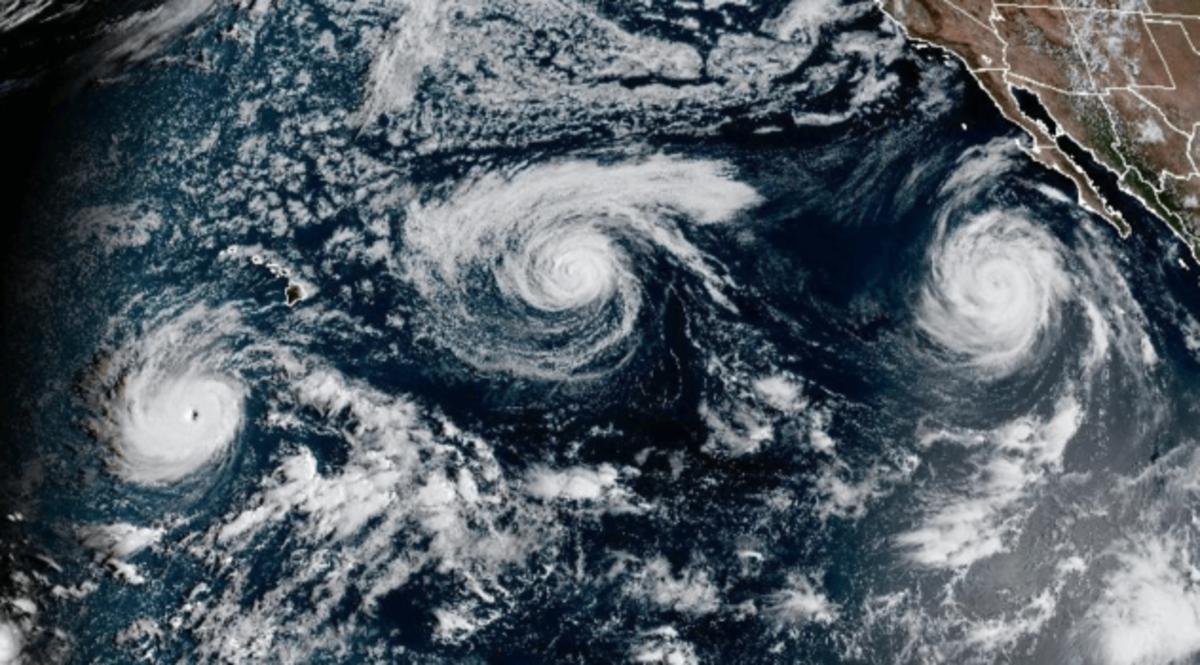
Hawaiʻi declared a statewide emergency Friday as major Hurricane Lowell approached after three tropical threats battered the islands in less than a month. The Category 3 storm is expected to slow and turn sharply north this weekend, potentially passing near Kauaʻi and other western islands late Monday or early Tuesday, bringing hurricane-force winds, storm surge, heavy rain, and dangerous surf UPI.
The projected track mirrors Hurricane Iniki, which devastated Kauaʻi on September 11, 1992, killing seven people and destroying nearly 1,500 homes Big Island Now. That storm destroyed more than one-third of the island's power lines, leaving 20% without electricity four weeks after landfall Big Island Now. Gov. Josh Green's emergency declaration aims to free state resources and activate Hawaii National Guard units Maui Now.
Lowell Weakened But Remains a Serious Threat
Hurricane Lowell reached Category 5 strength Wednesday before weakening to Category 3 by early Friday, when it sat more than 500 miles south of Hawaiʻi AccuWeather. Forecasters warn the storm could send heavy swell toward Hawaiʻi's southern shores even if its center stays offshore, raising risks of coastal flooding and ocean hazards AccuWeather. The exact track remains uncertain because of shifting atmospheric conditions and nearby weakening Hurricane Karina.
Counties Mobilize as Residents Face Evacuation Orders
County officials are clearing drainage systems and preparing emergency resources as Lowell closes in UPI. Campers and residents in vulnerable areas face orders to evacuate or maintain hurricane plans and supply kits UPI. Peak high tides could worsen coastal inundation across exposed neighborhoods. Authorities emphasized that damage can occur far from the storm's center through heavy rainfall and powerful surf.
Why Hawaiʻi Faces Multiple Storms Despite Rare Landfalls
Hawaiʻi's location usually reduces direct hurricane landfalls: cooler waters east of the islands and a summertime high-pressure area weaken or redirect approaching systems. However, shifting warm-water and atmospheric patterns can increase tropical cyclone formation and make multiple close approaches more likely. Three tropical threats in a month suggest current conditions are unusually active in the central and eastern Pacific.
Iniki's 1992 Devastation Echoes 34 Years Later
When Hurricane Iniki struck Kauaʻi with sustained 145 mph winds, it destroyed nearly 1,500 homes and heavily damaged about 5,000 more, affecting 14,350 homes overall Big Island Now. Power-network failures proved as damaging as wind: the island lost one-third of its power lines, and some residents waited months for electricity to return Big Island Now. That destruction underscores Hawaiʻi's principal vulnerabilities: coastal exposure, limited supply routes, mountainous runoff, and fragile power connectivity that can prolong recovery for weeks or months.
Sentiment
Mostly NegativeNEGATIVENEUTRALPOSITIVE
Publishers
25
Articles
68
Reach
93
Topics
A
AnonymousAuthor


