OpenAI Buys Camera Startup
OpenAI Acquires Camera Startup Glass Imaging for $300 Million to Expand Hardware
Anonymous
Key Points
1
Glass Imaging’s founders previously led the team responsible for Apple’s iPhone Portrait Mode, giving OpenAI access to engineers with direct experience developing major smartphone-camera features.
2
Glass Imaging had raised about $30 million before the acquisition, according to TechCrunch, while its zoom-imaging technology had already been incorporated into Honor smartphones, according to Asianet Newsable.
3
Glass Imaging’s founders argued that smartphone-camera improvements were approaching a technological “glass ceiling,” prompting the company to combine hardware and software rather than relying mainly on larger sensors, more cameras and increasingly complex optics.
4
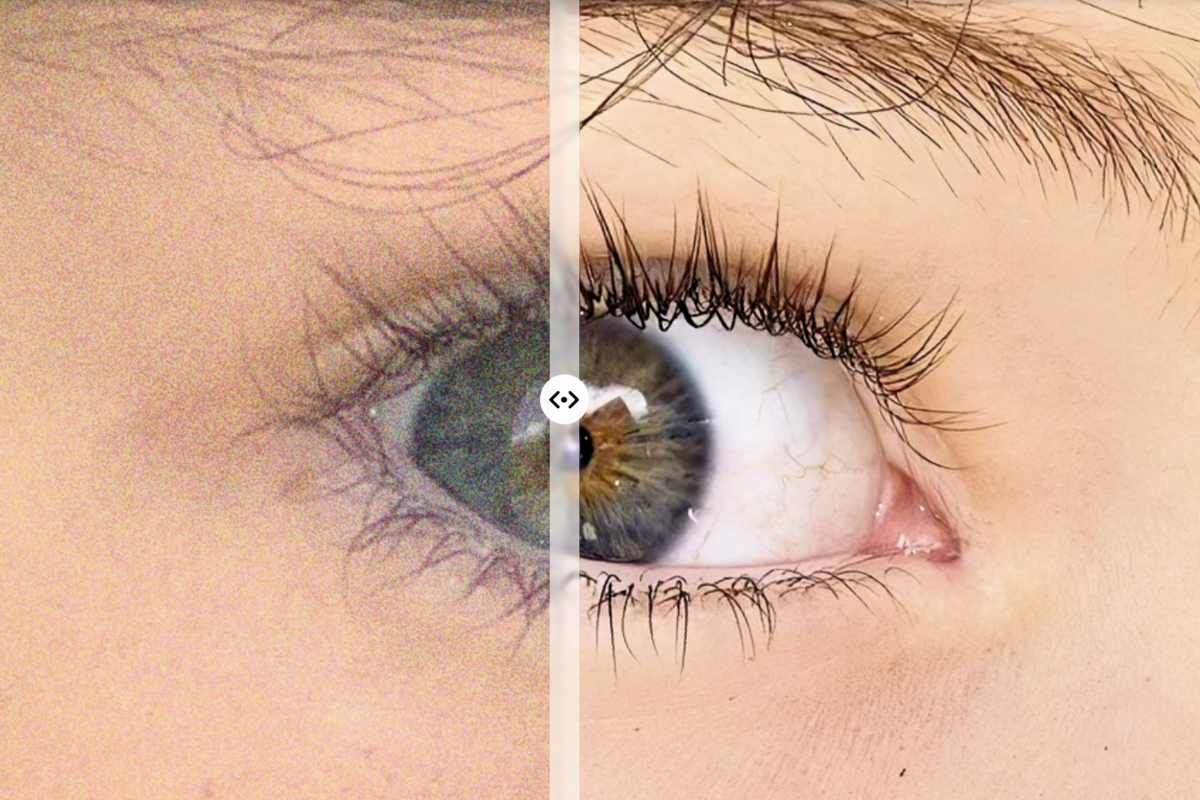
GlassAI is designed to process raw image data at the edge, correcting optical aberrations, sensor imperfections and noise while preserving real image content instead of generating or “hallucinating” details.
5
In a May 2025 announcement, Glass Imaging claimed its technology could improve camera performance by 10 times; CEO Ziv Attar said it was intended to “unlock the full potential of all cameras” and produce “razor sharp imagery.”
OpenAI has acquired Glass Imaging, a smartphone-camera startup, for more than $300 million, according to Dataconomy. The deal marks OpenAI's latest move into consumer hardware, building on its work with designer Jony Ive and signaling plans to expand beyond AI software.
Glass Imaging, founded in 2019 by former Apple engineers Ziv Attar and Tom Bishop, developed computational-imaging technology that improves photos at the moment of capture using neural networks. The company's GlassAI system corrects optical flaws and sensor limitations to produce sharper images from compact cameras — with applications in smartphones, drones, and wearables, Yahoo Finance reported.
How Glass Imaging Improves Smartphone Photos
Glass Imaging's technology processes raw image data at the edge of the device. It fixes optical aberrations, sensor imperfections, and noise while keeping real image content intact — it doesn't generate or 'hallucinate' fake details. In May 2025, CEO Ziv Attar claimed the technology could improve camera performance by 10 times, designed to 'unlock the full potential of all cameras' and produce 'razor sharp imagery,' according to Yahoo Finance.
Why OpenAI Acquired Former Apple Camera Engineers
Attar and Bishop previously led the team at Apple that developed iPhone Portrait Mode, one of the most recognized smartphone-camera features. Their expertise gives OpenAI direct access to proven engineers who know how to ship major camera innovations. The acquisition reportedly valued Glass well above its $100 million valuation from a 2025 funding round, according to Dataconomy.
Glass Imaging's Technology Was Already in Smartphones
Before the OpenAI acquisition, Glass Imaging had raised about $30 million and already placed its zoom-imaging technology in Honor smartphones, according to Asianet Newsable. The founders argued that smartphone cameras were hitting a technological 'glass ceiling' — that sensor size and additional cameras alone couldn't deliver the next leap. Their solution combined hardware and software instead of relying on bigger optics.
OpenAI's Broader Push Into Consumer Hardware
OpenAI has not revealed how it will use Glass Imaging's technology. But the deal fits a larger pattern: OpenAI is collaborating with legendary designer Jony Ive and actively building new consumer devices, according to Yahoo Finance. The acquisition hints that OpenAI may be developing an AI-powered gadget — likely one that relies on advanced camera capabilities to understand and respond to the world around users.
Sentiment
Mostly PositiveNEGATIVENEUTRALPOSITIVE
Publishers
18
Articles
41
Reach
59
A
AnonymousAuthor


