Tata Sons Fights Listing
Noel Tata Steers RBI Talks to Keep Tata Sons Unlisted Amidst Key Governance Shift
Key Points
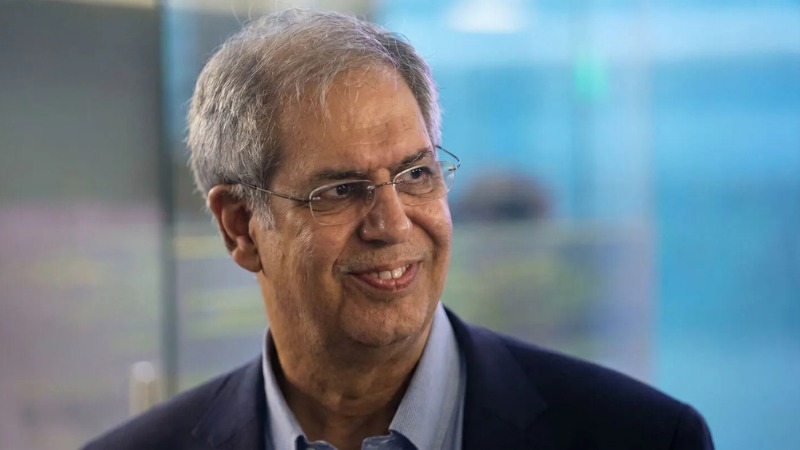
Noel Tata chairs Tata Trusts, which own about two-thirds of Tata Sons, positioning him as the primary representative for the majority stakeholder in regulatory talks and signaling a family-led shift in governance as Ratan Tata's death in 2024 accelerates leadership changes.
Noel Tata is expected to formally request the RBI to allow Tata Sons to remain unlisted, with the regulator requiring unanimous consensus within the Tata Group before such a decision is considered.
Tata Sons was designated as an Upper Layer NBFC in 2022, which typically triggers a public listing deadline; in recent communications to the RBI, the group has sought to avoid listing by pursuing reclassification and removal from the NBFC category, including assurances in 2024 that it would not engage in financial services activities.
As part of its Core Investment Company (CIC) strategy, Tata Sons has retired external debt and given undertakings that it will not lend to group entities with new debt or guarantee such borrowings for a fee, aiming to keep the holding structure private while governance evolves.
Noel Tata, chairman of Tata Trusts, is set to meet Reserve Bank of India officials before the end of August 2026 to push for keeping Tata Sons unlisted, according to Adgully and Storyboard18. The move comes days after Tata Sons chairman N. Chandrasekaran said he will not seek reappointment when his term ends in February 2027, triggering a leadership shake-up at India's largest conglomerate.
Tata Sons was classified as an Upper Layer NBFC — a type of large non-bank lender regulated by the RBI — in 2022. That label normally requires the company to list its shares on a stock exchange by September 2025. Tata Sons has spent years fighting to avoid that outcome, and Noel Tata is now leading that charge directly.
Why Tata Sons Wants to Stay Off the Stock Market
Tata Sons is the holding company that controls the vast Tata Group empire. Tata Trusts, which Noel Tata chairs, own roughly two-thirds of Tata Sons. A public listing would expose that ownership structure to market scrutiny and shareholder pressure — something the Tata family has long wanted to avoid, according to Adgully.
The group's preferred escape route is reclassification as a Core Investment Company, or CIC. A CIC is a holding company that mainly holds shares in other firms and does not lend money or offer financial services. That status would allow Tata Sons to sidestep the listing requirement entirely.
Steps Tata Sons Has Already Taken to Qualify as a CIC
Tata Sons has been building its case with the RBI for years. The company has retired all external debt. It has also pledged not to lend money to group companies using new debt, and will not guarantee such borrowings for a fee, according to Storyboard18 and Inshorts. These steps are designed to show the RBI that Tata Sons no longer acts like a lender.
In 2024, Tata Sons gave the RBI formal assurances that it would not engage in financial services activities. The RBI has set one key condition before making any decision: it wants unanimous agreement from across the entire Tata Group. Getting every major entity to align is no small task.
Chandrasekaran's Exit Opens a Leadership Vacuum at the Top
Chandrasekaran's announcement that he will not renew his chairmanship sent immediate shockwaves. Tata Sons postponed its annual general meeting, which was scheduled for August 18, according to Yahoo Finance and The Deep Dive. No new date has been announced.
The postponement reflects deeper governance questions inside Tata Trusts, the charitable bodies that control the group. Ratan Tata's death in 2024 already accelerated changes at the top. Noel Tata stepping up to lead the RBI talks signals that the family is tightening its grip on key decisions as the transition unfolds.
What Happens If the RBI Says No to Staying Unlisted
The RBI meeting is expected before the end of August 2026, according to Inshorts. If the regulator rejects the CIC reclassification bid, Tata Sons could be forced to list — a move that would fundamentally alter how the Tata family controls the group. A listing would mean outside shareholders and public disclosure of finances.
The stakes are high. The outcome of these talks will shape the ownership and governance of a conglomerate that spans over 100 companies, from airlines to steel to software. For now, all eyes are on Noel Tata and whether he can convince the RBI to let the holding structure stay private.
Sentiment
Mostly NegativePublishers
15
Articles
9
Reach
24