Record Customs Revenue
Kenya's Customs Department Sets New Record, Exceeding July Revenue Target by KSh6.37 Billion
Key Points
July 2026 collection stood at 107.39% of the National Treasury target (KSh86.16 billion), beating the target by KSh6.37 billion and signaling strong momentum into the 2026/27 financial year.
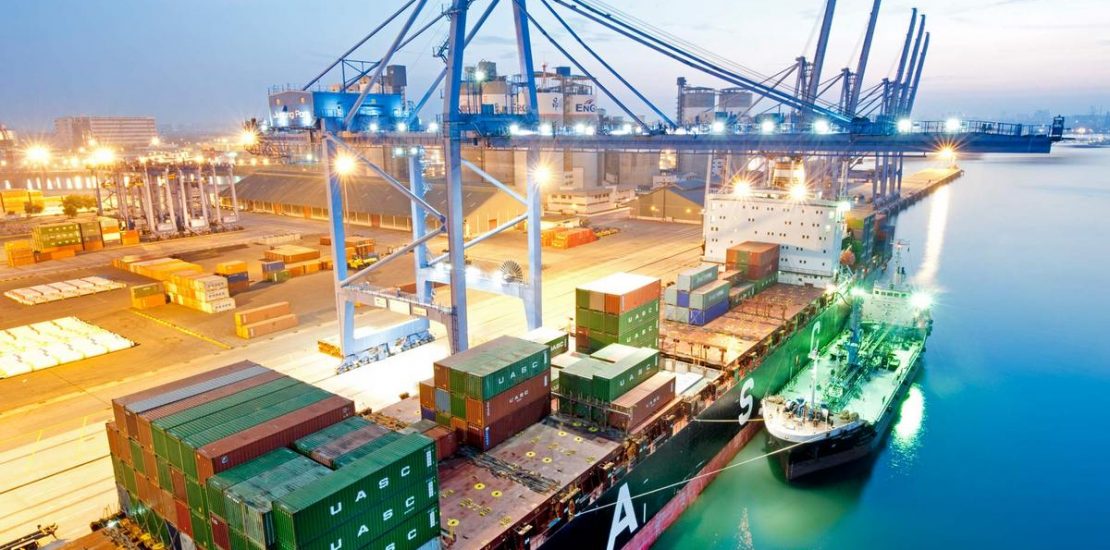
The Nairobi Inland Container Depot (NICD) was highlighted alongside the Port of Mombasa as a focus area for faster clearance and improved compliance.
Analysts credited digital tracking, port valuations, and streamlined cargo clearance as key drivers of the July surge, reflecting a broader push to modernize border controls.
July 2026 is reported as the highest-ever monthly revenue collection for Kenya's Customs department.
The July total amounted to about USD 714 million, illustrating the scale of revenue flowing through Kenya's border controls.
Kenya's tax collection arm just broke its own record. The Kenya Revenue Authority's Customs and Border Control Department collected KSh92.53 billion in July 2026 — the highest single-month haul in its history, according to Nairobi Leo. That figure beat the National Treasury's target of KSh86.16 billion by KSh6.37 billion, or about 107% of the goal.
The July result also marks a 15.3% jump from the KSh80.29 billion collected in July 2025, according to Sacco Review. At current exchange rates, the haul amounts to roughly USD 714 million — underscoring just how much money flows through Kenya's border controls every month.
Non-Oil Revenue Breaks Through KSh60 Billion for First Time
A standout milestone inside the headline number: non-oil revenue crossed KSh60 billion for the first time ever, reaching KSh61.50 billion. That matters because non-oil goods — things like electronics, food, and machinery — are harder to track than fuel shipments. Breaking that ceiling shows the customs department is capturing more of the economy than before.
The July total followed a strong June, when customs collected KSh89.1 billion. Two consecutive months above KSh89 billion signals a sustained trend, not a one-time spike. Kenyan Wall Street reported the results set a robust tone heading into the 2026/27 financial year.
Technology and Tighter Enforcement Drove the Surge
KRA credited several reforms for the record. These include digital cargo tracking, improved risk management systems that flag suspicious shipments, and faster declaration processing at entry points. The agency also stepped up action against illicit trade — smuggled goods that previously slipped through without paying duty.
Analysts pointed to better port valuations as another key driver. When customs officers correctly value imported goods, the government collects the right amount of tax. In the past, under-invoicing — where importers declare a lower value than the actual price — cost Kenya billions each year. Tighter checks are now closing that gap, according to Streamline Feed.
Mombasa Port and Nairobi Inland Depot Take Center Stage
The Port of Mombasa remains Kenya's busiest entry point for imports. KRA officials highlighted it as a key focus in the July push. But a second location is gaining ground: the Nairobi Inland Container Depot, or NICD. The depot allows cargo to be cleared in the capital rather than waiting at the coast, cutting delays and improving compliance.
Faster clearance at both sites means businesses get their goods sooner, and the government collects its revenue faster. For Kenya's landlocked neighbors — Uganda, Rwanda, South Sudan, and others — who rely on Mombasa as their main trade gateway, smoother logistics at these hubs directly affects their own supply chains and costs.
What the Record Means for Kenya's Broader Revenue Goals
Kenya has been under pressure to raise more domestic revenue to fund development and reduce reliance on borrowing. A customs record of this size gives the government more room to maneuver. Financial Fortune Media noted that KRA's Customs department is now seen as a model for how technology-led reform can deliver real results.
The 2026/27 financial year is only one month old, and it is already off to a strong start. If KRA sustains collections near this level, the annual customs total could comfortably exceed targets set by the Treasury. Officials have not yet said whether the monthly target will be revised upward, but the July number has raised expectations significantly, according to Sacco Review.
Sentiment
Mostly PositivePublishers
10
Articles
2
Reach
12


